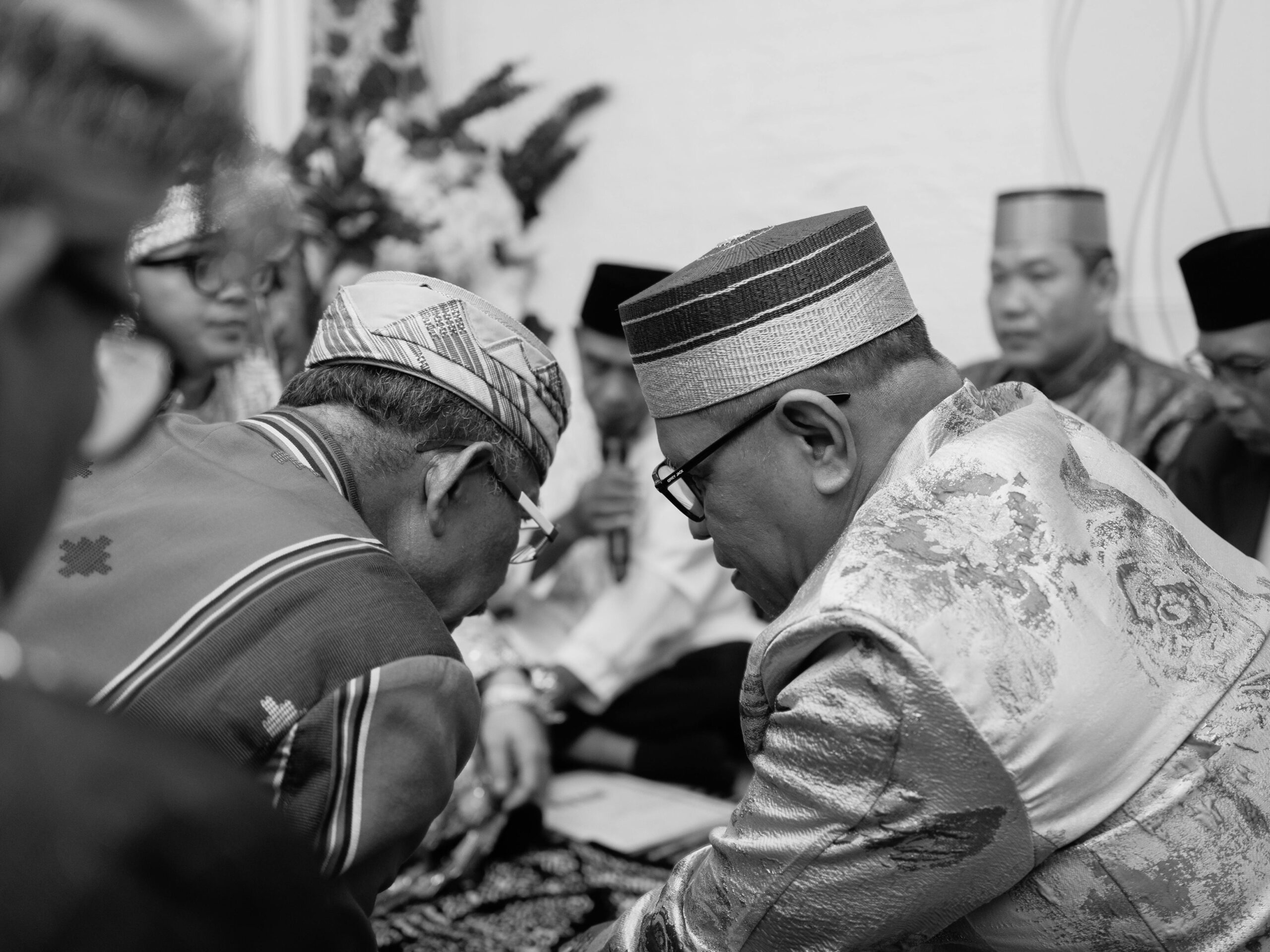
In an increasingly interconnected world, cross-cultural knowledge exchange platforms are breaking down barriers and fostering global understanding like never before.

The digital age has transformed how we connect, learn, and share wisdom across continents. What once required years of travel and immersion can now happen through a smartphone screen or laptop. Yet, the essence of cultural exchange remains unchanged: the human desire to understand, appreciate, and learn from diverse perspectives that shape our global community.
Cross-cultural knowledge exchange platforms represent more than technological innovation—they embody a philosophical shift toward collective wisdom. These digital spaces facilitate meaningful interactions between people from vastly different backgrounds, creating opportunities for mutual learning that transcend geographical, linguistic, and cultural boundaries.
🌍 The Evolution of Cultural Exchange in the Digital Era
Traditional cultural exchange programs required substantial resources, time commitments, and often privileged access. Students would spend semesters abroad, diplomats would engage in formal exchanges, and businesses would send representatives for extended periods. While valuable, these opportunities remained accessible to relatively few people.
Digital platforms have democratized this process fundamentally. Today, a farmer in rural India can share agricultural techniques with peers in Kenya, while a teacher in Brazil exchanges pedagogical approaches with colleagues in Vietnam. The barriers of distance, cost, and logistics have diminished significantly, allowing authentic cross-cultural dialogue to flourish at unprecedented scales.
This transformation isn’t merely about convenience—it represents a paradigm shift in how knowledge flows globally. Information no longer moves primarily from developed to developing nations or from academic institutions downward. Instead, we’re witnessing multidirectional knowledge streams where every participant can be both teacher and student, expert and learner.
Building Bridges Through Shared Learning Experiences
Cross-cultural knowledge exchange platforms succeed when they create genuine connections rather than superficial interactions. The most effective platforms incorporate several key elements that foster meaningful engagement and sustainable relationships between participants from different cultural backgrounds.
Structured Yet Flexible Learning Environments
Successful platforms balance structure with spontaneity. They provide frameworks that guide interactions—clear objectives, facilitated discussions, and curated content—while allowing organic conversations to emerge naturally. This balance ensures participants stay focused on learning objectives without stifling the authentic exchanges that make cultural learning valuable.
Language support features play a crucial role in these environments. Real-time translation tools, multilingual interfaces, and language exchange components help participants communicate effectively despite linguistic differences. Rather than requiring perfect English or any single language, inclusive platforms celebrate linguistic diversity while providing practical communication solutions.
Creating Safe Spaces for Vulnerable Dialogue
Cultural exchange requires vulnerability. Participants must feel safe asking questions that might seem basic, sharing perspectives that might differ from mainstream views, and admitting ignorance about other cultures without judgment. Platform design must actively cultivate psychological safety through community guidelines, moderation, and features that encourage respectful discourse.
Anonymity options can help in certain contexts, allowing individuals to explore sensitive topics without fear of social repercussion. However, verified identities and authentic profiles generally foster deeper trust and accountability. The most effective platforms offer tiered privacy controls, letting users decide their comfort level for different types of interactions.
🤝 Technology as Cultural Mediator
The technology powering these platforms does more than facilitate communication—it actively mediates cross-cultural understanding. Artificial intelligence, machine learning, and sophisticated algorithms can help bridge cultural gaps in ways previously impossible.
Smart matching systems connect individuals with complementary knowledge and learning goals. Rather than random pairings, these systems consider cultural backgrounds, professional interests, language proficiencies, and learning objectives to create productive partnerships. Over time, machine learning improves matching accuracy, leading to more satisfying exchanges for participants.
Cultural context features help users navigate potential misunderstandings before they occur. Imagine receiving gentle notifications about cultural norms, communication styles, or potential sensitivities relevant to your conversation partner’s background. These proactive tools prevent awkward situations while educating users about cultural differences organically during real interactions.
Virtual Reality and Immersive Experiences
Emerging technologies are pushing boundaries further. Virtual reality enables immersive cultural experiences—attending a traditional ceremony in Japan, exploring historical sites in Egypt, or participating in community gatherings in indigenous communities—all from remote locations. While these experiences can’t fully replicate physical presence, they offer rich sensory engagement that deepens understanding.
Augmented reality overlays cultural information onto real-world environments, creating hybrid learning experiences. A user might explore their own city while receiving information about how similar spaces function in other cultures, drawing comparisons and contrasts that illuminate both contexts simultaneously.
Knowledge Types That Travel Well Across Cultures
Not all knowledge translates equally across cultural boundaries. Some wisdom is deeply contextual, embedded in specific cultural frameworks that lose meaning when extracted. Other knowledge types transfer remarkably well, creating common ground for cross-cultural exchange.
- Practical skills and techniques: Cooking methods, craft traditions, agricultural practices, and technical skills often translate effectively across cultures with minimal adaptation.
- Problem-solving approaches: Different cultures develop unique strategies for addressing universal challenges like conflict resolution, resource management, and community organization.
- Artistic expressions: Music, visual arts, dance, and storytelling transcend linguistic barriers while offering profound insights into cultural values and perspectives.
- Professional expertise: Medical knowledge, engineering solutions, business strategies, and educational methodologies benefit enormously from cross-cultural perspectives.
- Life philosophies: Approaches to happiness, success, relationships, and meaning offer rich territory for cross-cultural exploration and personal growth.
Understanding which knowledge types travel well helps platform designers create appropriate structures for different exchange types. A cooking exchange might emphasize video demonstrations and ingredient substitution discussions, while philosophical exchanges might rely more heavily on facilitated dialogue and reflective writing.
📱 Mobile-First Approaches to Global Connection
In many developing regions, smartphones represent the primary or only internet access point. Mobile-first platform design isn’t merely about responsive layouts—it requires rethinking features, data consumption, connectivity assumptions, and user experiences for mobile contexts.
Offline functionality becomes essential. Users with intermittent connectivity need to access content, prepare contributions, and engage with materials without constant internet access. Smart synchronization ensures seamless experiences whether users are online or offline, urban or rural, on fast connections or slow networks.
Data-conscious design respects that many users pay significant portions of their income for mobile data. Compressed media, text-first options, and clear data usage information demonstrate respect for diverse economic realities. Features that work beautifully on unlimited fiber connections but consume massive data alienate large portions of potential global participants.
Bridging the Digital Divide Thoughtfully
While digital platforms expand access, they also risk creating new exclusions. Not everyone has smartphones, reliable electricity, or digital literacy. Truly inclusive cross-cultural exchange platforms acknowledge these realities and implement creative solutions.
Hybrid models combining digital and analog methods can extend reach. SMS-based participation, voice-only options, printed materials that complement digital experiences, and community access points where groups share devices all help include populations that purely digital approaches would miss.
Partnerships with libraries, community centers, schools, and NGOs create physical infrastructure supporting digital participation. A single community computer with training and facilitation can enable dozens of people to engage in cross-cultural exchange who otherwise couldn’t participate individually.
Measuring Impact Beyond Metrics
How do we measure successful cultural exchange? Traditional metrics like user numbers, engagement rates, and time spent on platform tell incomplete stories. Meaningful cross-cultural understanding develops slowly, manifests subtly, and creates impacts that ripple far beyond platform boundaries.
Qualitative assessments capture depth that numbers miss. Personal testimonials, narrative accounts of changed perspectives, documented behavioral changes, and evidence of applied learning reveal transformation that quantitative metrics overlook. A single profound cross-cultural friendship might matter more than thousands of superficial interactions.
Long-term tracking reveals sustained impacts. Following participants months or years after initial exchanges shows whether brief interactions sparked lasting change or faded quickly. Successful platforms cultivate ongoing relationships rather than one-time encounters, creating networks that persist and grow beyond the platform itself.
🌟 Real-World Applications Transforming Communities
Cross-cultural knowledge exchange platforms generate tangible benefits across multiple domains. In education, teachers worldwide collaborate on curriculum development, sharing successful approaches and adapting methods to local contexts. Students gain global perspectives that prepare them for interconnected futures while maintaining cultural rootedness.
Healthcare professionals exchange treatment protocols, traditional medicine insights, and public health strategies. A community health worker in Bangladesh might learn management techniques from a nurse in Guatemala while sharing effective approaches to maternal health that could benefit communities globally.
Entrepreneurs and small business owners access global markets and ideas without expensive consultants or international travel. A craftsperson in Morocco might learn digital marketing from a peer in Thailand while teaching traditional techniques that inspire product innovation elsewhere.
Environmental Solutions Through Cultural Wisdom
Indigenous and traditional knowledge about environmental stewardship offers crucial insights for addressing climate change and biodiversity loss. Cross-cultural platforms enable knowledge holders to share sustainable practices developed over generations—water management techniques, forest conservation approaches, and agricultural methods that work with rather than against natural systems.
Combining traditional ecological knowledge with contemporary scientific understanding creates powerful synergies. Researchers gain context and insights that laboratory work alone couldn’t provide, while communities access scientific tools that help them document, preserve, and advocate for traditional practices increasingly recognized as vital for planetary survival.
Navigating Challenges in Cross-Cultural Digital Spaces
Despite enormous potential, cross-cultural knowledge exchange platforms face significant challenges requiring thoughtful responses. Cultural misunderstandings arise easily in digital communication where tone, body language, and context disappear. What seems friendly in one culture might appear aggressive in another. Humor often fails to translate, creating confusion or offense rather than connection.
Power imbalances persist even in digital spaces. English dominance, Western technology design assumptions, and economic inequalities shape interactions in ways that can reinforce rather than challenge existing hierarchies. Conscious platform design must actively counteract these tendencies through multilingual support, diverse design teams, and features that amplify marginalized voices.
Intellectual property concerns emerge when knowledge crosses cultures. Who owns traditional recipes, medicinal knowledge, or cultural practices when shared on digital platforms? How do we honor collective ownership models from indigenous cultures within legal frameworks built around individual ownership? These questions require ongoing dialogue and creative legal solutions.
Looking Forward: The Future of Global Knowledge Sharing
Cross-cultural knowledge exchange platforms will likely become increasingly sophisticated, personalized, and integrated into daily life. Artificial intelligence will improve matching, translation, and cultural mediation while (hopefully) remaining transparent and ethical. Immersive technologies will create richer shared experiences that approximate physical presence more closely.
Decentralized platforms using blockchain technology might address ownership, attribution, and compensation challenges more fairly. Smart contracts could ensure knowledge sharers receive recognition or compensation when their contributions generate value, respecting diverse cultural concepts of knowledge ownership and exchange.
Integration with formal education systems will grow. Universities increasingly recognize the value of global perspectives, incorporating cross-cultural exchanges into curricula. Primary and secondary schools are discovering that connecting students globally enriches learning far beyond what textbooks alone achieve.

🎯 Cultivating Global Citizens Through Daily Practice
The ultimate promise of cross-cultural knowledge exchange platforms extends beyond information transfer or skill development. These platforms cultivate global citizenship—a mindset that recognizes our interdependence, values diverse perspectives, and commits to collective flourishing across differences.
Regular cross-cultural interaction builds empathy muscles. Encountering perspectives different from our own repeatedly challenges assumptions, broadens worldviews, and develops cognitive flexibility. Over time, what initially feels foreign becomes familiar, expanding our sense of “us” to encompass broader humanity.
This doesn’t mean abandoning cultural identity or embracing a homogenized global culture. Rather, it means holding multiple cultural frameworks simultaneously, appreciating particularities while recognizing commonalities, and navigating complexity with curiosity rather than fear. Cross-cultural competence becomes a fundamental literacy for the 21st century.
The path toward genuine cross-cultural understanding requires patience, humility, and sustained commitment. Technology alone cannot bridge divides built over centuries—but thoughtfully designed platforms supporting authentic human connection can accelerate progress significantly. Every meaningful exchange plants seeds that may flower in unexpected ways, gradually transforming both individuals and the collective fabric connecting us all.
As we continue developing and refining these platforms, we must remain focused on their fundamental purpose: uniting humanity through shared wisdom. The technical features matter less than the human connections they enable. The most sophisticated algorithm pales compared to the simple power of two people from different worlds genuinely hearing each other, learning together, and discovering shared humanity beneath surface differences.
In this journey toward interconnected wisdom, we’re all both teachers and students, experts and novices, hosts and guests. Cross-cultural knowledge exchange platforms simply provide the space where these encounters can happen—but the real magic emerges from human curiosity, openness, and the timeless desire to understand and be understood across all that divides us.