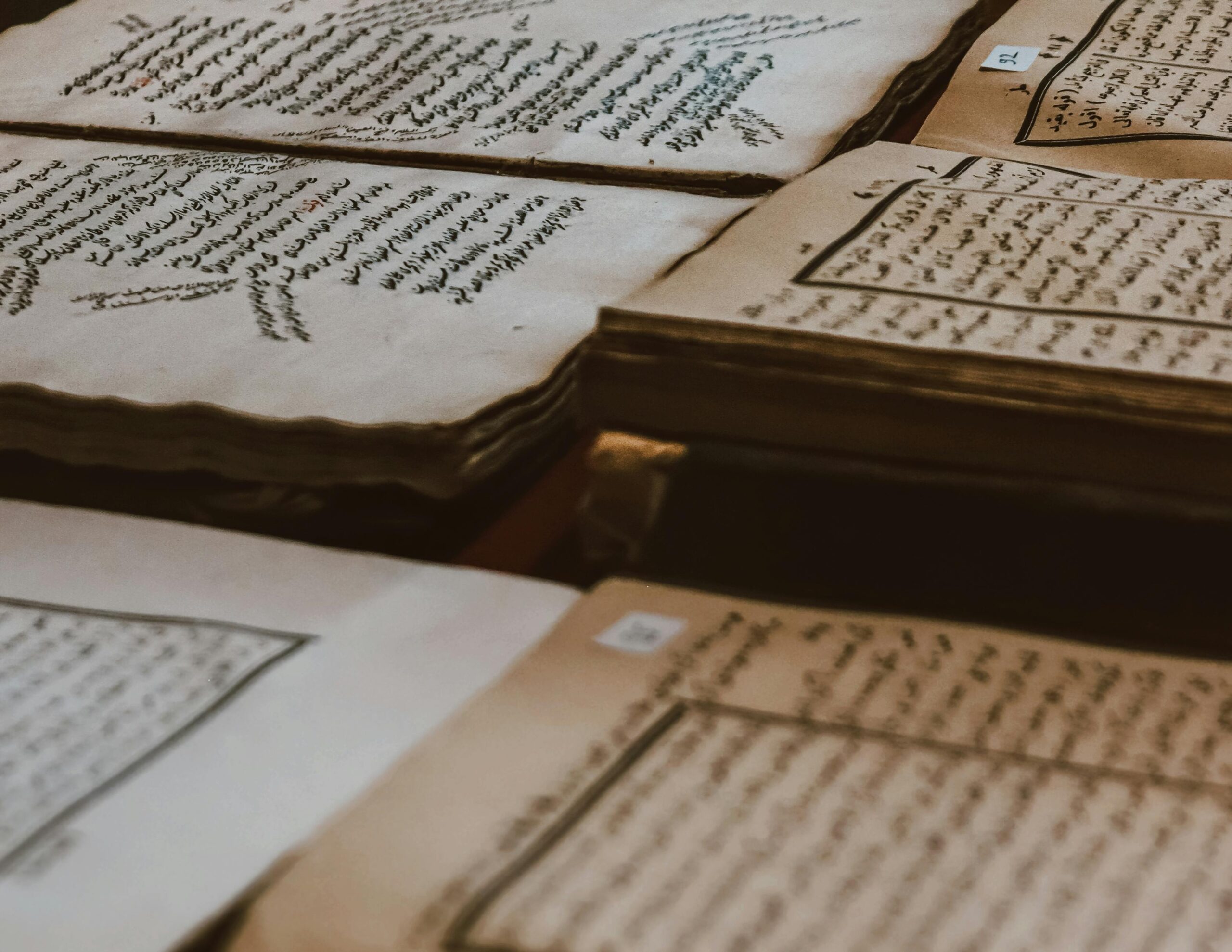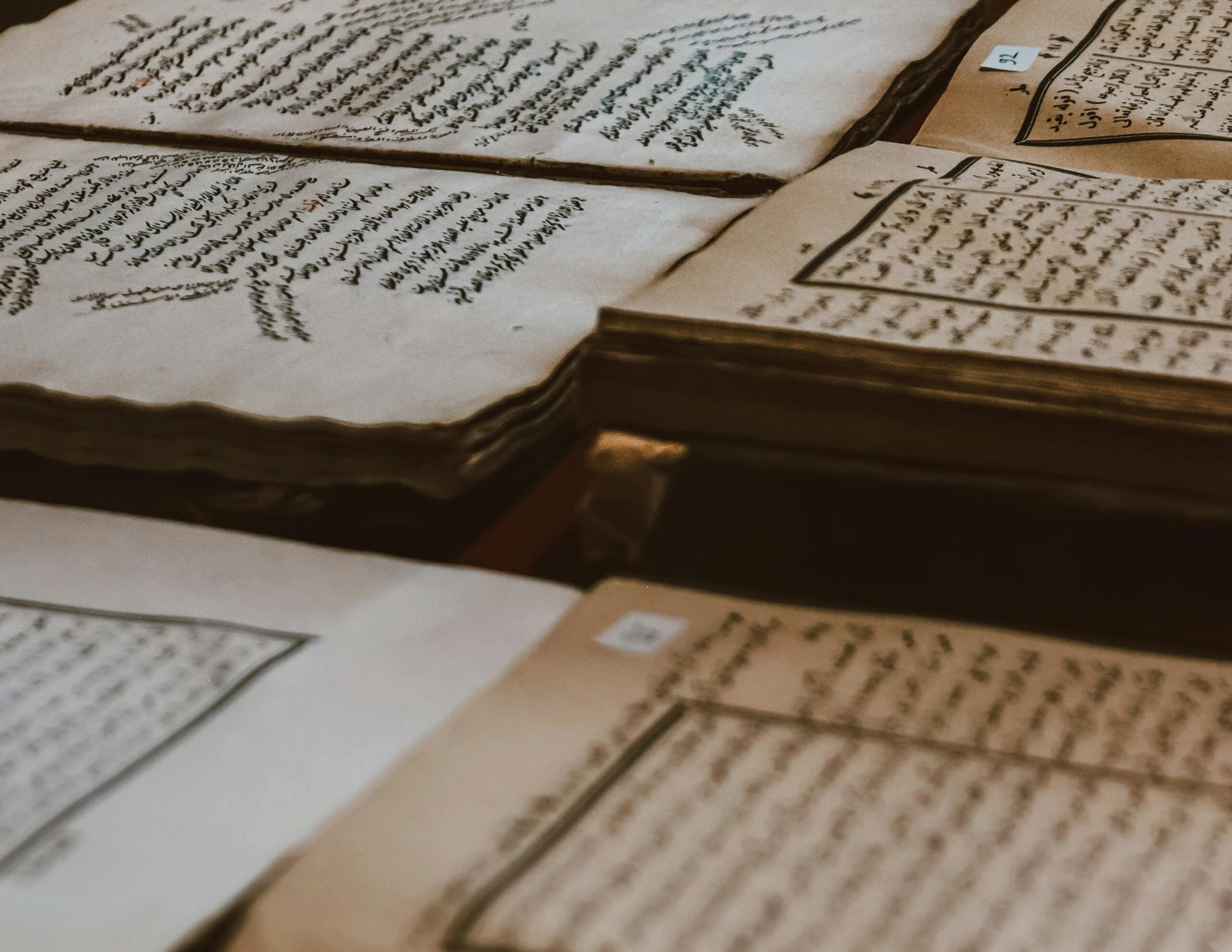
Cultural continuity shapes societies, preserves identities, and connects generations through shared traditions, values, and practices that withstand the test of time.

In an era of rapid globalization and technological transformation, the concept of cultural continuity has never been more relevant or more threatened. Communities worldwide grapple with preserving their heritage while adapting to modern realities. Understanding how cultures maintain their core essence across generations offers invaluable insights into human resilience, identity formation, and social cohesion.
This exploration delves into compelling case studies that demonstrate the multifaceted nature of cultural continuity, examining both successes and challenges faced by different communities in their efforts to preserve what makes them unique. Through these real-world examples, we’ll uncover the mechanisms that enable cultures to thrive, evolve, and maintain relevance in changing landscapes.
🌍 Understanding Cultural Continuity in Modern Contexts
Cultural continuity refers to the transmission of knowledge, traditions, practices, and values from one generation to the next. It’s not about freezing culture in time but rather maintaining essential characteristics while allowing natural evolution. This dynamic process ensures that communities retain their distinctive identity even as they navigate contemporary challenges.
The importance of cultural continuity extends beyond nostalgia or tradition for tradition’s sake. Research consistently shows that strong cultural connections correlate with improved mental health outcomes, enhanced community cohesion, and greater resilience during times of crisis. Indigenous communities, immigrant populations, and minority groups particularly benefit from maintaining cultural continuity as it provides anchoring in often disorienting environments.
However, maintaining cultural continuity in the 21st century presents unique challenges. Digital transformation, urbanization, climate change, and economic pressures all threaten traditional ways of life. Yet these same forces also offer new tools and platforms for cultural preservation and transmission.
📚 The Māori Language Revival: A Triumph of Intentional Continuity
Perhaps one of the most remarkable examples of cultural continuity in recent history comes from New Zealand’s Māori community. By the 1980s, the Māori language (te reo Māori) faced imminent extinction, with less than 20% of Māori people able to speak their ancestral tongue. Today, it stands as an official language of New Zealand, spoken in parliament, taught in schools, and increasingly present in mainstream media.
This transformation didn’t happen accidentally. The Māori community, supported by progressive government policies, implemented a comprehensive strategy that included:
- Establishment of kōhanga reo (language nest preschools) where children learn exclusively in Māori
- Creation of Māori-language television and radio stations
- Integration of te reo Māori into the national education curriculum
- Official recognition and protection under the Māori Language Act
- Digital resources and apps making language learning accessible to younger generations
The success of this initiative demonstrates that cultural continuity requires active intervention, community commitment, and institutional support. The Māori case shows that even severely endangered cultural elements can be revitalized when stakeholders prioritize preservation with appropriate resources and political will.
Key Lessons from the Māori Experience
The Māori language revival offers several critical insights applicable to other communities facing similar challenges. First, early childhood intervention proves most effective—children who grow up in bilingual environments naturally carry language forward. Second, cultural continuity requires visibility in public spaces and media, not just private practice. Third, technology can serve cultural preservation when thoughtfully deployed.
🎭 Japanese Tea Ceremony: Continuity Through Ritualized Practice
The Japanese tea ceremony (sadō or chadō) exemplifies cultural continuity maintained through rigorous practice and transmission of specialized knowledge. Dating back to the 9th century, this ritualized preparation and presentation of matcha has survived centuries of political upheaval, modernization, and social transformation.
What makes the tea ceremony particularly instructive is its embedded pedagogy. Students learn not through theoretical instruction but through repeated practice under the guidance of masters who themselves learned the same way. This pedagogical approach, known as kata in Japanese culture, creates unbroken chains of transmission extending back centuries.
The tea ceremony’s survival strategy includes several elements worth examining. It has maintained strict standards while remaining relevant to contemporary practitioners. Tea schools have adapted to modern schedules, offering classes that fit urban lifestyles. Simultaneously, they’ve preserved the essential philosophy of mindfulness, respect, and aesthetic appreciation that gives the practice meaning beyond mere ritual.
Adaptation Without Dilution
The tea ceremony demonstrates that cultural continuity doesn’t require rigid preservation. Modern tea practitioners use electric kettles alongside traditional braziers, practice in contemporary spaces as well as traditional tea houses, and incorporate global participants into what was once an exclusively Japanese practice. Yet the ceremony’s essence—its emphasis on present-moment awareness, hospitality, and aesthetic refinement—remains intact.
🏘️ Diaspora Communities: Navigating Multiple Cultural Worlds
Immigrant and diaspora communities provide fascinating laboratories for studying cultural continuity under conditions of geographic displacement. These communities must maintain cultural connections without the supportive infrastructure of their homeland, often in environments that pressure assimilation.
The Vietnamese diaspora following the Vietnam War offers particularly instructive examples. Vietnamese communities worldwide have maintained cultural continuity through several strategies:
- Establishment of Buddhist temples and community centers serving as cultural hubs
- Creation of Vietnamese-language schools operating on weekends
- Celebration of traditional festivals like Tết (Lunar New Year) with community-wide participation
- Maintenance of culinary traditions through restaurants and family practices
- Development of media in Vietnamese language for diaspora audiences
Research on second and third-generation Vietnamese immigrants reveals complex negotiations of identity. Many describe feeling “between worlds,” neither fully Vietnamese nor fully assimilated into their host countries. Yet this liminal space often produces creative cultural synthesis rather than simple loss.
The Digital Dimension of Diaspora Continuity
Technology has transformed diaspora cultural continuity in profound ways. Social media platforms enable real-time connection with homeland events and culture. Streaming services provide access to music, films, and television from countries of origin. Video calling allows grandparents to transmit language and stories across continents. These digital tools complement traditional face-to-face transmission, creating hybrid models of cultural maintenance.
🎵 Hip-Hop Culture: Creating New Continuities
Not all cultural continuity involves ancient traditions. Hip-hop culture, emerging from the Bronx in the 1970s, demonstrates how new cultural forms can establish their own continuities. Now spanning five decades and present globally, hip-hop has developed distinct traditions of knowledge transmission, aesthetic standards, and value systems.
Hip-hop’s continuity mechanisms include the concept of “keeping it real,” which emphasizes authenticity and connection to roots. Younger artists learn from predecessors through sampling, collaboration, and explicit homage. The culture maintains oral history traditions through storytelling in lyrics and interviews. Battles and cyphers serve as spaces where skills are tested and legitimacy established.
This case study reveals that cultural continuity isn’t exclusively about preserving the past—it’s also about creating frameworks for ongoing cultural production that maintains connection to foundational values and practices. Hip-hop has evolved dramatically while retaining core elements that make it recognizable and coherent as a cultural form.
🌾 Indigenous Agricultural Knowledge: Continuity in Crisis
Indigenous agricultural practices represent some of the most threatened yet valuable forms of cultural continuity. Communities worldwide possess generations of accumulated knowledge about sustainable land management, crop diversity, and ecological stewardship—knowledge increasingly recognized as crucial for addressing climate change.
The case of traditional rice farming in Bali illustrates both the fragility and resilience of such knowledge systems. Balinese rice cultivation centers on the subak system, a cooperative water management approach governed by Hindu philosophy and coordinated through water temples. This system, recognized by UNESCO as a World Heritage site, faced near-destruction during the Green Revolution of the 1970s and 1980s.
Government programs promoted modern agricultural methods that disrupted traditional planting cycles and water-sharing practices. Pest infestations and harvest failures eventually led to a return to traditional methods, demonstrating that indigenous knowledge systems often embody sophisticated understanding developed over centuries of observation.
Challenges Facing Agricultural Continuity
Traditional agricultural knowledge faces multiple threats: young people pursuing urban opportunities, climate change disrupting established patterns, market pressures favoring industrial agriculture, and simple attrition as elderly knowledge-keepers pass away. Successful preservation requires documentation, but also continued practice—agricultural knowledge is embodied and contextual, difficult to capture in written form alone.
🎨 Cultural Continuity in the Digital Age
Digital technology presents paradoxical implications for cultural continuity. On one hand, it threatens traditional cultures by facilitating global homogenization and distracting younger generations from heritage practices. On the other, it offers unprecedented tools for preservation, education, and connection.
Several innovative approaches demonstrate technology’s potential for supporting cultural continuity. Virtual reality experiences can document and share ceremonial practices. Language-learning apps make indigenous and minority languages accessible. Social media platforms enable diaspora communities to maintain connections. Digital archives preserve endangered cultural materials.
Indigenous communities in Canada have pioneered digital storytelling projects that allow elders to share traditional knowledge in formats accessible to youth. These projects combine traditional narratives with contemporary media, creating bridges between generations who might otherwise struggle to connect.
💡 Strategies for Supporting Cultural Continuity
Analyzing successful case studies reveals common strategies communities employ to maintain cultural continuity. Understanding these patterns can inform efforts to support endangered cultural practices worldwide.
First, intergenerational transmission programs prove essential. Whether through formal education systems, apprenticeship models, or family-based teaching, creating structured opportunities for knowledge transfer increases continuity likelihood. The most effective programs recognize that cultural knowledge isn’t merely informational but embodied and experiential.
Second, cultural visibility in public spaces matters enormously. When cultural practices appear in media, government institutions, and civic life, they gain legitimacy and relevance for younger generations. Conversely, cultures relegated to private or marginalized spaces struggle to maintain continuity across generations.
Third, documentation and archiving serve important functions while recognizing their limitations. Written records, audio recordings, and video documentation preserve knowledge that might otherwise disappear. However, these archives complement rather than replace living practice. Cultural knowledge fully lives only in active transmission and performance.
The Role of Policy and Institutional Support
Government policies significantly impact cultural continuity. Legal recognition of cultural rights, funding for cultural programs, inclusion in education systems, and protection of cultural intellectual property all influence whether traditions survive. The Māori language revival and the protection of Balinese subak systems both involved crucial policy interventions.
🔄 The Dynamic Nature of Cultural Continuity
A crucial insight emerging from these case studies is that cultural continuity is inherently dynamic, not static. Cultures that survive do so by adapting while maintaining core identity elements. This adaptability distinguishes living cultures from museum artifacts.
Japanese tea ceremony practitioners use modern appliances; hip-hop artists employ cutting-edge technology; diaspora communities create fusion cultural forms; indigenous knowledge-keepers find new applications for traditional wisdom. This evolution doesn’t represent corruption of authentic culture but rather the continuation of cultures as living, breathing systems that have always changed in response to circumstances.
The challenge lies in determining which elements constitute essential identity versus which are historically contingent expressions. This discernment requires deep cultural knowledge and often generates internal community debate. What outsiders might view as decline, insiders might see as necessary adaptation, and vice versa.
🌟 The Future of Cultural Continuity
Looking forward, cultural continuity faces both unprecedented threats and opportunities. Climate change, economic pressures, political instability, and technological disruption challenge traditional ways of life globally. Yet growing recognition of cultural diversity’s value, new technologies for preservation and transmission, and increased connectivity offer hopeful possibilities.
The most successful approaches to cultural continuity likely involve hybrid strategies—combining traditional transmission methods with contemporary tools, maintaining core values while adapting practices, and creating spaces where multiple generations can engage with heritage in personally meaningful ways.
Young people will play crucial roles in determining which cultural elements continue. Rather than pressuring youth to preserve cultures exactly as previous generations knew them, effective continuity strategies empower younger generations to engage creatively with their heritage, finding contemporary expressions of enduring values and wisdom.
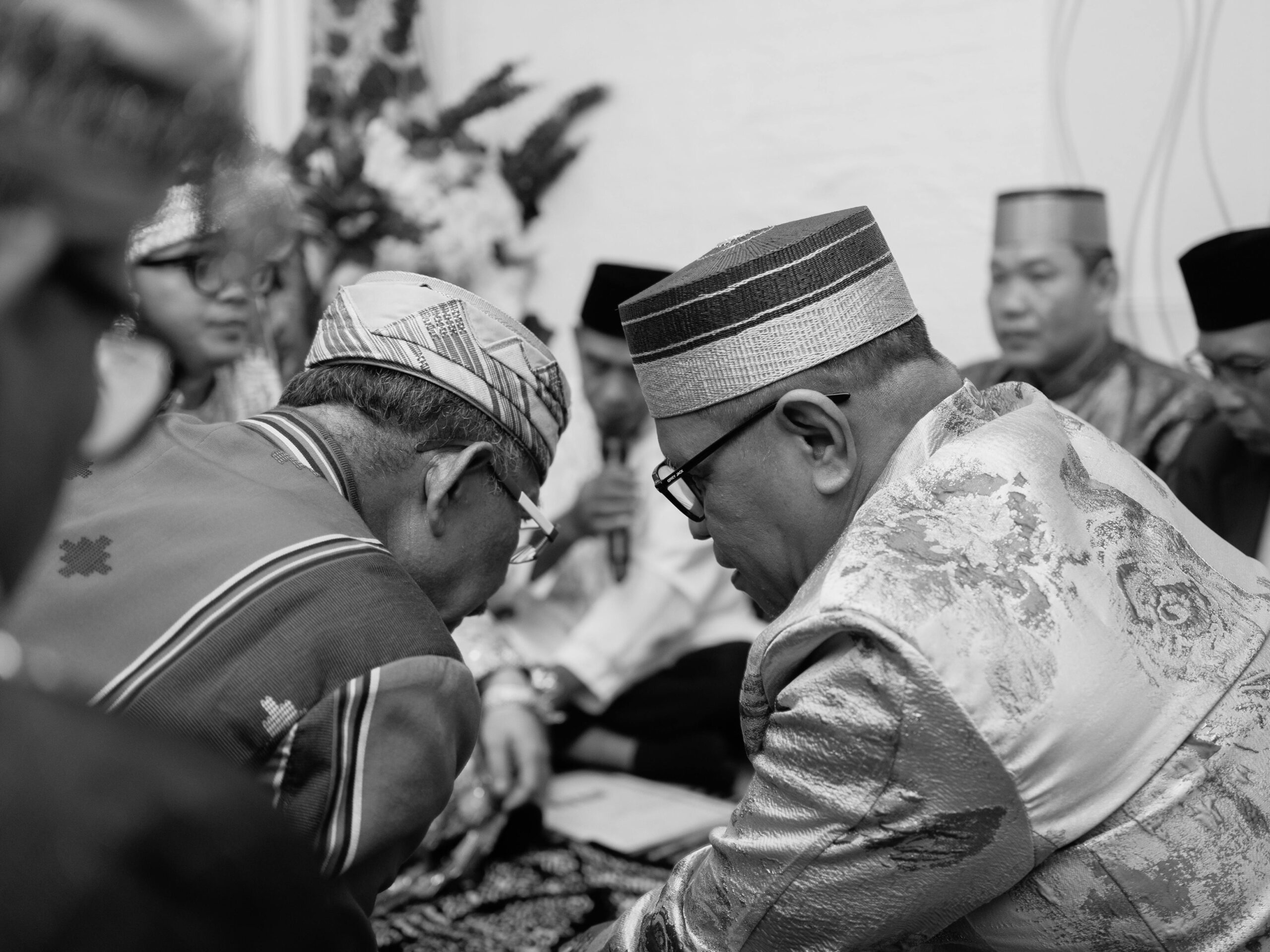
Weaving Past and Future Together 🧵
The case studies examined here reveal that cultural continuity is neither automatic nor impossible. It requires conscious effort, community commitment, institutional support, and creative adaptation. Cultures die when communities lack resources or will to maintain them, but they flourish when given appropriate support and allowed to evolve organically.
Understanding cultural continuity matters not just for preserving the past but for building sustainable futures. Traditional knowledge systems offer wisdom about living in balance with environment and community. Cultural diversity provides the social equivalent of biodiversity—varied approaches to human challenges that collectively increase our species’ adaptability.
As global challenges mount, the insights embedded in diverse cultural traditions become increasingly valuable. Supporting cultural continuity isn’t nostalgic preservation but practical investment in human knowledge, resilience, and creativity. The communities successfully maintaining cultural continuity teach lessons applicable far beyond their specific contexts—lessons about adaptation, identity, transmission, and what ultimately makes human life meaningful.
Whether through language revitalization programs, traditional practice communities, diaspora networks, or innovative cultural movements, the work of cultural continuity continues worldwide. These efforts represent not resistance to change but insistence that change need not mean loss of identity, that progress can incorporate wisdom of the past, and that humanity’s rich cultural diversity constitutes a treasure worth protecting for generations to come.