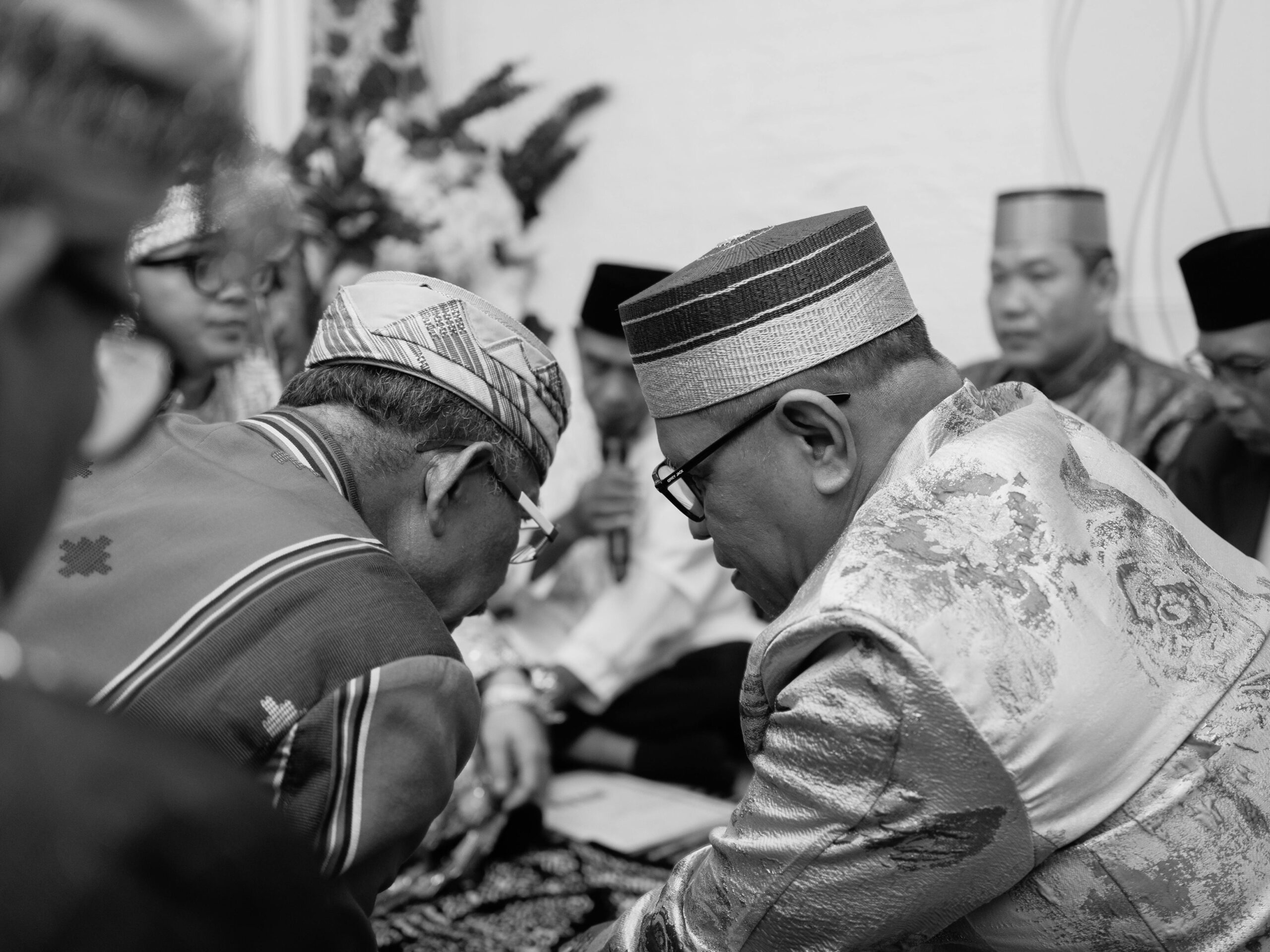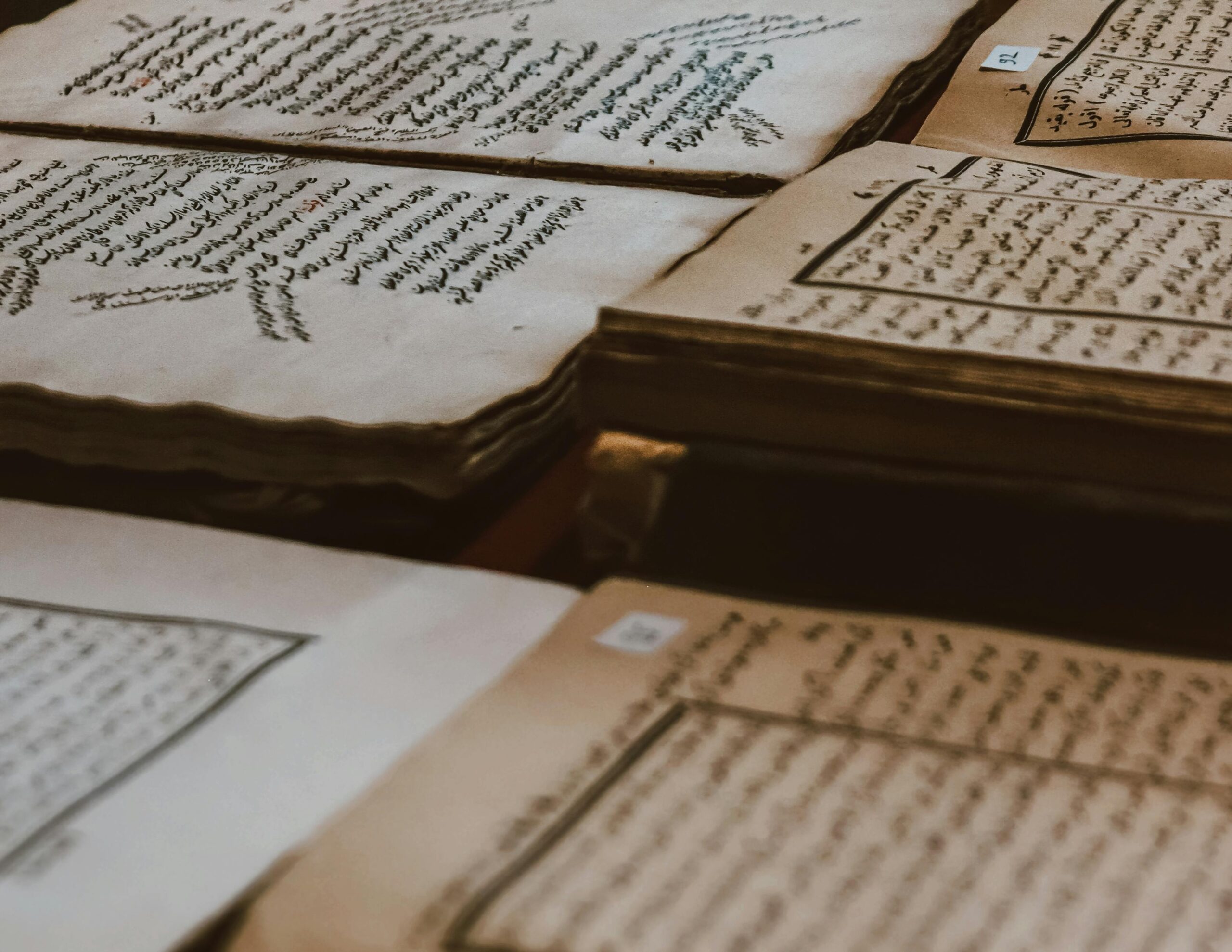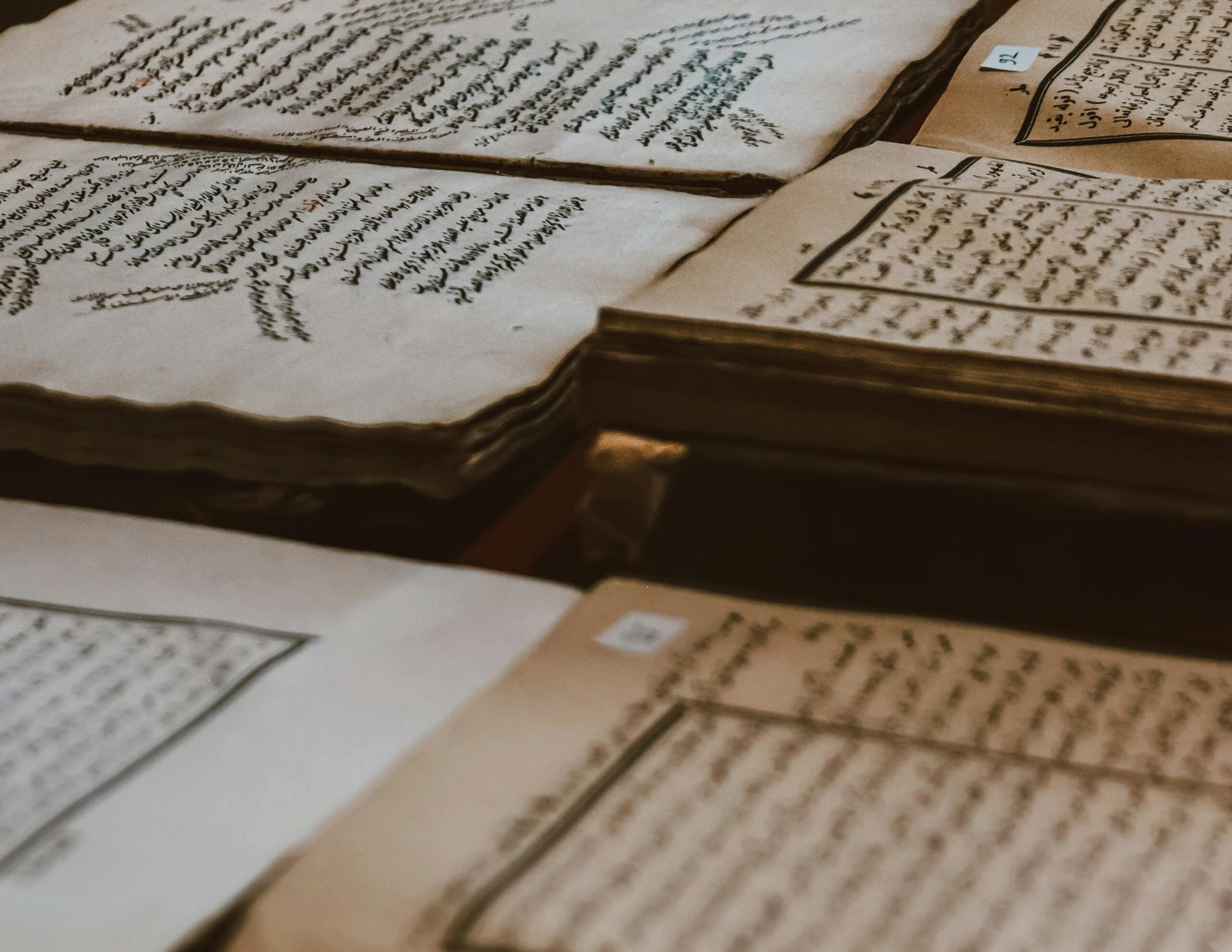
In an increasingly digital world, tradition sharing platforms are revolutionizing how we preserve, celebrate, and transmit cultural heritage across generations and borders. 🌍

The fabric of human civilization has always been woven with threads of tradition, stories passed down through generations, rituals that bind communities, and cultural practices that define our collective identity. Yet in our fast-paced modern world, these precious connections risk fading into obscurity. Fortunately, technology has emerged as an unexpected ally in preserving what makes us uniquely human—our traditions, our stories, and our cultural heritage.
Collaboration platforms dedicated to cultural connection are transforming how we engage with tradition. These digital spaces create bridges between past and present, between elders and youth, between distant communities sharing similar roots. They’re not just repositories of information; they’re living, breathing ecosystems where culture evolves while maintaining its essential character.
The Digital Renaissance of Cultural Heritage 🎨
We stand at a remarkable intersection of tradition and innovation. Where once cultural transmission relied solely on physical presence and oral tradition, today’s collaboration platforms enable unprecedented access to cultural knowledge. This democratization of heritage doesn’t diminish tradition’s value—it amplifies it, reaching audiences who might never have encountered these practices otherwise.
Digital platforms for tradition sharing serve multiple crucial functions. They document endangered practices before they disappear, create communities around shared cultural interests, facilitate intergenerational dialogue, and enable collaborative creativity that respects traditional foundations while encouraging contemporary expression.
Consider the grandmother in rural Italy teaching her granddaughter in New York how to prepare ancestral recipes through video calls, or the indigenous communities using mobile apps to preserve endangered languages. These aren’t replacements for in-person transmission—they’re complementary tools that strengthen cultural continuity in circumstances where traditional methods alone might fail.
Why Traditional Knowledge Needs Modern Platforms
The urgency of cultural preservation cannot be overstated. UNESCO estimates that one language disappears every two weeks, taking with it entire universes of traditional knowledge, stories, and cultural practices. Each lost tradition represents irreplaceable human wisdom accumulated over generations.
Modern collaboration platforms address several critical challenges facing tradition bearers. Geographic dispersion of community members, generational gaps in cultural engagement, lack of accessible documentation resources, and limited opportunities for collaborative learning all threaten cultural continuity. Digital platforms provide solutions that are scalable, accessible, and adaptable to diverse cultural contexts.
Essential Features of Effective Cultural Collaboration Platforms 💡
Not all digital platforms are created equal when it comes to supporting meaningful cultural connection. The most effective tradition sharing platforms incorporate specific features designed to honor the unique requirements of cultural transmission while leveraging technological capabilities.
Multimedia documentation capabilities stand paramount. Culture expresses itself through sight, sound, movement, taste, and touch. Platforms must support rich media—high-quality video, audio recordings, photographs, and even emerging technologies like 3D models and virtual reality experiences. This multisensory approach captures cultural practices in their full complexity.
Community-building features prove equally essential. Cultural transmission isn’t merely information transfer; it’s relationship-based learning embedded in community context. Effective platforms facilitate discussion forums, mentorship connections, collaborative projects, and virtual gatherings that replicate the communal nature of traditional cultural spaces.
Privacy and Cultural Sensitivity Considerations
Respect for cultural protocols must be built into platform architecture. Many traditions involve sacred knowledge with restrictions on who may access, practice, or share certain information. Sophisticated permission systems, content warnings, and community governance structures ensure platforms honor these vital boundaries.
Indigenous communities particularly emphasize data sovereignty—the principle that communities should control their own cultural information. Leading platforms incorporate these values, giving communities ownership over their content, control over access, and decision-making authority regarding how their traditions are represented and shared.
Creativity Flourishes at the Intersection of Tradition and Innovation 🎭
Far from being static repositories, the best tradition sharing platforms become incubators for cultural creativity. When people engage deeply with their heritage, they don’t simply replicate it—they interpret, adapt, and innovate while maintaining connection to foundational principles.
This dynamic relationship between preservation and innovation has always characterized living traditions. Traditional music evolves as new instruments become available. Culinary traditions adapt to new ingredients and dietary understanding. Craft techniques incorporate contemporary materials. Collaboration platforms accelerate this natural evolution by connecting tradition bearers with broader audiences, diverse perspectives, and new creative possibilities.
Young people especially benefit from platforms that position tradition as a foundation for creativity rather than a constraint. When teenagers discover their cultural heritage through engaging digital experiences, they’re more likely to see tradition as relevant, personally meaningful, and worth transmitting to future generations.
Case Studies in Digital Cultural Connection
Real-world examples illuminate how collaboration platforms successfully bridge cultural divides and strengthen tradition. Consider how quilting communities use Instagram and Pinterest to share centuries-old patterns while inspiring contemporary interpretations. Traditional quilting techniques merge with modern design sensibilities, creating work that honors heritage while speaking to current aesthetics.
Language revitalization efforts demonstrate particularly powerful platform applications. Hawaiian language learning communities use social media groups to practice conversation, share resources, and organize immersion events. What began as isolated learners has become a vibrant movement contributing to language resurgence.
Culinary traditions thrive on video platforms where home cooks share family recipes, techniques passed down through generations, and the stories that give food its cultural meaning. These aren’t professional cooking shows—they’re intimate glimpses into kitchen tables where tradition lives, adapted for digital sharing.
Building Your Cultural Collaboration Strategy 📱
Organizations, communities, and individuals seeking to leverage platforms for tradition sharing should approach the effort strategically. Success requires more than simply creating accounts—it demands thoughtful planning aligned with cultural values and community needs.
Begin with clear objectives. Are you primarily documenting endangered practices? Building diaspora connections? Engaging youth? Supporting economic opportunities for traditional artists? Different goals suggest different platform choices and content strategies.
Identify your community’s existing digital literacy and access. Platforms must be accessible to your tradition bearers, whether they’re tech-savvy teenagers or elders with limited digital experience. Sometimes this means choosing simpler platforms or providing training and support.
Content Creation Best Practices
Quality matters more than quantity in cultural content. A single well-documented traditional practice—with clear video, thorough explanation, cultural context, and community voices—provides more value than dozens of superficial posts.
Authenticity resonates powerfully in digital spaces saturated with manufactured content. Share real stories from actual practitioners. Show the learning process, including mistakes and challenges. Discuss why traditions matter to living communities, not just what they involve. This genuine approach builds trust and engagement.
Consistency helps build audience and habit. Regular content—whether weekly cooking demonstrations, monthly craft tutorials, or daily language lessons—creates rhythms that support learning and community formation. Collaboration platforms reward steady presence over sporadic bursts of activity.
Overcoming Common Challenges in Digital Tradition Sharing 🚀
Even well-planned cultural collaboration initiatives encounter obstacles. Anticipating common challenges enables proactive solutions that keep projects on track.
Technology barriers affect many traditional knowledge keepers. The solution isn’t abandoning digital platforms but creating support systems. Pair tech-savvy youth with elder tradition bearers. Organize training workshops. Create simple, documented processes. Many communities find that addressing technology gaps strengthens intergenerational relationships while achieving digital goals.
Sustainability concerns plague cultural projects dependent on volunteer effort. Building sustainable models might involve diversifying participation so no single person bears excessive burden, seeking grants specifically supporting cultural preservation, creating membership or merchandise revenue streams, and connecting with academic institutions interested in partnership.
Maintaining Cultural Integrity in Digital Spaces
Digital platforms can distort cultural practices through decontextualization, oversimplification, or appropriation. Maintaining integrity requires vigilance and clear boundaries. Always provide cultural context explaining why practices matter, who traditionally performs them, and proper protocols for respectful engagement.
Address appropriation directly. Many traditions face exploitation where outsiders extract cultural elements for profit without community permission or benefit. Strong community control over content, clear statements about appropriate use, and sometimes legal protections help safeguard traditions from misuse.
The Future of Cultural Connection: Emerging Technologies and Possibilities 🔮
As technology evolves, so do possibilities for tradition sharing and cultural collaboration. Emerging tools promise even richer, more immersive ways to experience and transmit cultural heritage.
Virtual and augmented reality technologies enable experiential learning impossible through text or even video. Imagine virtually attending a traditional ceremony, walking through a historically accurate village, or practicing craft techniques with holographic guidance from master practitioners. These technologies are transitioning from experimental to accessible.
Artificial intelligence offers controversial but potentially valuable applications. AI could help restore damaged historical recordings, translate endangered languages, or identify patterns in traditional designs. However, these applications require careful ethical oversight to ensure technology serves rather than supplants human cultural transmission.
Blockchain technology interests communities concerned with authenticity and provenance. Digital certificates could verify traditionally-made items, combating counterfeits while ensuring makers receive fair compensation. Cultural knowledge could be time-stamped and permanently attributed to source communities.
Balancing Innovation with Tradition
Not every technological innovation serves cultural goals. The measure of any platform or tool should be whether it strengthens cultural transmission, respects community values, and supports tradition bearers. Technology must remain a means rather than an end, always subordinate to cultural priorities rather than dictating them.
Communities should adopt new technologies selectively and thoughtfully, always asking how innovations align with cultural values. The goal isn’t to be cutting-edge but to be effective in maintaining cultural continuity while adapting to contemporary circumstances.
Taking Action: Your Next Steps in Cultural Collaboration 🌟
Understanding the power of tradition sharing platforms means little without action. Whether you’re an individual wanting to explore your heritage, an organization supporting cultural communities, or a tradition bearer seeking to share your knowledge, practical steps can begin today.
Start by exploring existing platforms and communities related to your cultural interests. Join conversations, learn from established initiatives, and identify gaps your unique perspective might fill. You’ll discover vibrant communities already engaged in cultural collaboration, often welcoming new participants.
Document your own cultural knowledge and practices. Even simple smartphone recordings of family traditions create valuable archives. As you become comfortable, share selected content on appropriate platforms. Your contributions add to the collective tapestry of human cultural heritage.
Connect with others in your cultural community about collaborative opportunities. Perhaps family members scattered globally would value a shared digital space for cultural connection. Maybe local cultural organizations need help reaching younger audiences through digital platforms. Collaboration multiplies individual efforts into community impact.
Resources for Getting Started
Numerous resources support cultural collaboration efforts. UNESCO’s digital heritage initiatives provide frameworks and best practices. University programs in cultural preservation often welcome community partnerships. Funding opportunities exist specifically for cultural documentation and revitalization projects.
Technology companies increasingly recognize their role in supporting cultural preservation. Many offer free or discounted services for nonprofit cultural organizations. Don’t hesitate to reach out—you may find surprising support for your cultural collaboration goals.
Cultivating Cultural Futures Through Digital Connection 🌱
The convergence of tradition and technology isn’t without tension, but it offers unprecedented opportunities for cultural continuity and creativity. Collaboration platforms enable connections that transcend geography, bridge generations, and strengthen cultural communities facing modern dispersal and disruption.
Success in digital tradition sharing requires more than technological skill—it demands cultural sensitivity, community accountability, and commitment to authentic representation. When done well, these platforms don’t replace traditional cultural transmission but complement and strengthen it, creating multiple pathways for heritage to reach new generations.
The traditions we inherit represent humanity’s accumulated wisdom, beauty, and diversity. They remind us of who we are, where we come from, and what connects us across apparent differences. In preserving and sharing these traditions through collaborative digital platforms, we don’t merely look backward—we ensure cultural richness flows forward into futures that honor the past while embracing possibility.
Every recipe shared, language lesson posted, craft technique demonstrated, or story told contributes to cultural continuity. Your participation matters. The traditions you carry deserve transmission. The platforms exist. The global community awaits connection. The question isn’t whether digital collaboration can support cultural heritage—it’s how you’ll contribute to this vital work.
Embrace the power of tradition sharing platforms not as a replacement for living culture but as tools amplifying it. Through thoughtful, respectful, community-centered collaboration, we can ensure that the traditions defining human diversity don’t merely survive but thrive, evolving while maintaining their essential character for generations yet to come.