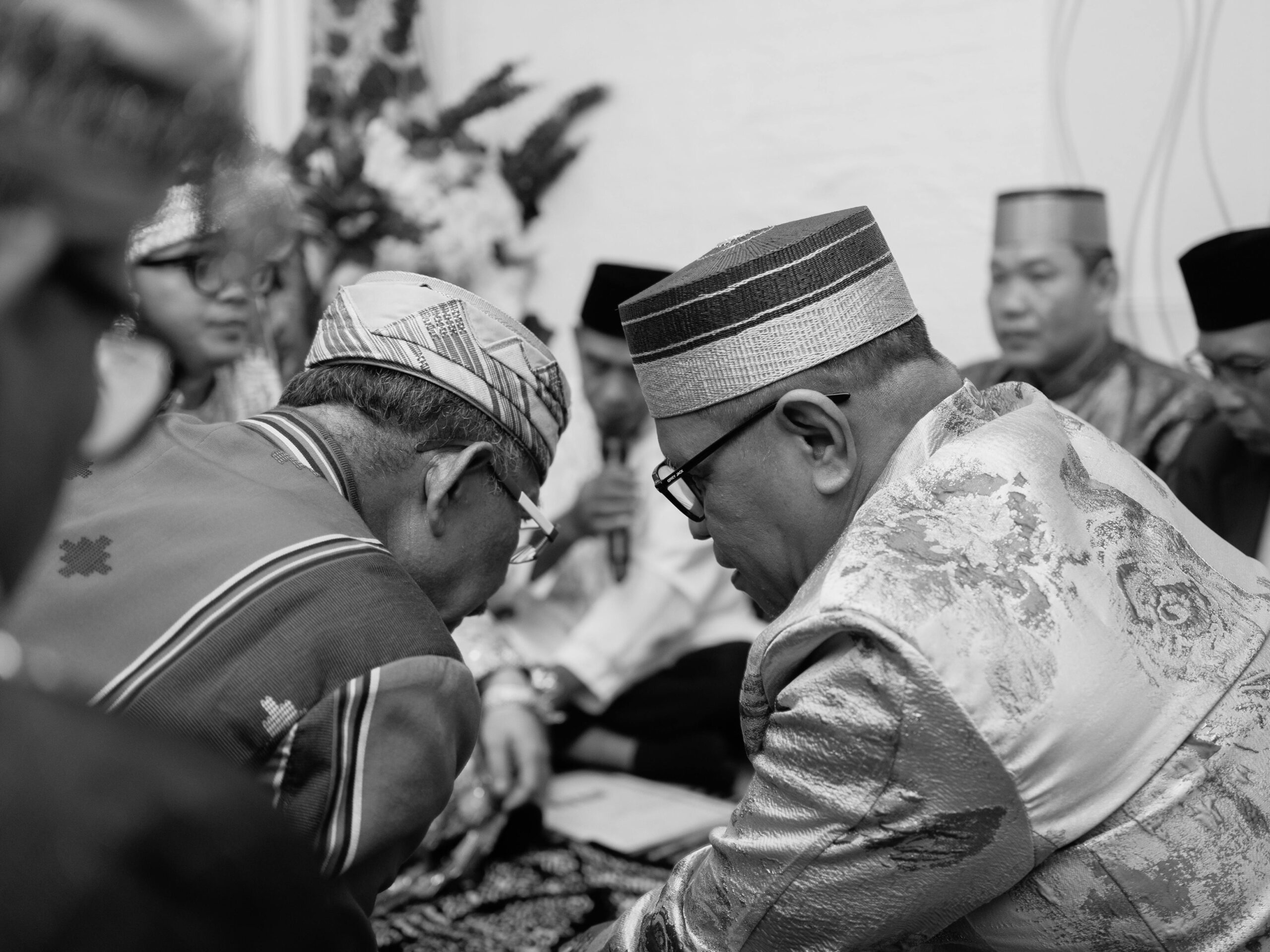
Indigenous communities worldwide continue to rise, reclaiming their narratives and demanding recognition of their fundamental rights through powerful social movements that challenge centuries of oppression.

🌍 The Historical Context of Indigenous Struggles
For generations, Indigenous peoples have faced systematic marginalization, dispossession of ancestral lands, and the erasure of their cultural identities. From the colonization of the Americas to the forced assimilation policies in Australia and Canada, the historical trauma experienced by Indigenous communities has been profound and lasting. Yet despite these adversities, Indigenous voices have never been silenced completely.
The modern Indigenous rights movement emerged from a long history of resistance. While colonizers attempted to suppress Indigenous languages, spiritual practices, and governance systems, communities found ways to preserve their heritage. Elders passed down oral histories, traditional knowledge systems survived through practice, and cultural ceremonies continued in secret when necessary.
Understanding this historical context is essential for appreciating the contemporary Indigenous rights movement. Today’s activists stand on the shoulders of countless ancestors who resisted, survived, and maintained their cultural integrity against overwhelming odds. This legacy of resilience fuels current efforts to secure justice and recognition.
📢 Amplifying Indigenous Voices in Contemporary Movements
The digital age has transformed how Indigenous communities organize and communicate their struggles. Social media platforms have become powerful tools for amplifying Indigenous voices, allowing communities to bypass traditional media gatekeepers who often ignored or misrepresented their stories. Activists now share real-time updates about land rights violations, environmental threats, and cultural preservation efforts with global audiences.
Indigenous-led social movements have gained unprecedented visibility through strategic use of digital platforms. Hashtags like #LandBack, #MMIW (Missing and Murdered Indigenous Women), and #ProtectIndigenousLand have mobilized supporters worldwide. These campaigns combine traditional forms of protest with modern communication strategies, creating hybrid movements that honor ancestral wisdom while embracing contemporary tools.
Youth leadership has emerged as a defining characteristic of modern Indigenous activism. Young Indigenous people are connecting across borders, sharing strategies, and building solidarity networks that transcend national boundaries. They bring fresh perspectives while remaining grounded in traditional values and teachings from their communities.
Building Coalitions and Cross-Cultural Solidarity
Successful Indigenous movements recognize the importance of building alliances with other marginalized groups and supportive non-Indigenous allies. Environmental justice movements, in particular, have found common ground with Indigenous activists, as both recognize the interconnection between human rights and ecological preservation.
These coalitions strengthen collective power while respecting Indigenous leadership and sovereignty. Non-Indigenous allies play crucial supporting roles by leveraging their privileges, resources, and platforms to amplify Indigenous demands rather than speaking over them. This approach ensures that Indigenous communities maintain control over their narratives and strategies.
⚖️ Legal Battles and Landmark Victories
The fight for Indigenous rights has increasingly moved into legal arenas, where communities challenge governments and corporations through domestic and international courts. These legal strategies complement grassroots activism, creating multiple pressure points for advancing Indigenous rights.
Several landmark legal victories have established important precedents. The United Nations Declaration on the Rights of Indigenous Peoples, adopted in 2007, represents a significant international framework, although implementation remains inconsistent. National court systems have also recognized Indigenous land rights in groundbreaking cases, though enforcement challenges persist.
Indigenous legal scholars and lawyers have been instrumental in these victories. They combine Western legal training with Indigenous legal traditions, creating innovative arguments that challenge colonial legal frameworks. This legal pluralism recognizes that Indigenous legal systems predated colonial laws and retain legitimacy and relevance.
Challenges in Legal Recognition
Despite progress, significant obstacles remain in securing legal recognition of Indigenous rights. Many governments refuse to implement international agreements or find loopholes to avoid compliance. Corporate interests often clash with Indigenous land rights, leading to protracted legal battles that drain community resources.
The burden of proof frequently falls unfairly on Indigenous communities, who must document their historical connections to lands using Western evidentiary standards that may not align with oral traditions. This creates systemic barriers that favor governments and corporations with greater legal resources and institutional power.
🌱 Environmental Justice and Indigenous Stewardship
Indigenous peoples have emerged as frontline defenders of environmental protection, despite representing less than five percent of the global population. Their territories contain approximately 80 percent of Earth’s remaining biodiversity, demonstrating the effectiveness of Indigenous stewardship practices developed over millennia.
This connection between Indigenous rights and environmental protection has made Indigenous activists primary targets for extractive industries seeking to exploit natural resources. Mining companies, logging operations, and agribusiness interests frequently violate Indigenous territories, leading to violent conflicts and environmental destruction.
Indigenous environmental movements emphasize holistic relationships with nature rather than viewing land as mere property or commodity. This worldview challenges dominant economic paradigms that prioritize short-term profit over long-term sustainability. Indigenous knowledge systems offer alternative frameworks for addressing climate change and ecological crises.
Climate Change and Indigenous Resilience
Climate change disproportionately impacts Indigenous communities, threatening traditional livelihoods, food security, and cultural practices tied to specific ecosystems. Arctic Indigenous peoples face dramatic landscape transformations as ice melts, while island communities confront rising sea levels that threaten their existence.
Despite bearing minimal responsibility for carbon emissions, Indigenous peoples lead innovative climate adaptation and mitigation efforts. Traditional ecological knowledge informs sustainable resource management, and Indigenous activists demand meaningful participation in climate policy discussions. Their inclusion is not merely symbolic but essential for developing effective, equitable climate solutions.
💪 Cultural Revitalization and Language Reclamation
Cultural preservation and revitalization form core components of Indigenous social movements. Language reclamation efforts have gained momentum as communities recognize that language carries cultural knowledge, worldviews, and identity. Many Indigenous languages face extinction, with elders representing the last fluent speakers.
Innovative programs combine traditional teaching methods with modern technology to transmit languages to younger generations. Immersion schools, digital dictionaries, and language apps help counteract decades of forced assimilation policies that punished Indigenous children for speaking their mother tongues.
Cultural revitalization extends beyond language to include traditional arts, ceremonies, governance systems, and healing practices. Communities are reclaiming stolen artifacts from museums, reviving traditional food systems, and reasserting Indigenous governance structures that colonizers attempted to eradicate.
The Role of Indigenous Media
Indigenous-owned and operated media outlets provide crucial platforms for cultural expression and information sharing. Radio stations broadcasting in Indigenous languages, community newspapers, and digital media projects ensure that Indigenous perspectives reach both community members and external audiences without colonial filters.
These media initiatives challenge dominant narratives that have historically portrayed Indigenous peoples as primitive, vanishing, or obstacles to progress. Instead, they showcase vibrant, contemporary Indigenous cultures that honor tradition while engaging with modernity on their own terms.
🏛️ Self-Determination and Sovereignty
At the heart of Indigenous movements lies the principle of self-determination—the right of peoples to freely determine their political status and pursue their economic, social, and cultural development. This principle challenges the legitimacy of colonial states and asserts Indigenous nations’ inherent sovereignty.
Self-determination manifests differently across contexts. Some communities seek greater autonomy within existing nation-states, while others advocate for full independence. Regardless of the specific form, Indigenous movements consistently demand recognition of their right to make decisions affecting their territories, resources, and futures without external interference.
Indigenous governance systems offer alternatives to Western democratic models, often emphasizing consensus-building, intergenerational responsibility, and holistic decision-making processes. Revitalizing these systems represents both cultural reclamation and political innovation.
Economic Sovereignty and Development
Economic self-determination enables Indigenous communities to pursue development pathways aligned with their values rather than accepting extractive projects imposed by outsiders. Indigenous-led enterprises in sustainable tourism, renewable energy, and traditional crafts demonstrate that economic development need not compromise cultural integrity or environmental health.
Access to capital and resources remains challenging, as colonial economic systems have systematically excluded Indigenous peoples from wealth accumulation. Indigenous movements advocate for reparations, equitable resource-sharing agreements, and investment in community-controlled economic initiatives.
👥 Addressing Violence Against Indigenous Peoples
Violence against Indigenous activists, particularly women and environmental defenders, represents a critical human rights crisis. Indigenous women face disproportionate rates of violence, murder, and disappearance, with many cases receiving inadequate investigation or media attention.
The Missing and Murdered Indigenous Women and Girls movement has brought international attention to this crisis, demanding accountability from governments that have failed to protect Indigenous women or investigate their disappearances. Families of victims lead these movements, transforming personal tragedy into collective action for systemic change.
Indigenous human rights defenders face threats, criminalization, and violence for their activism. Governments and corporations employ intimidation tactics to silence opposition to development projects on Indigenous lands. International human rights organizations increasingly recognize these attacks as systematic attempts to suppress Indigenous rights movements.
🤝 International Solidarity and Global Movements
Indigenous movements have forged global networks that facilitate knowledge exchange, coordinated advocacy, and mutual support. International gatherings bring together Indigenous leaders from different continents to share strategies and build solidarity across diverse contexts.
These global connections strengthen local struggles by demonstrating that Indigenous peoples face common challenges rooted in colonialism and capitalism. International pressure campaigns have successfully influenced government policies and corporate practices, showing that solidarity transcends borders.
The United Nations Permanent Forum on Indigenous Issues and similar international bodies provide venues for Indigenous representatives to engage with global governance structures. While these spaces have limitations, they offer opportunities to advocate for Indigenous rights on international stages and hold nations accountable to their commitments.
🔮 Future Directions and Emerging Challenges
Indigenous movements continue evolving in response to emerging threats and opportunities. Digital surveillance threatens activist security while also providing organizational tools. Genetic research raises concerns about biopiracy and Indigenous data sovereignty. Climate displacement creates new challenges for communities tied to specific territories.
Next-generation Indigenous activists bring innovative approaches while honoring ancestral teachings. They navigate complex intersections of identity, technology, and tradition, developing hybrid strategies that resist simplistic categorization. Their leadership promises continued growth and adaptation of Indigenous movements.
The COVID-19 pandemic highlighted both Indigenous vulnerability to systemic health inequities and Indigenous resilience through community-led responses. These experiences inform ongoing advocacy for Indigenous-controlled healthcare, food sovereignty, and emergency preparedness that respects cultural protocols.
✊ Transforming Societies Through Indigenous Wisdom
Indigenous social movements offer transformative visions that extend beyond securing rights for Indigenous peoples alone. Their critiques of capitalism, extractivism, and anthropocentrism provide frameworks for addressing global crises affecting all humanity. Indigenous philosophies emphasizing reciprocity, sustainability, and interconnection present alternatives to dominant systems driving ecological collapse and social inequality.
Non-Indigenous societies have much to learn from Indigenous movements about sustainable relationships with the natural world, community-centered governance, and long-term thinking that considers impacts on future generations. Implementing these lessons requires genuine partnership and willingness to fundamentally reimagine societal structures.
The fight for Indigenous justice ultimately concerns everyone’s future. Supporting Indigenous rights movements means supporting more equitable, sustainable, and just societies for all. As Indigenous activists have long understood, liberation is collective, and healing colonial wounds benefits both Indigenous and non-Indigenous peoples.

🌟 Moving Forward Together
Empowering Indigenous voices requires sustained commitment from all sectors of society. Governments must move beyond symbolic gestures to implement meaningful policy changes that respect Indigenous sovereignty and rights. Corporations must obtain free, prior, and informed consent before operating on Indigenous territories and ensure equitable benefit-sharing.
Educational institutions should incorporate Indigenous histories, perspectives, and knowledge systems into curricula, countering centuries of erasure and misrepresentation. Media organizations must provide platforms for Indigenous journalists and storytellers to share their communities’ experiences in their own voices.
Individual allies can support Indigenous movements through education, amplifying Indigenous voices, respecting Indigenous leadership, and contributing resources to Indigenous-led organizations. This support must be offered without expectation of recognition or control, respecting Indigenous communities’ autonomy in determining their strategies and priorities.
The momentum behind Indigenous rights movements continues building despite persistent obstacles. Each victory, whether legal recognition of land rights, successful resistance to destructive projects, or cultural revitalization achievements, strengthens collective determination. Indigenous peoples have survived centuries of attempted genocide and assimilation, demonstrating extraordinary resilience that fuels ongoing struggles for justice.
The path forward requires persistence, solidarity, and commitment to transformative justice that addresses historical harms while building equitable futures. Indigenous voices are rising, asserting rights long denied, and offering wisdom urgently needed for planetary survival. Supporting these movements represents not just moral obligation but practical necessity for creating sustainable, just societies where all peoples can thrive while respecting the Earth that sustains us all.