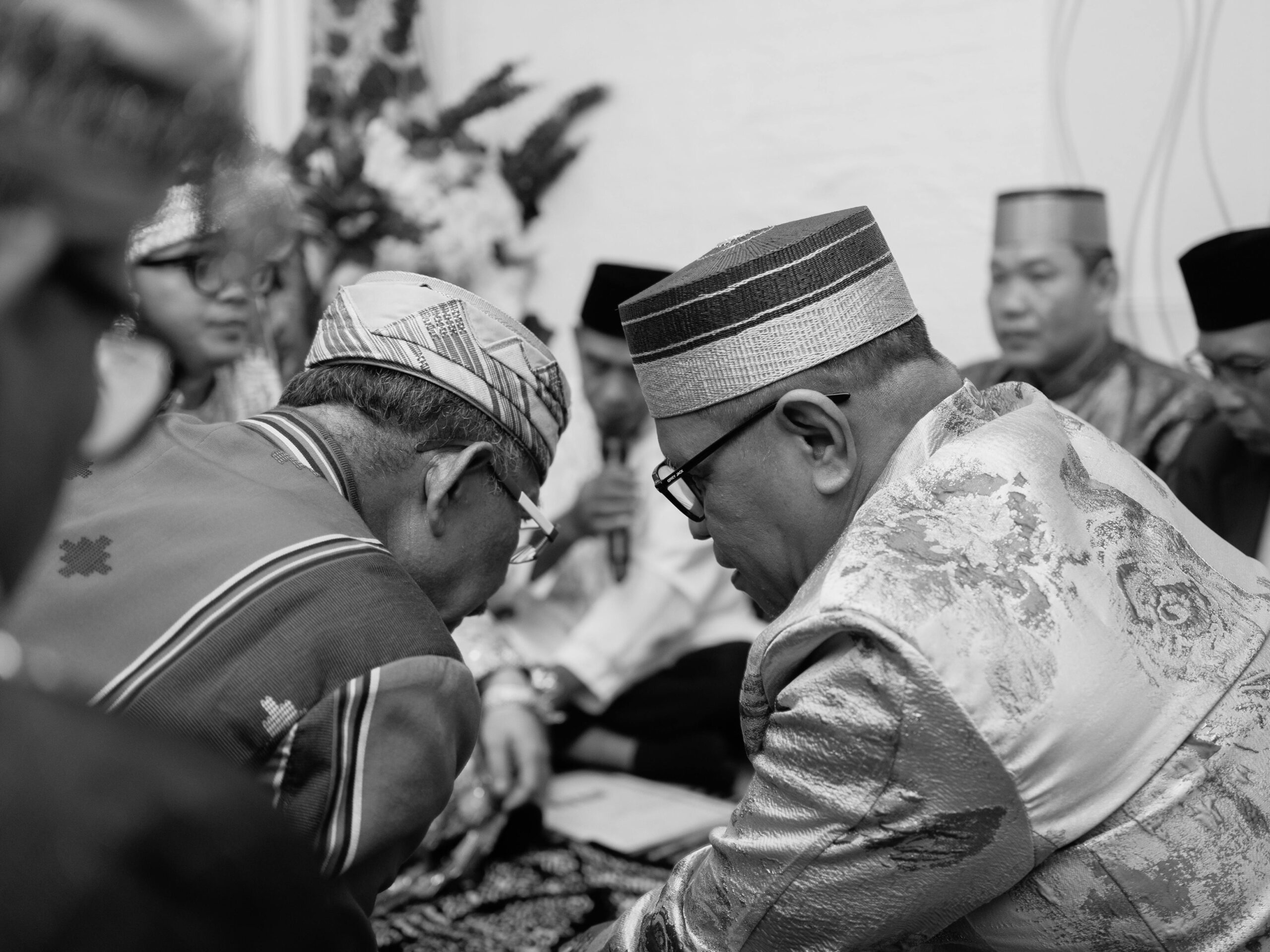
Cultural well-being is emerging as a critical factor in organizational success, community vitality, and individual flourishing, yet measuring its true impact remains one of today’s most challenging endeavors.

🎭 Understanding Cultural Well-Being Beyond Surface Metrics
Cultural well-being encompasses far more than simple employee satisfaction scores or attendance numbers at community events. It represents the comprehensive health of shared values, beliefs, practices, and social connections that define how groups function and thrive together. When organizations and communities prioritize cultural well-being, they create environments where people feel genuinely connected, valued, and empowered to contribute their authentic selves.
The concept extends across multiple dimensions: psychological safety within teams, representation and inclusion of diverse perspectives, access to meaningful cultural experiences, and the preservation of traditions while embracing innovation. Understanding these layers is essential before attempting to measure impact effectively.
Research consistently demonstrates that strong cultural well-being correlates with reduced turnover, increased innovation, better mental health outcomes, and enhanced community resilience. However, capturing these benefits through meaningful metrics requires sophisticated approaches that go beyond traditional quantitative methods.
📊 The Framework: Core Dimensions to Measure
Effective measurement of cultural well-being requires a multi-dimensional framework that acknowledges both tangible and intangible elements. Organizations and communities must consider several interconnected domains simultaneously.
Belonging and Social Connection
The sense of belonging represents perhaps the most fundamental aspect of cultural well-being. People who feel they belong demonstrate higher engagement, creativity, and loyalty. Measuring this dimension involves both quantitative surveys and qualitative assessments of relationship quality, network density, and inclusion experiences.
Key indicators include: frequency of meaningful interactions, diversity of social networks within the organization or community, self-reported feelings of acceptance, and participation rates in collaborative activities. These metrics should be tracked longitudinally to identify trends and intervention points.
Cultural Vitality and Expression
Cultural vitality reflects the vibrancy and authenticity of cultural expression within a group. This includes opportunities for creative expression, celebration of diverse traditions, and space for cultural identity to flourish without suppression or assimilation pressures.
Measurement approaches might include tracking participation in cultural programs, analyzing content diversity in communications, assessing representation across leadership levels, and gathering narratives about cultural expression experiences. Qualitative data becomes especially valuable in this dimension.
Psychological Safety and Trust
Without psychological safety, cultural well-being cannot truly exist. People must feel safe to voice dissent, admit mistakes, ask questions, and challenge the status quo without fear of punishment or humiliation.
Assessing psychological safety requires carefully designed survey instruments, behavioral observation protocols, and analysis of communication patterns. Metrics might include error-reporting rates, question-asking frequency, constructive disagreement occurrences, and perceptions of leadership responsiveness to feedback.
🔍 Quantitative Approaches: Numbers That Tell Stories
While cultural well-being involves many qualitative aspects, quantitative metrics provide essential benchmarks and trend data that enable comparison and accountability.
Survey Instruments and Validation
Well-designed surveys remain foundational to measuring cultural well-being. However, effectiveness depends entirely on instrument quality, administration methodology, and interpretation sophistication. Generic engagement surveys rarely capture cultural nuances adequately.
Validated instruments like the Cultural Intelligence Scale, Inclusion Index measurements, and customized well-being assessments provide more accurate data. These should be administered regularly with consistent methodology to enable trend analysis while remaining brief enough to maintain high response rates.
Critical success factors include: ensuring anonymity to encourage honesty, using validated scales rather than ad-hoc questions, segmenting data by relevant demographic factors, and most importantly, demonstrating tangible action based on results to maintain trust and participation.
Behavioral and Operational Metrics
Beyond self-reported data, behavioral metrics offer objective evidence of cultural well-being impact. These might include retention rates across demographic groups, internal mobility patterns, collaboration tool usage statistics, innovation metrics like suggestions submitted, and participation rates in voluntary cultural programs.
Analyzing these metrics in combination reveals patterns that single indicators might miss. For example, high overall retention combined with low retention among specific demographic groups signals cultural well-being problems that aggregate data obscures.
💬 Qualitative Methods: Capturing the Narrative
Numbers provide breadth, but narratives provide depth. Qualitative methods capture the lived experiences, nuanced perceptions, and contextual factors that quantitative approaches cannot adequately address.
Structured Listening Programs
Regular listening sessions, focus groups, and one-on-one interviews create opportunities to gather rich, contextual information about cultural well-being experiences. These should be conducted by trained facilitators who can create safe spaces for honest dialogue and recognize implicit themes.
Effective listening programs follow consistent protocols, systematically analyze themes across multiple sessions, and integrate findings with quantitative data to develop comprehensive understanding. They should specifically seek out marginalized voices that might otherwise remain unheard.
Ethnographic Observation
Observing actual behaviors, interactions, and cultural practices provides insights that self-reported data cannot. Trained observers can identify patterns in how people actually behave versus how they report behaving, spotting disconnects that signal cultural issues.
This approach works particularly well for assessing meeting dynamics, informal interaction patterns, physical space utilization, and cultural artifact presence. Observations should be systematic, documented consistently, and analyzed for patterns over time.
🎯 Success Indicators: What Good Actually Looks Like
Defining success in cultural well-being requires moving beyond simplistic “happiness” metrics toward meaningful outcomes that reflect genuine flourishing and sustainable health.
Leading and Lagging Indicators
Effective measurement strategies distinguish between leading indicators that predict future cultural health and lagging indicators that confirm results of past efforts.
Leading indicators might include: increasing participation in cultural events, improving psychological safety scores, growing diversity in idea contribution, expanding cross-cultural collaborations, and rising trust metrics. These signal positive trajectory before major outcomes materialize.
Lagging indicators include: retention rate improvements, innovation output increases, reduced conflict escalation, enhanced reputation scores, and demonstrated business or community outcomes. These confirm that cultural well-being investments are yielding tangible results.
Equity-Centered Success Metrics
True cultural well-being success requires equity across all population segments. Aggregate improvements mean little if certain groups consistently experience cultural marginalization or exclusion.
Measurement must therefore disaggregate all metrics by relevant demographic factors, explicitly track equity gaps, set specific targets for gap reduction, and hold leadership accountable for equitable outcomes. Success means all groups report strong cultural well-being, not just majority populations.
🛠️ Implementation Strategies: From Measurement to Action
Measurement without action wastes resources and erodes trust. The ultimate purpose of measuring cultural well-being is enabling informed interventions that genuinely improve experiences and outcomes.
Building a Measurement System
Effective cultural well-being measurement requires systematic infrastructure, not occasional surveys. This includes: regular data collection schedules, clear ownership and accountability, transparent communication of results, participatory analysis processes, and explicit links between findings and action plans.
Technology can support these efforts through specialized platforms that facilitate survey distribution, data visualization, trend analysis, and reporting. However, technology should enhance rather than replace human interpretation and relationship-based understanding.
Creating Feedback Loops
The most critical aspect of measurement is closing the feedback loop. People who contribute data deserve to see what was learned and what actions result. Without this, participation declines and cynicism grows.
Effective feedback loops include: sharing results transparently, acknowledging problems identified, explaining action plans developed in response, demonstrating visible changes implemented, and following up on whether interventions improved experiences. This builds trust and reinforces that measurement serves improvement rather than surveillance.
⚡ Overcoming Common Measurement Challenges
Organizations and communities consistently encounter predictable obstacles when measuring cultural well-being. Anticipating these enables proactive solutions.
Survey Fatigue and Response Rates
Oversurvey populations quickly become disengaged. Maintaining reasonable survey frequency, keeping instruments brief, varying methodology, and most importantly, demonstrating clear action based on previous results helps sustain participation.
Consider complementing surveys with passive data collection, observational methods, and smaller representative samples rather than constant census approaches. Quality and response rates matter more than frequency and volume.
Cultural Measurement Bias
Measurement instruments often embed cultural assumptions that disadvantage certain populations. Questions that make sense in one cultural context may be confusing or offensive in another. Metrics that capture well-being for majority groups may miss critical dimensions for others.
Addressing this requires: involving diverse stakeholders in instrument design, piloting with various populations, validating across cultural groups, offering multiple languages, and remaining open to fundamentally different approaches for different contexts rather than forcing universal instruments.
Attribution and Causality Challenges
Cultural well-being initiatives rarely produce immediate, isolated effects. Outcomes emerge from complex interactions of multiple factors over extended timeframes, making simple cause-and-effect attribution problematic.
Sophisticated analysis approaches including control groups, longitudinal designs, statistical modeling, and qualitative causal process tracing help establish reasonable confidence in program effects. However, maintaining humility about attribution limits and focusing on continuous improvement rather than definitive proof often proves more productive.
🌟 Integrating Cultural Well-Being into Organizational DNA
Sustainable impact requires embedding cultural well-being into core organizational systems rather than treating it as a peripheral program.
Leadership Accountability Mechanisms
When cultural well-being metrics influence leadership evaluation, compensation, and advancement, priorities shift dramatically. Integrating these measures into performance management systems, linking them to business strategy, and making them transparent creates powerful accountability.
This should include both quantitative metrics and qualitative assessments, individual and team-level measures, and both perception and outcome indicators. Leaders should be evaluated on their direct team’s cultural well-being and their contribution to broader organizational culture.
Resource Allocation Decisions
Organizations reveal true priorities through budget and resource allocation. When cultural well-being data systematically informs funding decisions, staffing priorities, space design, technology investments, and program development, it becomes genuinely strategic rather than merely aspirational.
This integration should be explicit, with clear criteria for how cultural well-being considerations weigh against other factors in decision processes. Transparency about these trade-offs builds credibility and reinforces genuine commitment.
🚀 The Future of Cultural Well-Being Measurement
Emerging technologies and evolving understanding continue reshaping how we assess and enhance cultural well-being.
Advanced Analytics and AI Applications
Natural language processing enables analysis of communication patterns, sentiment trends, and cultural themes across massive text datasets. Network analysis reveals relationship patterns and collaboration structures. Predictive analytics can identify cultural well-being risks before they become crises.
These technologies offer unprecedented scale and sophistication but require careful ethical governance. Privacy protection, algorithmic bias mitigation, transparent methodology, and human oversight remain essential. Technology should augment rather than replace human judgment in cultural assessment.
Participatory and Community-Based Approaches
Future measurement will likely emphasize participatory methods where communities define their own well-being indicators, collect their own data, and drive their own interpretation and action. This shifts power dynamics and ensures measurement serves community priorities rather than external agendas.
These approaches recognize cultural communities as experts on their own experiences and honor diverse ways of knowing beyond Western academic frameworks. They also build community capacity and ownership that sustains long-term well-being beyond any specific intervention.

🎬 Transforming Insight into Lasting Impact
Measurement ultimately serves one purpose: enabling environments where all people experience genuine cultural well-being. This requires moving beyond data collection toward cultural transformation grounded in continuous learning, authentic commitment, and courageous action.
Organizations and communities that excel in cultural well-being share common characteristics: they measure systematically but interpret humanely, they acknowledge problems honestly, they involve affected populations in solution design, they persist through setbacks, and they celebrate progress while maintaining ambitious visions.
The journey toward cultural well-being never concludes. Cultures evolve continuously, new challenges emerge, and complacency threatens hard-won gains. Sustainable success requires building measurement and improvement into ongoing organizational rhythms rather than treating them as temporary projects.
As we deepen our understanding of cultural well-being’s profound impact on human flourishing, organizational success, and community resilience, measurement approaches will continue evolving. The fundamental principle remains constant: what we measure reveals what we value, and when we genuinely value cultural well-being, we create the conditions for extraordinary human potential to flourish.