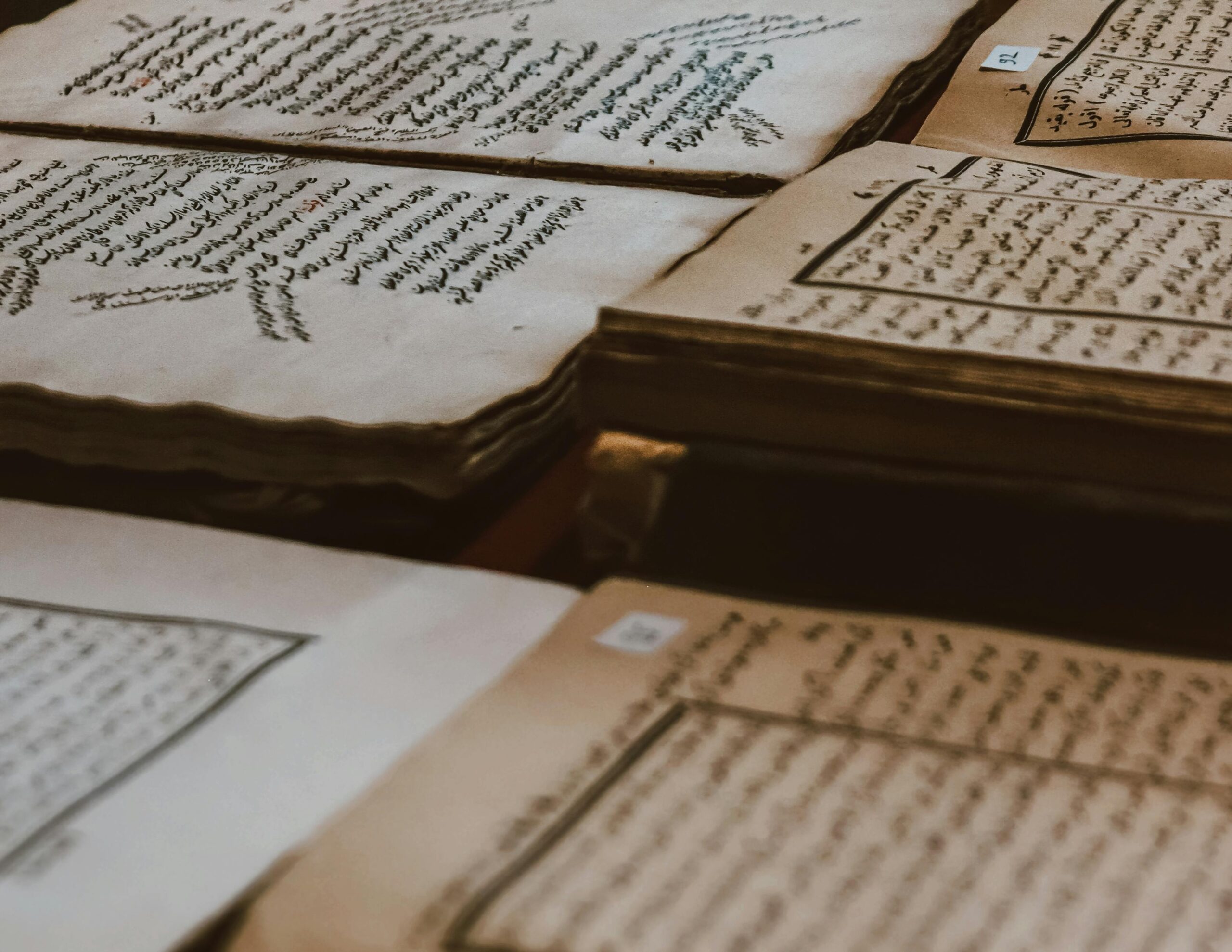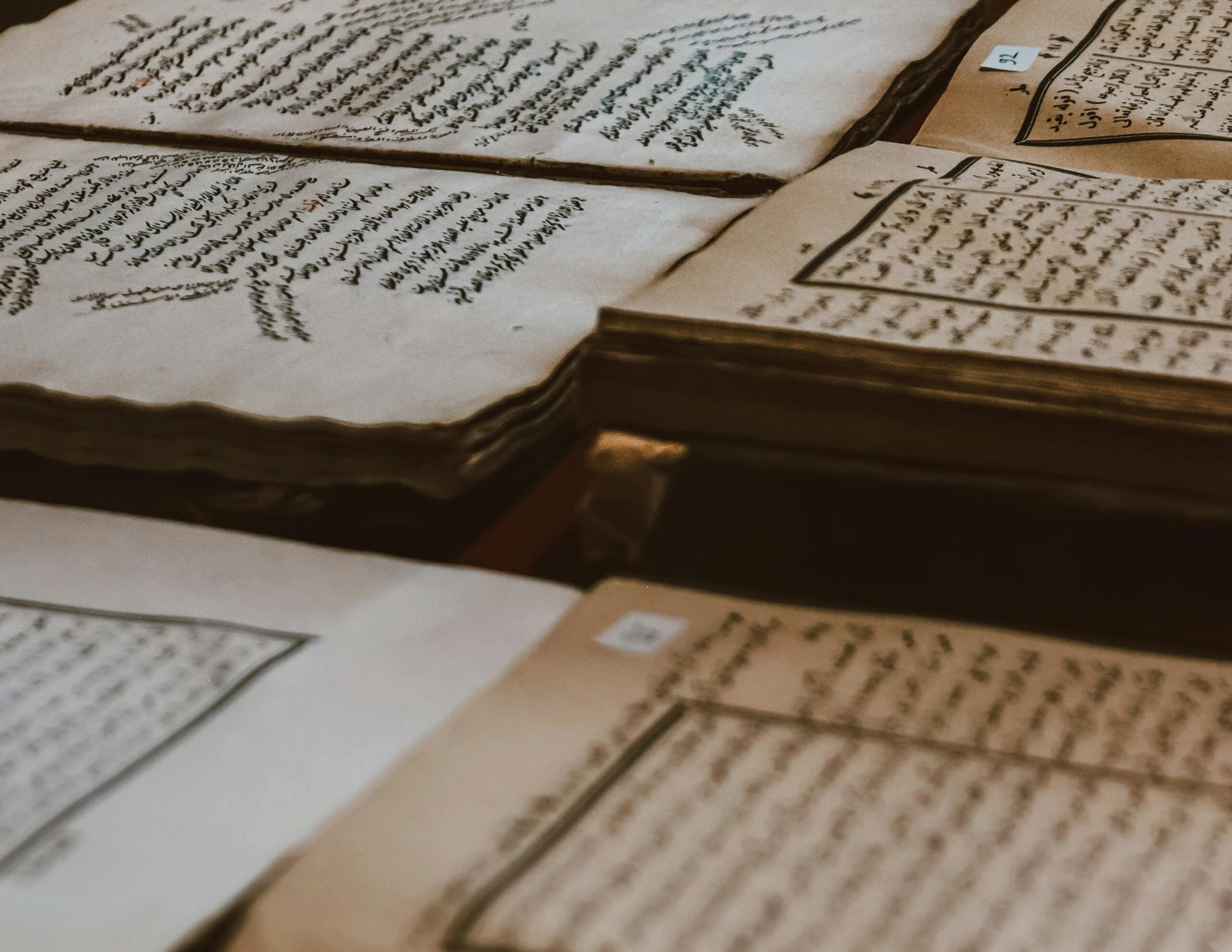
Heritage restoration is entering a revolutionary era where artificial intelligence, 3D scanning, and digital modeling unite to preserve our shared cultural legacy for future generations. 🏛️

The intersection of technology and historical preservation has transformed how we approach the conservation of cultural landmarks, ancient artifacts, and architectural treasures. From crumbling medieval castles to faded Renaissance paintings, cutting-edge tools are breathing new life into objects and structures that connect us to our past. This technological renaissance in heritage restoration is not merely about fixing what’s broken—it’s about understanding, documenting, and preserving history with unprecedented precision and care.
Museums, restoration specialists, and cultural institutions worldwide are embracing innovative solutions that were unimaginable just decades ago. The marriage of traditional craftsmanship with modern technology has opened doors to possibilities that honor historical authenticity while ensuring longevity. As climate change, urbanization, and natural aging threaten countless heritage sites, these technological interventions have become essential rather than optional.
The Digital Revolution in Heritage Documentation 📸
Before restoration can begin, comprehensive documentation is crucial. Traditional photography and manual measurements, while still valuable, have been dramatically enhanced by digital technologies that capture heritage sites with millimeter accuracy. Three-dimensional laser scanning has emerged as a cornerstone technology, creating detailed point clouds that represent every surface, texture, and dimension of historical structures.
Photogrammetry, the science of making measurements from photographs, has evolved into a sophisticated tool for heritage preservation. By combining hundreds or thousands of overlapping images, specialists can generate highly accurate 3D models of buildings, sculptures, and entire archaeological sites. This technology proved invaluable at sites like Notre-Dame Cathedral in Paris, where pre-existing digital scans became crucial references following the devastating 2019 fire.
Drones equipped with high-resolution cameras and LiDAR sensors are revolutionizing how we survey large heritage sites. These unmanned aerial vehicles can safely access dangerous or previously unreachable areas of historic structures, capturing data without risking human lives or causing damage to fragile surfaces. The comprehensive datasets generated serve multiple purposes: baseline documentation, condition monitoring, restoration planning, and creating virtual experiences for education and tourism.
Creating Digital Twins of Cultural Treasures
The concept of digital twins—virtual replicas that mirror physical objects with extreme accuracy—has found profound application in heritage conservation. These digital duplicates allow researchers to study, analyze, and experiment with restoration approaches without touching the actual artifacts. Museums can share perfect replicas with institutions worldwide, democratizing access to cultural treasures while protecting originals from handling damage.
Digital twins also serve as insurance against catastrophic loss. Should a heritage site be damaged by conflict, natural disaster, or accident, the detailed digital records enable accurate reconstruction. The tragic destruction of Palmyra’s ancient monuments in Syria highlighted how digital documentation can preserve knowledge even when physical structures are lost.
Artificial Intelligence: The New Restoration Assistant 🤖
Artificial intelligence and machine learning algorithms are transforming restoration work from educated guesswork into data-driven precision. AI systems trained on vast databases of historical styles, materials, and techniques can identify patterns invisible to human observers and suggest restoration approaches consistent with original construction methods.
In painting restoration, AI algorithms analyze brushstroke patterns, color palettes, and compositional elements to help conservators understand an artist’s technique. When portions of paintings are damaged or lost, machine learning models can generate plausible reconstructions based on the artist’s known style and the painting’s remaining elements. However, ethical guidelines ensure that AI suggestions serve as tools for human decision-making rather than automatic solutions.
Predictive maintenance powered by AI is revolutionizing how cultural institutions care for collections. Sensors monitoring temperature, humidity, light exposure, and structural stress feed continuous data into AI systems that can predict deterioration before it becomes visible. This proactive approach prevents damage rather than merely responding to it, extending the lifespan of priceless artifacts significantly.
Pattern Recognition in Archaeological Reconstruction
Archaeological sites often yield thousands of fragments from destroyed pottery, sculptures, or architectural elements. Manually piecing together these puzzles can take years or prove impossible. AI-powered pattern recognition systems can analyze fragment shapes, decorative patterns, and material composition to suggest matches, dramatically accelerating reconstruction efforts.
Projects like the Digitizing Pompeii initiative have employed AI to match fresco fragments scattered across multiple museums and private collections, virtually reuniting artworks separated for centuries. These technologies respect the physical integrity of artifacts while enabling scholarly research and public appreciation of reconstructed masterpieces.
Advanced Materials Science Breathing New Life into Old Structures 🔬
Understanding historical construction materials at the molecular level has become possible through technologies like X-ray fluorescence, Raman spectroscopy, and scanning electron microscopy. These non-invasive analysis methods reveal composition, manufacturing techniques, and degradation patterns without damaging samples.
Armed with this detailed knowledge, materials scientists are developing conservation products specifically designed to be compatible with historical substrates. Modern consolidants that strengthen deteriorating stone must have chemical properties that won’t cause harmful reactions with centuries-old minerals. Cleaning solutions need to remove pollutants and biological growth without affecting original surfaces or pigments.
Nanotechnology has introduced remarkably effective conservation treatments at the molecular scale. Nanoparticles can penetrate deeply into porous materials like stone and wood, providing consolidation and protection that traditional products cannot achieve. Nano-sized particles of calcium hydroxide, for example, can strengthen deteriorating limestone by transforming into calcium carbonate—the same mineral composing the original stone.
Self-Healing Materials and Bio-Based Solutions
Research into self-healing materials inspired by biological processes offers exciting possibilities for heritage conservation. Scientists are developing coatings and consolidants containing dormant bacteria that activate when cracks appear, producing calcium carbonate that seals damage automatically. While still experimental, such bio-based approaches could provide ongoing protection for outdoor monuments exposed to weathering.
Plant-based and bio-compatible cleaning systems are replacing harsh chemical treatments that risked damaging delicate surfaces. Enzyme-based cleaners can target specific types of dirt or biological growth with precision, leaving original materials untouched. These gentler approaches align with conservation ethics that prioritize minimal intervention and reversibility.
Virtual and Augmented Reality: Experiencing Lost Histories 🥽
Virtual reality technology enables people to experience heritage sites as they appeared in their prime, walking through reconstructed spaces that exist only digitally. Archaeological sites reduced to foundations can be visualized with walls, roofs, and decorative elements restored virtually, helping visitors understand the original architecture and daily life of inhabitants.
Augmented reality applications overlay digital reconstructions onto physical ruins when viewed through smartphones or AR glasses. Visitors to ancient sites can point their devices at weathered columns or partial walls and see virtual completions superimposed on the real-world view. This technology bridges the gap between scholarly reconstruction and public engagement, making history accessible and compelling.
Museums are employing VR to create immersive experiences that complement physical exhibitions. Visitors can virtually enter tombs too fragile for public access, examine artifacts from all angles with magnification impossible in display cases, or witness historical events in recreated environments. These experiences enhance education while reducing physical stress on actual heritage objects.
Digital Preservation for Future Generations
The creation of comprehensive digital archives ensures that detailed records of heritage sites exist for future researchers and restoration specialists. As technologies evolve, these digital assets can be revisited with new analytical tools, extracting information invisible to current methods. Open-access digital repositories are democratizing heritage preservation, enabling global collaboration and public engagement.
Gaming engines and 3D modeling software initially developed for entertainment are being repurposed for serious heritage documentation and education. The same tools that create immersive video game environments can reconstruct historical sites with stunning realism, engaging younger audiences who might find traditional museum displays less compelling.
Robotics and Automation in Conservation Work ⚙️
Robotic systems are tackling restoration tasks that are dangerous, repetitive, or require extreme precision beyond human capability. Climbing robots equipped with sensors and tools can inspect and treat high facades of historic buildings without scaffolding, reducing costs and risks associated with traditional access methods.
Micro-robots small enough to explore tiny spaces within wall cavities or sculpture interiors can document hidden construction techniques and identify structural problems invisible from outside. These diagnostic capabilities inform restoration approaches and help preservers understand how historical craftspeople achieved their remarkable results.
Automated cleaning systems using controlled laser ablation can remove pollution crusts, biological growth, and inappropriate previous restoration materials from stone surfaces with precision impossible through manual methods. The laser parameters can be adjusted for different contaminants and substrates, providing customized treatment that respects the original surface.
Crowdsourcing and Citizen Science in Heritage Preservation 🌍
Digital platforms are enabling public participation in heritage documentation and research at unprecedented scales. Crowdsourcing projects invite volunteers worldwide to transcribe historical documents, tag photographs, or identify objects in museum collections, multiplying the workforce available for time-consuming tasks.
Mobile applications allow tourists and local residents to contribute photographs and observations of heritage sites, creating crowd-sourced monitoring networks. Changes in building conditions, new damage, or conservation needs can be reported immediately, enabling faster response from preservation authorities.
This democratization of heritage preservation fosters broader engagement and ownership of cultural legacy. When people actively participate in documenting and protecting heritage, they develop stronger connections to history and greater investment in its preservation.
Challenges and Ethical Considerations in Technology-Driven Restoration
Despite remarkable capabilities, technology-driven restoration raises important ethical questions. How much reconstruction is appropriate before we cross the line from preservation to recreation? When AI suggests completing damaged artworks, who decides which algorithmic interpretation is correct? These questions require ongoing dialogue between technologists, conservators, historians, and communities connected to heritage sites.
Authenticity remains a central concern. Conservation ethics traditionally emphasize reversibility and distinguishability—any intervention should be removable and identifiable as modern rather than original. Digital and physical restorations must respect these principles, clearly documenting what is historical material and what represents modern interpretation.
Access to advanced technologies remains unequally distributed globally. While wealthy institutions in developed nations employ cutting-edge tools, heritage sites in developing regions often lack resources for even basic conservation. Addressing this technological divide is essential for equitable heritage preservation worldwide.
Data Privacy and Cultural Sensitivity
Detailed digital documentation of heritage sites raises security concerns, as precise measurements could theoretically assist theft or vandalism. Balancing open access for research and education with protection of vulnerable sites requires careful consideration of what information to share publicly.
Cultural sensitivity is paramount when indigenous communities or descendant populations have connections to heritage sites. Their perspectives, traditional knowledge, and rights regarding how their heritage is documented, interpreted, and presented must be respected. Technology should empower rather than override community voices in heritage decisions.
The Collaborative Future of Heritage Restoration
The future of heritage preservation lies in collaboration between traditional craftspeople and cutting-edge technologists. The hands, eyes, and intuition of skilled conservators remain irreplaceable, while technology extends human capabilities and opens new possibilities. The most successful projects combine artisan expertise with digital precision.
International cooperation and knowledge-sharing are accelerating as digital platforms enable real-time collaboration across continents. A stone conservator in Italy can consult with a materials scientist in Japan about treating a specific type of deterioration, sharing high-resolution images and analysis data instantaneously. This global knowledge network elevates conservation standards worldwide.
Education and training programs are evolving to prepare the next generation of heritage professionals who are fluent in both traditional techniques and emerging technologies. Universities and conservation schools are integrating digital documentation, data analysis, and technological literacy into curricula alongside hands-on craft training.
The technologies shaping heritage restoration today represent more than technical achievements—they reflect humanity’s commitment to preserving the tangible evidence of our shared journey. As climate change, conflict, and urbanization threaten cultural heritage worldwide, these innovations provide hope that future generations will inherit not just stories about the past, but the actual places, objects, and structures that witnessed history.
From AI algorithms predicting building deterioration to virtual reality experiences that resurrect lost civilizations, technology is fundamentally transforming our relationship with heritage. Yet the goal remains constant: honoring the craftsmanship, artistry, and stories of those who came before us by protecting what they created for those who will come after.
The marriage of innovation and tradition in heritage restoration demonstrates that respecting the past and embracing the future are not contradictory but complementary. As technologies continue evolving at accelerating pace, they will undoubtedly reveal new possibilities for understanding, protecting, and experiencing the cultural treasures that define our humanity. The challenge and opportunity before us is ensuring these powerful tools serve heritage preservation’s highest ideals: authenticity, respect, and stewardship for posterity.