
Restoration activities are reshaping our planet’s future, turning damaged ecosystems into thriving habitats while combating climate change and biodiversity loss.

🌱 Understanding the Power of Ecological Restoration
The concept of ecological restoration extends far beyond simple conservation efforts. It represents a proactive approach to healing the wounds inflicted upon our natural world through decades of industrialization, urbanization, and unsustainable practices. When we talk about restoration activities, we’re discussing comprehensive efforts to return ecosystems to their natural state, or at least to a functional condition that supports biodiversity and provides essential environmental services.
These restoration initiatives encompass various activities, from reforestation projects and wetland rehabilitation to coral reef restoration and grassland regeneration. Each project contributes to a larger global movement that recognizes our responsibility to repair environmental damage and create sustainable habitats for future generations.
The environmental impact of these restoration activities extends across multiple dimensions. They sequester carbon dioxide from the atmosphere, filter pollutants from water systems, prevent soil erosion, provide habitats for countless species, and create resilient landscapes capable of withstanding climate change impacts. Understanding these benefits helps us appreciate why restoration work has become central to environmental policy and conservation strategy worldwide.
The Carbon Sequestration Revolution 🌍
One of the most significant environmental benefits of restoration activities lies in their capacity to capture and store atmospheric carbon dioxide. Forest restoration projects, in particular, have emerged as powerful tools in the fight against climate change. Trees act as natural carbon sinks, absorbing CO2 during photosynthesis and storing it in their biomass and in surrounding soil.
Research indicates that forest restoration could potentially capture up to 226 gigatons of carbon dioxide globally, representing a substantial contribution to climate mitigation efforts. When combined with wetland restoration, which also sequesters significant amounts of carbon in peat and organic matter, these activities create natural climate solutions that complement technological approaches to reducing greenhouse gas emissions.
Beyond forests, coastal ecosystem restoration offers remarkable carbon storage potential. Mangrove forests, salt marshes, and seagrass meadows sequester carbon at rates up to forty times higher than terrestrial forests. These “blue carbon” ecosystems not only combat climate change but also provide coastal protection, nursery habitats for marine species, and water filtration services.
Measuring the Carbon Impact
Quantifying the carbon benefits of restoration projects has become increasingly sophisticated. Scientists now use advanced monitoring techniques, including satellite imagery, drone technology, and ground-based sensors, to track carbon sequestration rates across different ecosystem types. This data helps prioritize restoration efforts and demonstrates the tangible climate benefits of investment in natural solutions.
Biodiversity Renaissance Through Restoration 🦋
The biodiversity crisis facing our planet demands urgent action, and restoration activities provide hope for reversing species decline. When degraded habitats are restored, they create opportunities for native species to return, establish populations, and thrive once again.
Habitat restoration projects have documented remarkable success stories. In regions where native forests have been replanted, bird species diversity often increases dramatically within just a few years. Pollinator populations rebound when wildflower meadows are established, supporting both wild species and agricultural productivity. Stream restoration brings back fish populations, amphibians, and aquatic insects that form the foundation of freshwater food webs.
The ripple effects of biodiversity restoration extend throughout entire ecosystems. When predator species return to restored habitats, they help regulate prey populations, preventing overgrazing and allowing vegetation to flourish. This trophic cascade effect demonstrates how restoration activities can trigger positive feedback loops that accelerate ecosystem recovery.
Creating Wildlife Corridors
Modern restoration efforts increasingly focus on connectivity between habitats. Wildlife corridors linking restored areas allow species to move freely across landscapes, facilitating genetic exchange, seasonal migration, and range expansion in response to climate change. These green infrastructure networks represent strategic investments in long-term biodiversity conservation.
Water Quality and Watershed Health 💧
Restoration activities deliver profound benefits for water resources, addressing pollution, improving water quality, and enhancing watershed function. Wetland restoration, in particular, creates natural filtration systems that remove excess nutrients, sediments, and contaminants from water before it reaches rivers, lakes, and oceans.
Riparian buffer restoration along streams and rivers stabilizes banks, reduces erosion, and filters agricultural runoff. The vegetation in these restored areas traps pollutants, absorbs excess nutrients like nitrogen and phosphorus, and provides shade that keeps water temperatures within ranges suitable for aquatic life.
Urban restoration projects also contribute to water quality improvements. Rain gardens, bioswales, and restored urban wetlands manage stormwater runoff, reducing the burden on aging infrastructure while filtering pollutants before they enter waterways. These green infrastructure solutions provide cost-effective alternatives to traditional gray infrastructure while creating attractive community spaces.
Soil Regeneration and Agricultural Benefits 🌾
Healthy soil forms the foundation of productive ecosystems and sustainable agriculture. Restoration activities that focus on soil regeneration deliver multiple environmental benefits while supporting food security. When degraded agricultural land undergoes restoration through practices like cover cropping, reduced tillage, and organic matter addition, soil structure improves, water retention increases, and beneficial microbial communities flourish.
Erosion control represents another critical benefit of restoration work. Degraded landscapes lose topsoil to wind and water erosion, depleting nutrients and reducing productivity. Restoration plantings stabilize soil, prevent erosion, and gradually rebuild the organic matter content that characterizes healthy, productive land.
Grassland and prairie restoration projects demonstrate how native vegetation systems can restore soil health while providing habitat for wildlife. Deep-rooted native grasses build soil structure, increase carbon storage, and create resilient landscapes that require minimal inputs once established.
Climate Resilience and Disaster Risk Reduction 🛡️
As climate change intensifies extreme weather events, restored ecosystems provide natural protection against floods, droughts, hurricanes, and other disasters. Coastal wetland restoration reduces storm surge impacts, potentially saving billions in property damage and protecting vulnerable communities from flooding.
Forest restoration on hillsides and mountain slopes reduces landslide risk while regulating water flow. During heavy rainfall, restored forests absorb water, slow runoff, and release it gradually, reducing downstream flooding. During dry periods, this stored water maintains stream flow, supporting aquatic ecosystems and human water needs.
Urban tree canopy restoration helps cities adapt to rising temperatures. Strategically planted trees reduce the urban heat island effect, lower cooling costs, improve air quality, and create more livable neighborhoods. These restoration efforts enhance community resilience while delivering immediate quality of life improvements.
Building Natural Defense Systems
Restoration projects increasingly integrate disaster risk reduction objectives. Coral reef restoration protects coastlines from wave action while supporting fisheries. Dune restoration buffers coastal communities from storm impacts. These nature-based solutions often prove more cost-effective and sustainable than engineered alternatives, while providing additional ecological benefits.
Economic Returns on Restoration Investment 💰
The economic case for restoration activities continues strengthening as studies document impressive returns on investment. For every dollar spent on forest restoration, studies suggest returns ranging from seven to thirty dollars in economic benefits, including timber value, carbon sequestration, water filtration, and tourism revenue.
Restoration creates employment opportunities in rural and urban communities. Nursery operations, planting crews, monitoring teams, and ongoing management activities generate jobs while rebuilding natural capital. These green jobs often provide meaningful work that connects people with nature and builds environmental stewardship.
Tourism and recreation benefits from restoration should not be underestimated. Restored natural areas attract visitors, supporting local economies through spending on accommodations, dining, and recreation activities. Birdwatching, hiking, fishing, and wildlife photography all benefit from successful restoration projects.
Community Engagement and Social Benefits 🤝
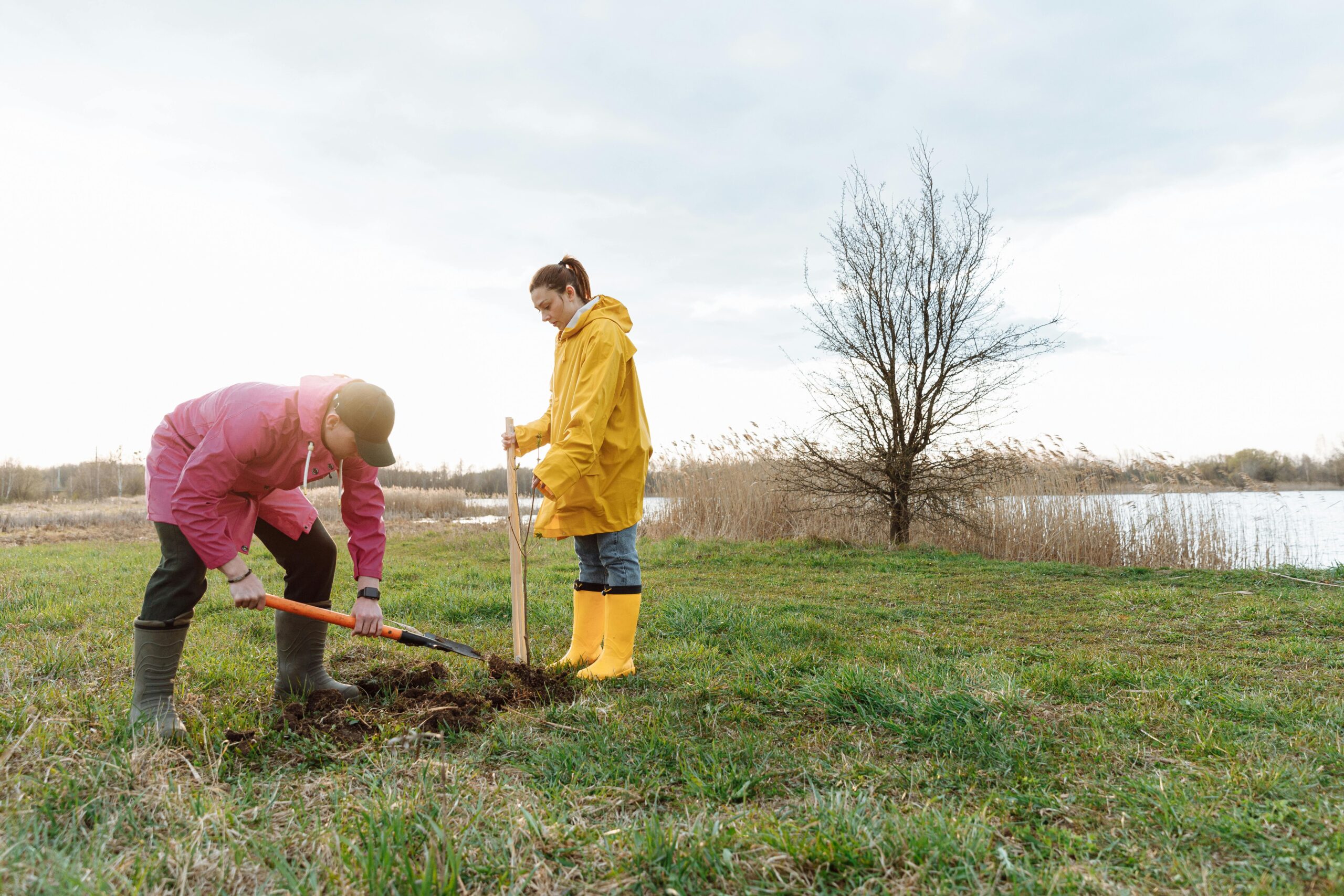
Restoration activities strengthen community bonds while improving environmental conditions. Volunteer restoration events bring together diverse groups of people working toward common goals. These experiences build environmental awareness, foster stewardship values, and create lasting connections between people and places.
Urban restoration projects particularly benefit underserved communities by creating green spaces in neighborhoods that historically lacked access to nature. These restored areas provide recreation opportunities, improve mental and physical health, and contribute to environmental justice by ensuring all communities can enjoy nature’s benefits.
Educational opportunities abound in restoration projects. Schools, universities, and community organizations use restoration sites as living laboratories where people of all ages learn about ecology, conservation, and environmental science through hands-on experience.
Technology and Innovation in Restoration Work 🔬
Technological advances are revolutionizing restoration activities, making them more effective and efficient. Drone technology enables rapid site assessment, seed dispersal across difficult terrain, and ongoing monitoring of restoration progress. Satellite imagery helps identify priority areas for restoration and tracks vegetation recovery over time.
Genetic research informs seed selection and planting strategies, ensuring restored ecosystems include appropriate genetic diversity to adapt to changing conditions. Soil science advances guide amendments and treatments that accelerate recovery in severely degraded sites.
Data management platforms help restoration practitioners share knowledge, coordinate efforts, and learn from successes and failures. These collaborative tools accelerate the pace of restoration by building on collective experience and avoiding repeated mistakes.
Scaling Up: From Local Projects to Global Movement 🌎
The urgent need for environmental restoration has sparked ambitious global initiatives. The UN Decade on Ecosystem Restoration aims to prevent, halt, and reverse ecosystem degradation worldwide. This framework encourages governments, organizations, and individuals to commit resources and energy to restoration activities at unprecedented scales.
Large-scale restoration initiatives demonstrate what’s possible when resources and political will align. The African Forest Landscape Restoration Initiative seeks to restore 100 million hectares of degraded land across Africa. China’s massive reforestation programs have transformed landscapes and reduced desertification. The Bonn Challenge targets 350 million hectares of restored forest globally by 2030.
These ambitious goals require coordination across sectors, sustained funding, and adaptive management approaches that respond to local conditions while contributing to global objectives. Success depends on engaging local communities as partners rather than imposing top-down solutions.
Overcoming Challenges in Restoration Work ⚡
Despite tremendous potential, restoration activities face significant challenges. Funding limitations often constrain project scope and duration. Restoration requires long-term commitment, but funding cycles typically favor short-term projects with immediate visible results.
Ecological complexity means restoration outcomes can be unpredictable. Climate change adds uncertainty, as restored ecosystems must adapt to shifting temperature and precipitation patterns. Invasive species threaten restoration success by outcompeting native plants and disrupting ecosystem function.
Land tenure issues and conflicting interests complicate restoration planning. Balancing agricultural productivity with conservation goals requires careful negotiation and creative solutions that meet multiple objectives. Building consensus among stakeholders with different priorities demands patience, transparency, and inclusive decision-making processes.
Looking Forward: The Future of Restoration 🚀
The future of restoration activities looks increasingly promising as awareness grows and techniques improve. Emerging approaches emphasize building resilience and adapting ecosystems to anticipated climate conditions rather than simply returning to historical baselines.
Assisted migration strategies may help species and ecosystems adapt to rapid environmental change. Carefully moving species to areas where climate conditions will remain suitable could prevent extinctions and maintain ecosystem function under changing conditions.
Integration of restoration with sustainable development goals ensures environmental recovery supports human wellbeing. Agroforestry systems, for example, restore ecological function while providing income and food security for farming communities.
The growing recognition that healthy ecosystems underpin human prosperity creates momentum for expanded restoration investment. As the environmental and economic benefits of restoration become clearer, political support and funding opportunities should increase, enabling more ambitious projects worldwide.
Restoration activities represent more than environmental repair work—they embody hope for a sustainable future where human communities and natural systems flourish together. Every restored wetland, replanted forest, and revitalized stream demonstrates our capacity to heal the damage we’ve caused and create positive environmental legacies for tomorrow. The positive impacts of restoration extend across climate regulation, biodiversity conservation, water quality, soil health, disaster resilience, and human wellbeing, making these activities essential investments in our collective future.