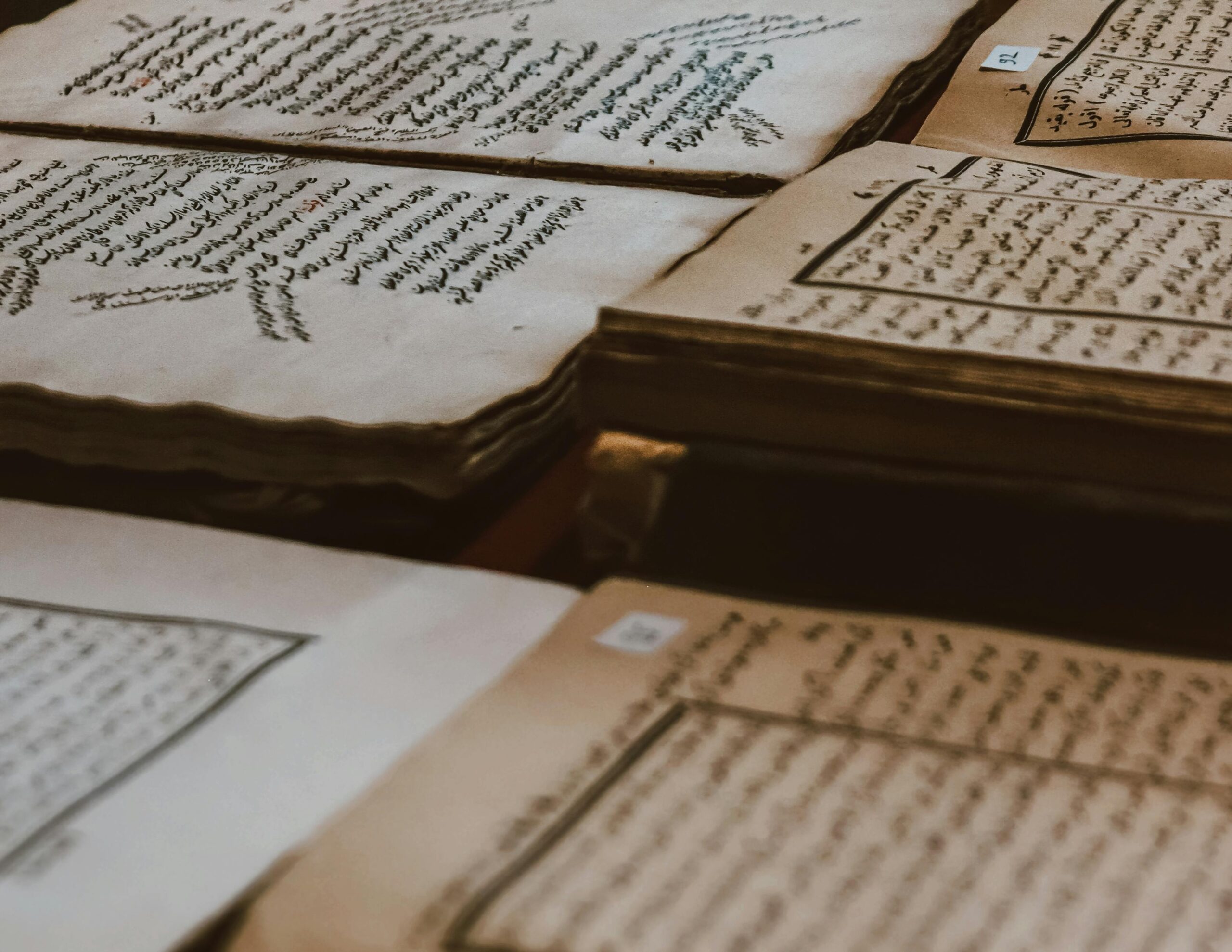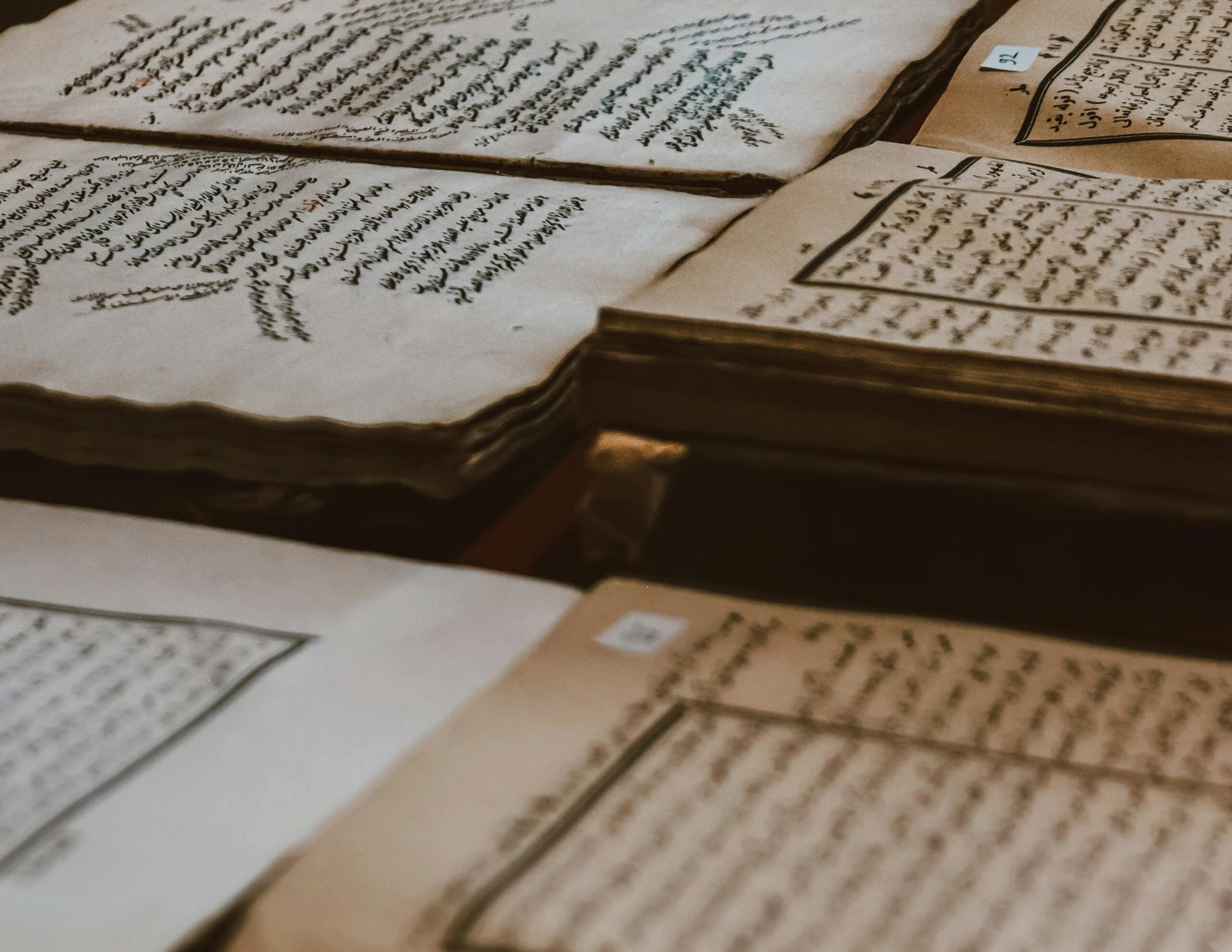
Cultural heritage represents humanity’s collective memory, demanding innovative approaches to preserve stories, artifacts, and traditions for those yet to come. 🌍

The challenge of preserving our past has never been more critical or complex. As we stand at the intersection of tradition and technology, the responsibility to safeguard cultural heritage for future generations weighs heavily on institutions, communities, and individuals worldwide. Digital transformation has opened unprecedented opportunities to document, model, and archive cultural assets in ways our ancestors could never have imagined.
The preservation of cultural heritage extends far beyond simply storing old photographs in dusty archives or protecting ancient buildings from the elements. Today’s preservation efforts require sophisticated data modeling techniques, cutting-edge archiving systems, and collaborative frameworks that ensure accessibility without compromising authenticity. This comprehensive approach to cultural heritage management is reshaping how we think about memory, identity, and our connection to the past.
🏛️ The Digital Revolution in Heritage Conservation
Digital technologies have fundamentally transformed cultural heritage preservation. What once required physical storage facilities and risked deterioration over time can now be captured, modeled, and archived in formats that resist degradation while remaining accessible across continents. Three-dimensional scanning, photogrammetry, and virtual reality have become essential tools in the conservationist’s toolkit.
Museums and cultural institutions worldwide are investing heavily in digitization projects. The British Museum, Smithsonian Institution, and countless regional archives have undertaken massive initiatives to convert physical collections into digital formats. These efforts serve multiple purposes: they create backup copies of irreplaceable artifacts, enable remote access for researchers and the public, and allow for virtual exhibitions that transcend geographical limitations.
However, digitization alone doesn’t guarantee preservation. Without proper data modeling and archiving strategies, digital files can become as inaccessible as artifacts locked in private collections. File formats become obsolete, storage media degrades, and without adequate metadata, digital objects lose their context and meaning. This reality has driven the development of specialized approaches to cultural heritage data management.
Understanding Cultural Heritage Data Modeling
Data modeling for cultural heritage involves creating structured representations of artifacts, monuments, traditions, and associated information. Unlike commercial databases that might prioritize transaction speed or user engagement metrics, heritage data models must accommodate complex relationships, preserve provenance information, and maintain scholarly rigor while remaining flexible enough to incorporate diverse cultural perspectives.
The CIDOC Conceptual Reference Model (CRM) has emerged as an international standard for cultural heritage information. This ontology provides a framework for describing implicit and explicit concepts and relationships used in cultural heritage documentation. It enables institutions to structure their data in ways that facilitate interoperability, allowing different databases to communicate and share information effectively.
Essential Components of Heritage Data Models
Effective cultural heritage data modeling incorporates several critical elements that distinguish it from generic database design:
- Temporal information: Documenting when artifacts were created, discovered, restored, or exhibited
- Spatial data: Recording precise locations, archaeological contexts, and geographic relationships
- Provenance tracking: Maintaining complete ownership and custody histories
- Material composition: Detailing physical properties and construction methods
- Cultural context: Preserving significance, usage patterns, and symbolic meanings
- Conservation history: Documenting all interventions and treatments
- Rights management: Tracking intellectual property, permissions, and access restrictions
These components work together to create a comprehensive digital representation that captures not just what an object is, but its entire story and significance within human culture. The richness of this contextual information often proves more valuable than the basic cataloging details.
🗄️ Archiving Strategies for Long-Term Preservation
Creating digital models represents only the first step in preservation. Ensuring those models remain accessible decades or centuries into the future requires thoughtful archiving strategies that account for technological change, organizational continuity, and resource availability.
Digital preservation professionals distinguish between “bit preservation” and “functional preservation.” Bit preservation ensures the digital files themselves survive intact—that zeros and ones don’t corrupt over time. Functional preservation goes further, ensuring that future users can actually open, view, and interact with those files even as software and hardware evolve.
The Format Selection Dilemma
Choosing file formats for long-term archiving involves balancing competing priorities. Proprietary formats might offer superior functionality today but risk becoming unreadable as companies discontinue support. Open standards provide better longevity prospects but may lack features needed for high-fidelity reproduction.
Many institutions adopt a multi-format strategy, maintaining preservation masters in robust open formats while creating access copies in contemporary formats optimized for current use. This approach provides insurance against format obsolescence while meeting immediate user needs.
Metadata: The Key to Discoverability
Without comprehensive metadata, even perfectly preserved digital objects become effectively lost. Future researchers need to understand what they’re looking at, where it came from, and how it relates to other cultural materials. Robust metadata schemas tailored to cultural heritage ensure this contextual information travels alongside the digital artifacts themselves.
Standards like Dublin Core, METS (Metadata Encoding and Transmission Standard), and PREMIS (Preservation Metadata) provide frameworks for organizing descriptive, administrative, and technical metadata. When properly implemented, these standards create self-documenting archives that remain intelligible even if institutional knowledge is lost.
Collaborative Approaches to Heritage Preservation 🤝
No single institution can preserve global cultural heritage alone. Successful preservation increasingly depends on collaborative networks that pool resources, share expertise, and coordinate efforts across organizational and national boundaries.
Europeana, a digital platform aggregating cultural heritage from European institutions, exemplifies this collaborative approach. By establishing common standards and providing centralized infrastructure, Europeana enables smaller museums and archives to participate in preservation initiatives that would otherwise exceed their capacity.
Similarly, the Digital Public Library of America (DPLA) connects collections from libraries, archives, and museums across the United States, creating unprecedented access to American cultural heritage. These platforms demonstrate how technology can democratize both preservation efforts and access to cultural materials.
Community-Driven Documentation
Indigenous communities and cultural groups are increasingly asserting control over how their heritage is documented and shared. This shift recognizes that preservation isn’t simply a technical challenge but involves questions of authority, representation, and cultural sensitivity.
The Mukurtu platform represents an innovative response to these concerns, providing culturally appropriate content management specifically designed for indigenous communities. It incorporates traditional knowledge protocols that allow communities to control who can access different types of information, respecting cultural norms around sacred or restricted materials.
🔧 Technologies Shaping Heritage Preservation
Emerging technologies continue to expand what’s possible in cultural heritage preservation, offering tools that provide unprecedented detail, accuracy, and accessibility.
Photogrammetry allows conservators to create detailed three-dimensional models from series of photographs, documenting artifacts and archaeological sites with millimeter-level precision. These models serve multiple purposes: they provide baseline documentation for monitoring conservation needs, enable virtual restoration experiments without touching physical objects, and create immersive experiences for public engagement.
Artificial intelligence and machine learning are being applied to heritage preservation in fascinating ways. AI can help transcribe handwritten historical documents, identify objects in photographs, detect patterns in archaeological data, and even predict deterioration in artifacts based on environmental conditions. While these technologies don’t replace human expertise, they dramatically accelerate processes that would otherwise take decades.
Blockchain for Provenance Verification
Blockchain technology offers potential solutions to one of cultural heritage’s persistent challenges: establishing authentic provenance and preventing illicit trafficking. By creating tamper-resistant records of ownership and custody changes, blockchain could help combat the illegal antiquities trade while providing transparent documentation of an object’s history.
Several pilot projects are exploring these applications, though widespread adoption faces hurdles including technological complexity, energy consumption concerns, and the challenge of retrofitting blockchain systems onto existing collection management infrastructure.
📊 Measuring Impact and Ensuring Sustainability
Cultural heritage preservation requires sustained commitment and resources. Demonstrating impact helps secure continued funding and support, but measuring success in heritage preservation involves more nuanced metrics than typical digital projects.
| Impact Category | Potential Metrics | Considerations |
|---|---|---|
| Access | Number of digital objects accessible, user visits, geographic reach | Quantity doesn’t equal quality; meaningful engagement matters more |
| Preservation | Objects digitized, formats migrated, bit integrity verified | Long-term survival difficult to measure in present |
| Research Use | Citations, derivative works, scholarly publications | Impact often emerges years after preservation efforts |
| Community Engagement | Contributions, feedback, collaborative projects | Qualitative impacts may be more significant than quantitative |
Sustainability extends beyond financial resources to encompass technical infrastructure, organizational capacity, and community support. Projects built on proprietary platforms or dependent on single individuals face significant sustainability risks. Building diverse support networks and using open-source technologies when possible helps ensure preservation efforts outlast any particular institutional arrangement.
⚖️ Ethical Considerations in Digital Heritage
Digital preservation raises complex ethical questions that extend far beyond technical implementation. Who decides what gets preserved? How should contested heritage be represented? What obligations do institutions have regarding repatriation of cultural materials, whether physical or digital?
The digitization of indigenous artifacts held in Western museums has sparked important debates about cultural property and digital repatriation. While 3D scans can’t replace physical objects taken during colonial periods, they do provide source communities with access to cultural materials from which they’ve been separated. Some argue this digital access represents a form of repatriation; others see it as inadequate substitution for return of physical objects.
Balancing Access and Protection
Not all cultural heritage should be freely accessible. Sacred objects, sensitive archaeological site locations, and materials depicting living individuals all require thoughtful access restrictions. Digital platforms must incorporate flexible permission systems that respect cultural protocols while maximizing appropriate access.
This balance becomes particularly challenging when dealing with colonial-era collections. Materials documenting colonized peoples were often created without consent and may violate current ethical standards. Simply digitizing and providing open access to such materials can perpetuate historical harms, yet restricting access entirely limits research and community connection to their heritage.
🌟 Creating Meaningful Engagement Beyond Storage
Preservation succeeds not merely by storing data but by fostering ongoing engagement with cultural heritage. Digital archives that sit unused fail their purpose regardless of technical sophistication. Effective heritage preservation creates opportunities for discovery, learning, and connection across generations.
Interactive exhibitions using augmented reality allow museum visitors to see artifacts in their original contexts or observe how objects looked before deterioration. Virtual reality experiences transport users to archaeological sites or historical environments, creating emotional connections impossible through traditional displays. These technologies transform passive viewing into active exploration.
Educational partnerships extend heritage preservation’s impact by integrating digital collections into curricula. Students analyzing primary sources develop critical thinking skills while connecting with their cultural past. Teachers gain access to materials that would otherwise require expensive field trips or remain entirely inaccessible.
Looking Forward: Heritage in an Uncertain Future 🔮
Climate change, political instability, and rapid urbanization threaten cultural heritage sites worldwide. The COVID-19 pandemic demonstrated how quickly physical access to museums and archives can be disrupted, highlighting the importance of digital alternatives. These challenges make heritage preservation simultaneously more difficult and more urgent.
The next generation of cultural heritage professionals will need interdisciplinary skills spanning conservation science, information technology, community engagement, and cultural studies. Training programs are evolving to prepare practitioners for these complex demands, emphasizing collaboration and adaptability alongside technical expertise.
Emerging technologies like quantum computing and advanced AI will likely transform preservation practices in ways we can’t fully anticipate. The fundamental principles—accurately documenting cultural materials, maintaining them in accessible formats, and ensuring their significance is understood—will remain constant even as implementation methods evolve.
Building Bridges Between Past and Future 🌉
Cultural heritage preservation represents an act of optimism and faith in future generations. We invest resources and effort to maintain connections with the past because we believe those connections will matter to people not yet born. This intergenerational responsibility drives innovation in data modeling and archiving practices.
Success requires more than technical excellence. It demands cultural sensitivity, ethical awareness, and commitment to accessibility. It means recognizing that preservation isn’t neutral but involves choices about what stories get told and whose voices are heard. It requires humility about our limitations and willingness to adapt as understanding deepens.
The digital archives we build today will shape how future generations understand their heritage and identity. By embracing robust data modeling, thoughtful archiving strategies, and ethical practices, we create foundations for cultural continuity in an uncertain world. This work connects us to those who came before while extending our hands toward those yet to come, preserving the rich tapestry of human experience for all who follow.
Every artifact documented, every tradition recorded, every story preserved represents a small victory against the erosion of memory. Together, these efforts weave a safety net catching fragments of the past and carrying them forward. Cultural heritage preservation isn’t about stopping time or preventing change—it’s about ensuring that change occurs with awareness of what came before, allowing each generation to build upon the foundations laid by their ancestors while creating new heritage for descendants yet to come. 🕰️