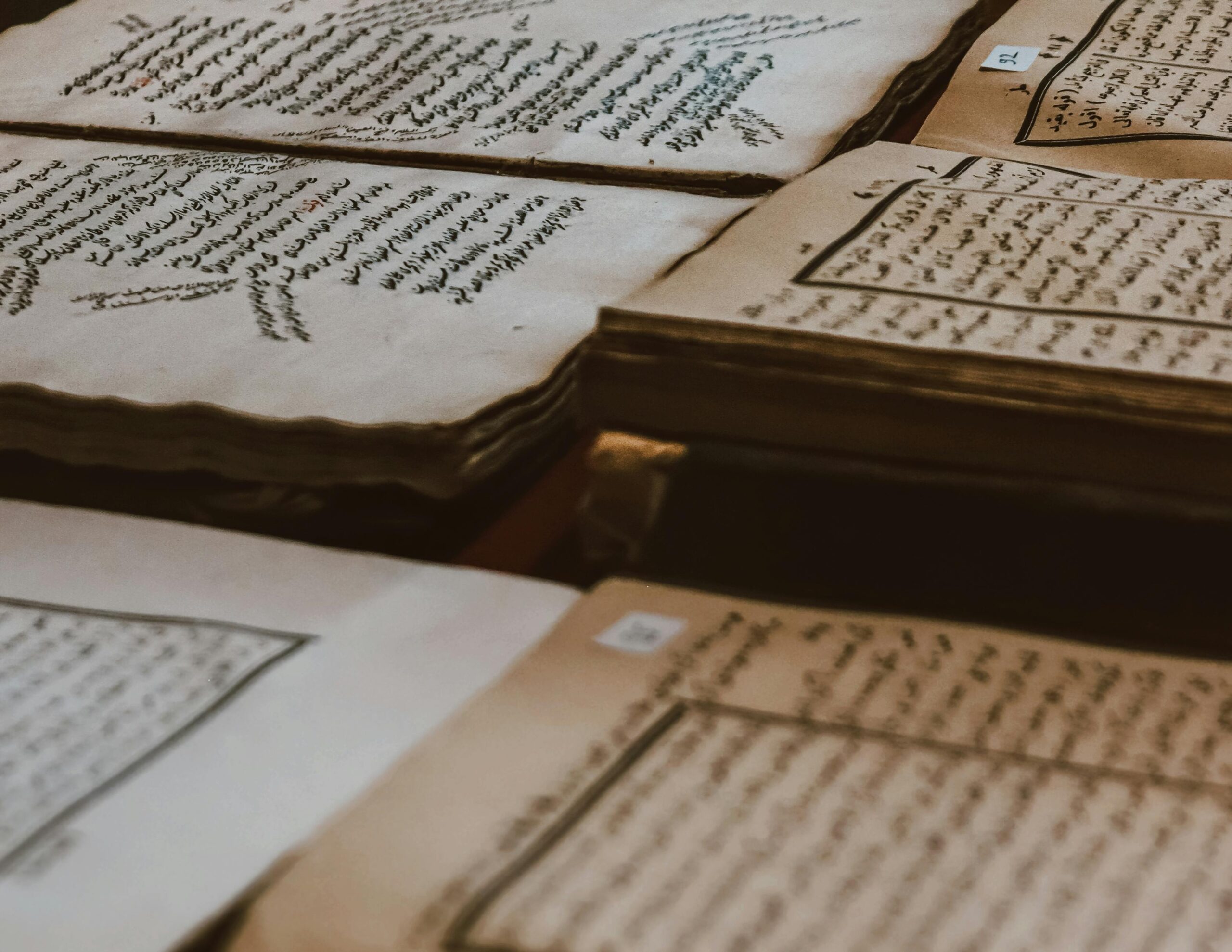
Heritage restoration stands at a transformative crossroads where ancient craftsmanship meets revolutionary digital innovation, opening unprecedented possibilities for preserving our cultural treasures.

🏛️ The Digital Revolution in Cultural Preservation
The world of heritage restoration has undergone a remarkable transformation over the past decade. Traditional methods, while invaluable, now work hand-in-hand with cutting-edge technologies that were once confined to science fiction. From laser scanning that captures microscopic details to artificial intelligence that predicts structural degradation, these innovations are reshaping how we approach the conservation of historical monuments, artifacts, and cultural sites.
Today’s restoration professionals have access to tools that allow them to see beneath surfaces, recreate lost elements with pinpoint accuracy, and monitor the health of ancient structures in real-time. This technological renaissance isn’t replacing the expertise of skilled conservators—it’s amplifying their capabilities and extending their reach across generations of cultural heritage.
3D Scanning and Digital Modeling: Creating Virtual Twins
Three-dimensional scanning technology has become the cornerstone of modern heritage documentation. Using laser scanners and photogrammetry, specialists can create incredibly detailed digital replicas of buildings, sculptures, and archaeological sites. These digital twins serve multiple purposes: they provide accurate baselines for monitoring changes over time, enable detailed analysis without physical contact, and create permanent records that survive even if the original is damaged or destroyed.
The precision of contemporary 3D scanning equipment is staggering. Modern LiDAR systems can capture millions of data points per second, creating models accurate to within millimeters. This level of detail allows researchers to study structural problems, plan interventions, and even recreate missing architectural elements with historical accuracy. The Notre-Dame Cathedral in Paris, for example, benefited immensely from detailed 3D scans that existed before the 2019 fire, providing invaluable data for the ongoing reconstruction effort.
Photogrammetry: Accessible Digital Documentation
While laser scanning requires specialized equipment, photogrammetry offers a more accessible alternative. By capturing overlapping photographs from multiple angles, sophisticated software can generate three-dimensional models with impressive accuracy. This democratization of 3D documentation means that smaller institutions and even independent researchers can create valuable digital records of heritage sites.
The flexibility of photogrammetry makes it particularly valuable for capturing complex architectural details, decorative elements, and sculptures. Combined with drone technology, entire building facades and archaeological excavations can be documented quickly and comprehensively, creating permanent records for future generations.
Artificial Intelligence: The Smart Conservator’s Assistant 🤖
Artificial intelligence and machine learning algorithms are revolutionizing heritage conservation by processing vast amounts of data faster and more accurately than ever before. These systems can identify patterns in structural degradation, predict future conservation needs, and even assist in reconstructing damaged artifacts by learning from existing examples.
AI-powered image recognition systems can analyze thousands of historical photographs and documents, identifying matches and connections that would take human researchers years to discover. This capability has proven invaluable for reconstruction projects, helping experts understand how buildings originally looked and how they’ve changed over time.
Predictive Maintenance Through Machine Learning
Perhaps one of the most promising applications of AI in heritage conservation is predictive maintenance. By analyzing environmental data, structural monitoring information, and historical degradation patterns, machine learning models can forecast when and where conservation interventions will be needed. This proactive approach allows institutions to address problems before they become critical, potentially saving both artifacts and resources.
These systems continuously learn and improve, becoming more accurate over time. They can factor in climate change projections, pollution levels, visitor traffic patterns, and countless other variables to create comprehensive maintenance schedules tailored to each unique heritage site.
Advanced Materials Science: Building Bridges Between Past and Future
The development of new conservation materials represents a critical frontier in heritage restoration. Scientists are creating compounds that mimic historical materials while offering enhanced durability and reversibility—a key principle in modern conservation ethics. These materials must be compatible with original substrates, age gracefully, and allow for future interventions without causing damage.
Nanotechnology has opened remarkable possibilities in this field. Nano-lime particles, for instance, can penetrate deeper into deteriorated stone than traditional lime treatments, consolidating structure at a molecular level. Similarly, nanoparticles are being used to develop cleaning agents that target specific types of dirt or biological growth without affecting underlying materials.
Bio-Based Conservation Materials 🌱
An exciting development in materials science is the use of biological processes for conservation. Bacterial cultures, for example, can be engineered to produce calcium carbonate, effectively “healing” cracks in limestone and marble. This biomineralization process creates repairs that are chemically identical to the original material, ensuring perfect compatibility and durability.
Researchers are also exploring fungal networks and enzyme-based treatments that can address specific conservation challenges, from removing harmful salts from masonry to stabilizing archaeological wood. These bio-based approaches often prove more sustainable and environmentally friendly than traditional chemical treatments.
Virtual and Augmented Reality: Bringing History to Life
Virtual reality (VR) and augmented reality (AR) technologies are transforming both the study and public experience of heritage sites. Researchers can immerse themselves in detailed virtual reconstructions, examining architectural details from impossible angles or seeing buildings as they appeared centuries ago. This capability is invaluable for understanding construction techniques, planning restorations, and teaching new generations of conservators.
For the public, AR applications can overlay historical reconstructions onto present-day ruins, allowing visitors to experience sites in their original glory. These technologies create emotional connections with cultural heritage, fostering appreciation and support for conservation efforts. Museums worldwide are implementing AR guides that provide contextual information, animated reconstructions, and interactive educational content.
Digital Reconstruction of Lost Heritage
When physical restoration is impossible—whether due to destruction, deterioration, or resource constraints—digital reconstruction offers an alternative. Using historical records, archaeological evidence, and computational modeling, experts can create scientifically accurate virtual reconstructions of lost heritage sites. These digital resurrections serve educational purposes and preserve cultural memory even when physical structures are gone.
Remote Sensing and Monitoring: The Watchful Eye 📡
Continuous monitoring of heritage sites has become increasingly sophisticated through remote sensing technologies. Satellite imagery, drone surveys, and installed sensor networks provide constant streams of data about structural health, environmental conditions, and potential threats. This real-time information allows for rapid response to emerging problems and long-term tracking of conservation effectiveness.
Thermal imaging cameras detect moisture problems behind walls before visible damage occurs. Ground-penetrating radar reveals hidden archaeological features without excavation. Multi-spectral imaging uncovers faded paintings and inscriptions invisible to the naked eye. Together, these technologies create comprehensive portraits of heritage sites that inform conservation strategies and detect problems at the earliest possible stage.
Internet of Things (IoT) in Heritage Conservation
The integration of IoT devices into heritage sites creates smart conservation ecosystems. Sensors measure temperature, humidity, light exposure, vibration, and air quality, transmitting data continuously to centralized monitoring systems. When readings exceed safe parameters, automatic alerts notify conservators immediately, enabling swift intervention.
These systems also track visitor behavior and environmental impact, helping managers balance public access with preservation needs. By understanding how human presence affects microclimate and physical wear, institutions can optimize visiting hours, traffic patterns, and protective measures.
Robotic Systems: Precision Work in Challenging Environments 🤖
Robotics technology is proving invaluable for heritage conservation work in dangerous or inaccessible locations. Climbing robots can inspect and even perform maintenance on tall structures, eliminating the need for scaffolding that might damage delicate surfaces. Underwater robots document and conserve submerged archaeological sites where human divers face safety limitations.
Micro-robots equipped with cameras and sensors can explore internal cavities in sculptures and architectural elements, revealing structural problems or hidden features without invasive investigation. Some robotic systems are even being developed to perform delicate cleaning and consolidation work under expert supervision, combining mechanical precision with human judgment.
Blockchain Technology: Securing Provenance and Authenticity
While less obvious than visual technologies, blockchain is emerging as a powerful tool for heritage management. By creating immutable records of an object’s history, condition assessments, conservation treatments, and ownership, blockchain technology helps combat forgery and illicit trafficking while providing transparent documentation for legitimate artifacts.
This technology also facilitates international cooperation by creating shared databases that respect privacy while allowing authorized researchers to access critical information. For institutions managing large collections, blockchain-based systems can streamline inventory management and track conservation histories with unprecedented security and accessibility.
Laser Technology: Non-Invasive Cleaning and Analysis ✨
Laser systems have revolutionized heritage conservation through their precision and non-contact nature. Laser ablation cleaning removes centuries of grime, biological growth, and harmful crusts from stone, metal, and painted surfaces without mechanical stress or chemical exposure. The process is highly controllable, allowing conservators to clean delicate details that would be impossible to address with traditional methods.
Beyond cleaning, lasers serve analytical functions. Laser-induced breakdown spectroscopy (LIBS) can determine the elemental composition of materials without sampling, helping identify pigments, metals, and stone types. This non-destructive analysis informs conservation decisions and reveals information about historical manufacturing techniques and trade networks.
Collaborative Platforms and Open Data: Building Global Knowledge Networks
Digital platforms are fostering unprecedented international collaboration in heritage conservation. Open-access databases share 3D models, conservation protocols, case studies, and research findings across borders. These resources democratize knowledge, allowing smaller institutions and developing nations to benefit from cutting-edge research and best practices.
Crowdsourcing initiatives harness public participation for heritage documentation and research. Citizens contribute photographs, historical information, and even processing power for computational projects. This participatory approach builds community engagement while generating valuable data for conservation efforts.
The Ethical Dimension: Balancing Innovation and Authenticity
As technology advances, conservation professionals face important ethical questions. How much digital reconstruction is appropriate before an artifact becomes more replica than original? When should irreversible interventions be considered? How do we balance public access through digital means with the irreplaceable value of experiencing authentic heritage in person?
The conservation community continues developing frameworks that honor traditional restoration principles—minimal intervention, reversibility, and respect for historical integrity—while embracing technological possibilities. The goal remains unchanged: preserving authentic heritage for future generations while making it accessible and meaningful today.
🌍 Training the Next Generation of Digital Conservators
The integration of advanced technologies into heritage conservation demands new educational approaches. Universities and professional programs worldwide are developing curricula that combine traditional conservation training with digital skills, materials science, and data management. Tomorrow’s conservators must be equally comfortable with historic building techniques and cutting-edge software, understanding both the chemistry of ancient materials and the algorithms that analyze them.
This interdisciplinary approach encourages collaboration between conservators, engineers, computer scientists, and materials researchers. Such partnerships generate innovations that no single discipline could achieve alone, driving the field forward while maintaining focus on conservation’s core mission.
Looking Ahead: The Future of Heritage Restoration
The technologies transforming heritage restoration today represent just the beginning. Quantum computing promises to revolutionize complex structural analysis and materials science research. Advanced biomanufacturing might produce perfect replacements for deteriorated organic materials. Climate change adaptation will require sophisticated modeling and innovative protective strategies informed by artificial intelligence.
Yet regardless of technological advancement, human expertise, judgment, and passion remain irreplaceable. Technology serves as a powerful amplifier of human skill, extending our ability to understand, protect, and share cultural heritage. The conservators of tomorrow will wield tools their predecessors couldn’t imagine, but they’ll be guided by the same fundamental commitment: preserving the irreplaceable testimony of human creativity and achievement for generations yet to come.
The convergence of cutting-edge technology and traditional conservation wisdom creates unprecedented opportunities for heritage preservation. As we unveil this future, we’re not abandoning the past—we’re ensuring it remains vivid, accessible, and meaningful in an ever-changing world. The digital revolution in heritage restoration isn’t about replacing authenticity with technology; it’s about using every tool at our disposal to protect what makes us human: our stories, our achievements, and our shared cultural memory.