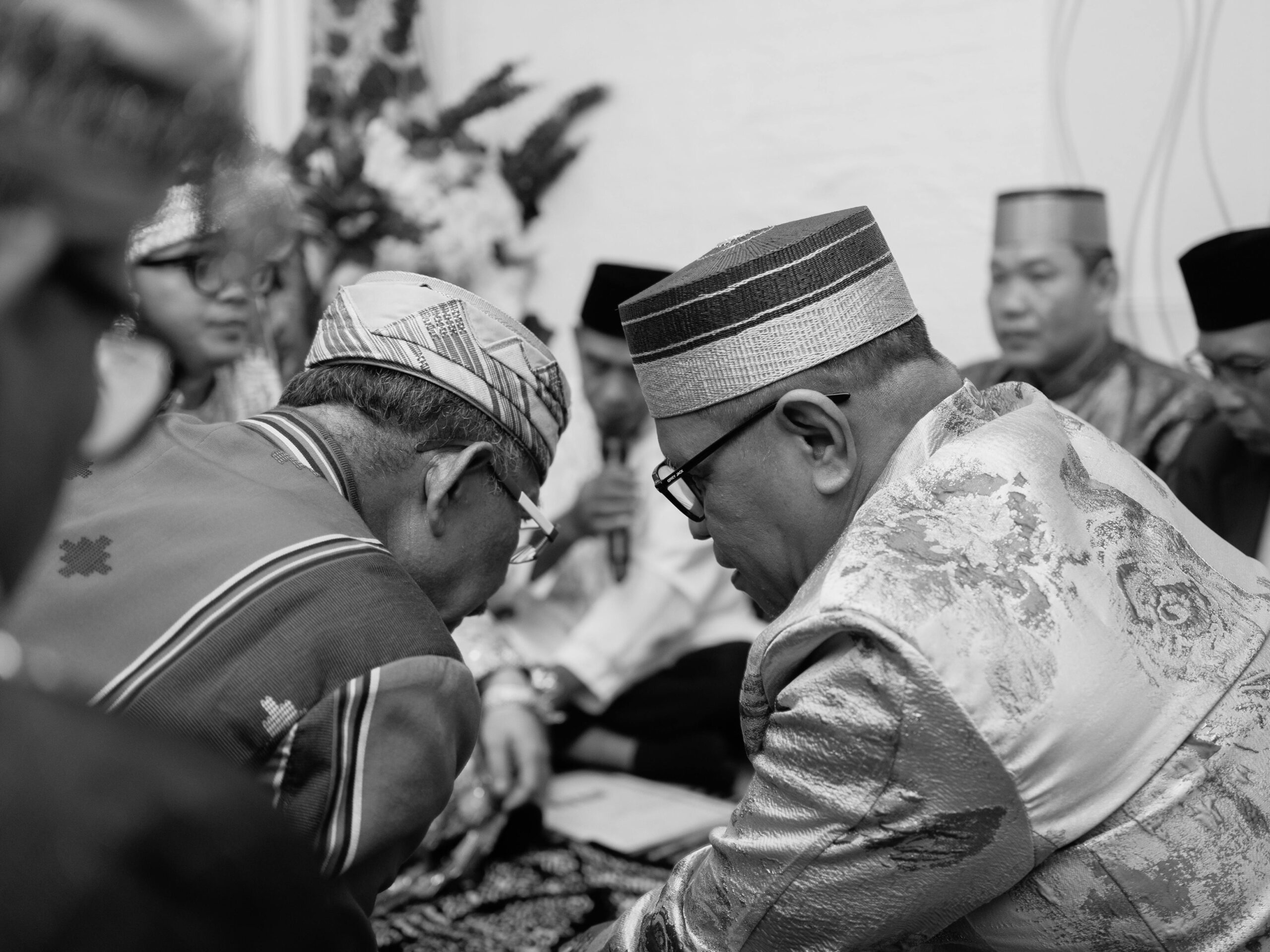
Heritage experience design transforms historical narratives into immersive journeys that resonate across generations, creating meaningful connections between past and present.

In an era where digital distractions compete for our attention, the art of crafting heritage experiences has emerged as a powerful medium for preserving cultural identity and fostering collective memory. Heritage experience design goes beyond traditional museum curation or historical preservation—it’s about creating emotional touchpoints that allow people to engage with history in deeply personal and transformative ways.
The discipline combines storytelling, spatial design, technology, and cultural interpretation to build experiences that don’t just educate but truly resonate. Whether it’s a restored historical building, an interactive museum exhibition, or a heritage trail through an ancient city, effective design creates moments that visitors carry with them long after their experience ends.
🏛️ Understanding the Foundation of Heritage Experience Design
Heritage experience design stands at the intersection of multiple disciplines. It requires an understanding of historical accuracy, cultural sensitivity, visitor psychology, and contemporary design principles. Unlike conventional design projects, heritage experiences carry the weight of authenticity and the responsibility of accurate representation.
The most successful heritage experiences recognize that people don’t just want to observe history—they want to feel it, understand it, and connect with it on a human level. This requires designers to move beyond static displays and informational plaques toward creating multisensory environments that engage visitors emotionally and intellectually.
Authenticity serves as the cornerstone of meaningful heritage experiences. Visitors today are sophisticated and can quickly detect superficial or commercialized interpretations of history. The challenge lies in balancing accessibility with authenticity, making heritage relevant to contemporary audiences without compromising its integrity or oversimplifying complex historical narratives.
The Psychology of Memory and Place
Memory formation occurs most powerfully when multiple senses are engaged simultaneously. Heritage experience designers leverage this neurological reality by creating environments that stimulate sight, sound, touch, and sometimes even smell and taste. These multisensory experiences create stronger neural pathways, making the memories more vivid and lasting.
Place attachment—the emotional bond people form with specific locations—plays a crucial role in heritage experience design. When visitors develop a sense of connection to a heritage site, they’re more likely to become advocates for its preservation and to share their experiences with others. This emotional investment transforms passive tourists into active participants in cultural conservation.
The concept of “resonance” in heritage interpretation refers to the moment when a historical narrative connects with a visitor’s personal experience or values. Skilled designers create opportunities for these moments by presenting stories that reveal universal human experiences—love, loss, courage, innovation—within specific historical contexts.
🎨 Design Principles for Timeless Heritage Experiences
Creating heritage experiences that stand the test of time requires adherence to fundamental design principles that prioritize substance over trends. While incorporating contemporary technology and design aesthetics can enhance accessibility, the core experience should remain anchored in the authentic historical narrative.
Layered Storytelling Approaches
Effective heritage experiences offer multiple layers of engagement to accommodate diverse visitor interests and knowledge levels. A family with young children, history enthusiasts, academic researchers, and casual tourists should all find value in the experience, though they may engage with it differently.
Surface-level narratives provide accessible entry points—the compelling stories that capture immediate interest. Deeper layers offer complexity for those who wish to explore further, revealing nuanced historical contexts, multiple perspectives, and scholarly interpretations. This layered approach prevents overwhelming novice visitors while satisfying experienced enthusiasts.
Personal stories humanize abstract historical events. Rather than presenting wars as military statistics, effective heritage design might focus on individual soldiers’ letters home. Instead of discussing industrial revolution timelines, it could showcase the daily life of a factory worker’s family. These human-scale narratives make history tangible and relatable.
Spatial Design and Visitor Flow
The physical journey through a heritage space significantly impacts the visitor experience. Thoughtful spatial design guides visitors through a carefully orchestrated narrative sequence while allowing for personal exploration and discovery. The architecture itself becomes part of the storytelling apparatus.
Moments of revelation—when visitors turn a corner to encounter an unexpected view or artifact—create memorable experiences. Strategic use of light, shadow, and spatial compression and release can heighten emotional impact. A narrow corridor might evoke the confined conditions of historical living spaces before opening into a grand hall that demonstrates social hierarchies.
Wayfinding in heritage spaces must balance clarity with atmosphere. Overly modern signage can break historical immersion, while insufficient guidance frustrates visitors. The solution often lies in designing wayfinding elements that complement the historical aesthetic while remaining functional and accessible.
Technology as an Enhancement Tool
Digital technology offers unprecedented opportunities for heritage experience design, but it must serve the story rather than overshadow it. The most effective implementations feel invisible, enhancing understanding without drawing attention to the technology itself.
Augmented reality applications can reconstruct damaged or destroyed heritage sites, allowing visitors to see buildings as they once stood. However, the implementation must respect the authenticity of the current site while clearly distinguishing between historical reality and digital reconstruction. Transparency about what is original and what is interpreted maintains visitor trust.
Interactive displays work best when they offer genuine agency rather than predetermined paths. Allowing visitors to explore historical documents, compare different historical accounts, or make decisions similar to those historical figures faced creates engagement and promotes critical thinking about historical narratives.
Audio guides have evolved from one-way information delivery systems to sophisticated storytelling tools. Modern approaches might include character-voiced narratives, ambient soundscapes that recreate historical environments, or location-triggered content that responds to where visitors stand within a space.
🌍 Cultural Sensitivity and Inclusive Narratives
Heritage experience design carries significant ethical responsibilities. The stories we choose to tell, the perspectives we prioritize, and the voices we amplify shape public understanding of history and influence contemporary cultural identity.
Traditional heritage interpretation often reflected dominant cultural narratives while marginalizing or ignoring alternative perspectives. Contemporary best practices demand inclusive approaches that acknowledge multiple viewpoints, particularly those of historically underrepresented communities.
Collaboration with descendant communities ensures that heritage sites representing specific cultural groups are interpreted authentically and respectfully. This collaborative approach recognizes that heritage “ownership” extends beyond legal title to include cultural stewardship and the rights of communities to represent their own histories.
Addressing Difficult Histories
Sites associated with conflict, oppression, or tragedy present particular challenges. Heritage designers must find ways to honor victims, acknowledge historical injustices, and promote understanding without creating exploitative or sensationalized experiences.
The concept of “memorial consciousness” guides design for difficult heritage sites. Rather than attempting to recreate traumatic experiences, designers focus on fostering reflection, empathy, and commitment to preventing future atrocities. Simplicity often proves more powerful than elaborate installations when addressing profound human suffering.
Providing appropriate context without justifying historical wrongs requires careful language and interpretive framing. Presenting multiple primary sources allows visitors to understand historical perspectives while contemporary commentary can situate those perspectives within broader ethical frameworks.
Sustainable Heritage Tourism
The success of a heritage experience can paradoxically threaten its preservation. Popular sites face degradation from visitor traffic, while the infrastructure required to accommodate tourism can compromise historical integrity. Sustainable design addresses these challenges proactively.
Visitor management strategies include capacity limits, timed entry systems, and designated pathways that protect vulnerable areas while maintaining access. Digital experiences can complement physical visits, allowing people to engage with heritage remotely and potentially reducing pressure on fragile sites.
Economic sustainability ensures heritage sites can maintain quality experiences over time. Revenue models might include admissions, memberships, events, or educational programs. However, financial considerations must never compromise the site’s historical integrity or create exclusionary access barriers.
📱 Digital Heritage Preservation and Access
Digital documentation technologies enable unprecedented preservation of heritage sites and artifacts. High-resolution 3D scanning, photogrammetry, and virtual reality create permanent records that survive physical deterioration and enable global access to heritage that might otherwise remain geographically limited.
Virtual heritage experiences expanded dramatically during recent global events that limited physical travel. While virtual experiences cannot fully replicate physical presence, they offer advantages including accessibility for people with mobility limitations, detailed views impossible in physical visits, and educational applications for remote learners.
Balancing digital access with the value of physical presence remains an ongoing conversation in heritage management. Physical sites offer irreplaceable atmospheric qualities and the emotional impact of standing in historically significant spaces. Digital platforms complement rather than replace these experiences, serving different purposes within a comprehensive heritage engagement strategy.
Measuring Success Beyond Visitor Numbers
Traditional metrics of visitor counts and revenue provide incomplete pictures of heritage experience effectiveness. More meaningful measures assess whether experiences achieve their cultural, educational, and preservation objectives.
Visitor research methodologies including surveys, interviews, and behavioral observation reveal how people engage with heritage experiences. Are they spending time reading interpretive content or rushing through? Do they discuss what they’ve learned with companions? Do they return for repeat visits or recommend the experience to others?
Long-term impact studies track whether heritage experiences influence attitudes, behaviors, or knowledge over time. Does visiting a heritage site increase support for preservation funding? Do students who participate in heritage education programs demonstrate improved historical understanding? These outcomes matter more than momentary entertainment value.
🎭 The Future of Heritage Experience Design
Emerging technologies continue expanding possibilities for heritage engagement. Artificial intelligence might enable conversational interactions with historical figures based on their documented writings and speeches. Haptic technology could allow visitors to “feel” historical artifacts without risking damage to originals. Biometric sensing might adapt experiences to individual visitor responses in real-time.
Climate change presents urgent challenges for heritage preservation. Rising sea levels, extreme weather events, and changing ecosystems threaten countless heritage sites worldwide. Experience designers must consider how to document and interpret sites that may not survive, creating digital records and preparing for scenarios where virtual experiences become the only access to lost heritage.
Generational shifts in media consumption and learning preferences require heritage experiences to evolve while maintaining core principles. Younger audiences expect interactivity, personalization, and social sharing opportunities. However, these contemporary expectations must be met in ways that enhance rather than detract from authentic heritage engagement.
Crafting Your Own Heritage Narrative
Heritage experience design principles apply beyond professional museum settings. Community heritage projects, family history preservation, and local historical societies all benefit from thoughtful experience design approaches.
Documenting oral histories from older community members preserves invaluable perspectives before they’re lost. These personal narratives provide texture and humanity to historical events documented in official records. Recording and archiving these stories ensures future generations can access them.
Local heritage trails transform everyday spaces into learning environments. Interpretive markers, audio tours, or mobile apps can reveal the historical significance of buildings, landscapes, or neighborhoods that residents pass daily without recognizing their heritage value. These projects foster community pride and historical awareness.
Personal heritage projects connecting family histories to broader historical narratives create meaningful learning experiences for younger generations. Understanding how ancestors experienced historical events makes those events more tangible and relevant. These projects also preserve family memories that might otherwise be forgotten.
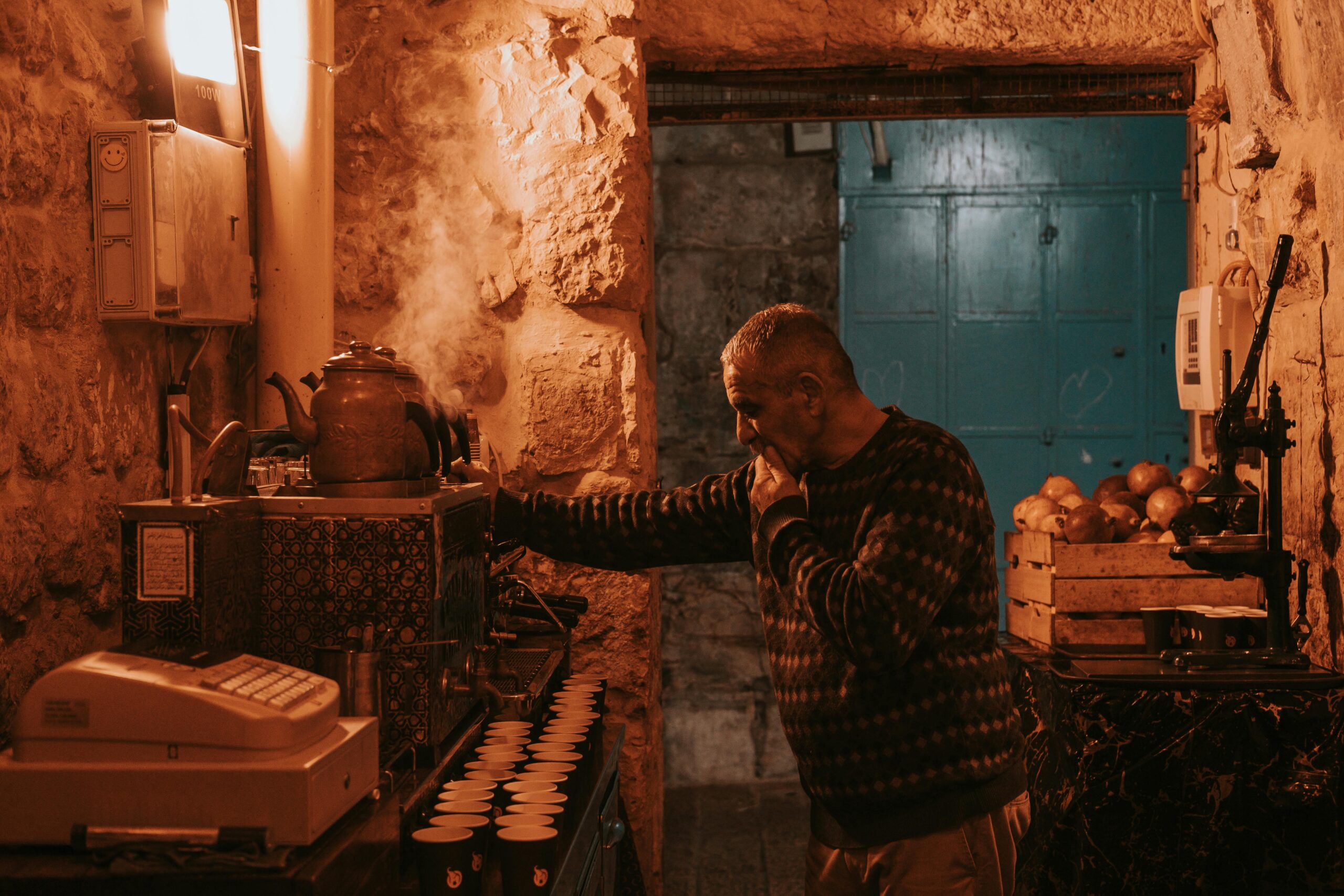
✨ Creating Lasting Impact Through Thoughtful Design
The most powerful heritage experiences change how people see themselves and their relationship to history. Rather than positioning the past as separate from contemporary life, effective design reveals continuities, demonstrates how historical events shape present circumstances, and empowers visitors to see themselves as part of ongoing historical narratives.
Heritage experience design requires patience, research, and commitment to authenticity. Quick commercial approaches may generate immediate revenue but rarely create the depth of engagement that builds lasting support for heritage preservation. Investing in quality experiences yields returns measured in cultural impact rather than just financial metrics.
Collaboration across disciplines strengthens heritage experiences. Historians provide content expertise, designers create engaging presentations, educators ensure accessibility, technologists enable innovative interactions, and community members contribute lived experiences and cultural knowledge. No single perspective can create comprehensive heritage experiences alone.
As we move forward in an increasingly digital and globalized world, heritage experiences serve crucial functions in maintaining cultural diversity and connection to place. They remind us that human experiences across time share fundamental commonalities while honoring the specific contexts that make each culture unique.
The art of crafting timeless memories through heritage experience design ultimately celebrates our shared humanity. It acknowledges that understanding where we’ve been provides essential context for deciding where we’re going. Every thoughtfully designed heritage experience contributes to this larger project of cultural continuity, ensuring that the lessons, achievements, and cautionary tales of the past inform the choices of the future.
Whether you’re a professional designer, heritage manager, educator, or simply someone passionate about preserving history, the principles of heritage experience design offer frameworks for creating meaningful connections across time. The memories we craft today become the heritage of tomorrow, continuing the timeless cycle of human storytelling and cultural transmission.