Digital archiving offers a revolutionary way to preserve oral traditions, ensuring that the voices and stories of our ancestors remain accessible for generations to come. 📚

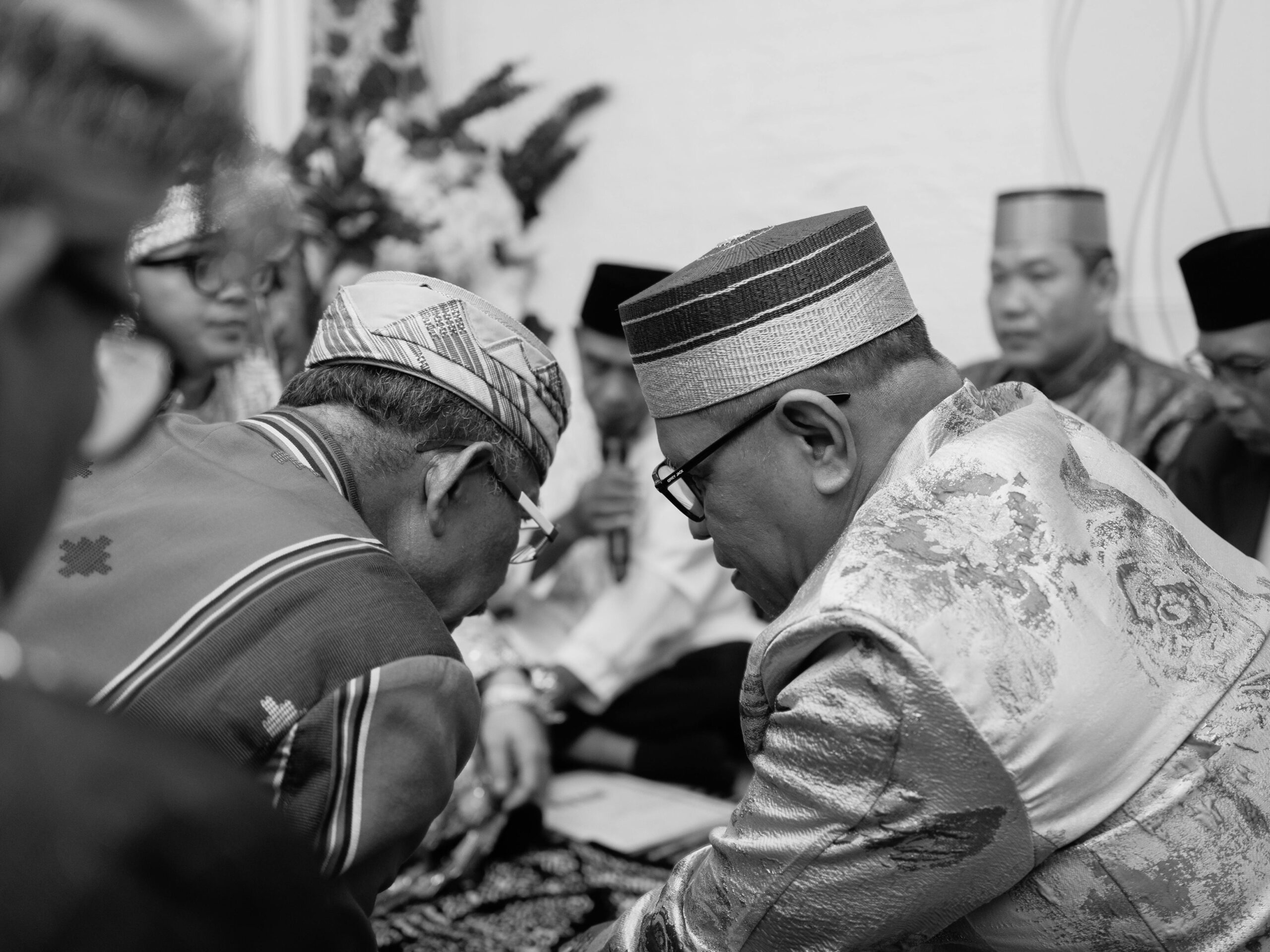
Throughout human history, oral traditions have served as the primary means of passing down knowledge, culture, and identity from one generation to the next. These spoken narratives contain invaluable wisdom, historical accounts, cultural practices, and linguistic diversity that define communities worldwide. However, as languages disappear and elders pass away, we face an unprecedented risk of losing these irreplaceable cultural treasures forever.
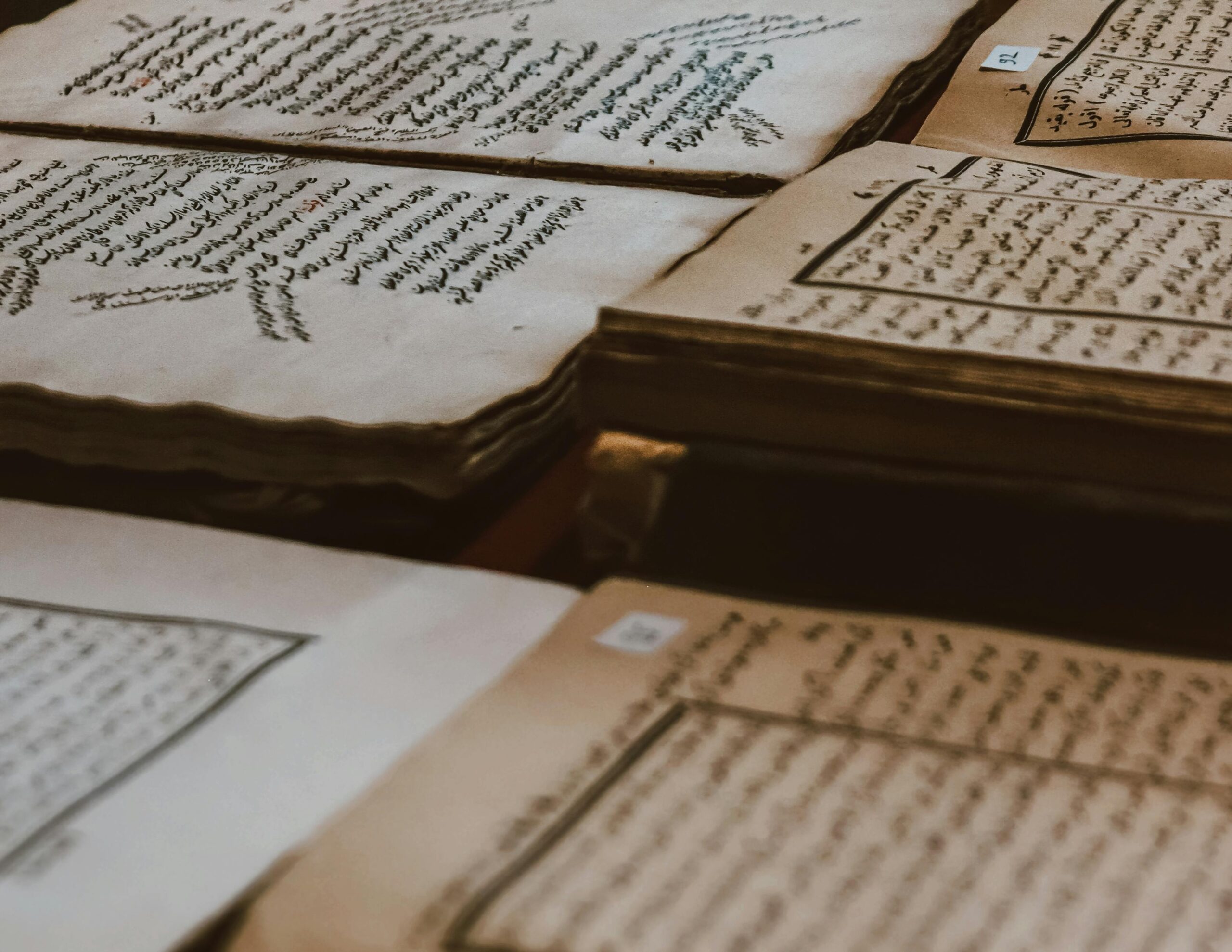
The digital revolution has provided us with powerful tools to combat this cultural erosion. Through digital archiving, we can capture, preserve, and share oral traditions in ways our ancestors could never have imagined. This technology-driven approach doesn’t just save stories—it breathes new life into them, making them accessible to researchers, descendants, and curious minds across the globe.
🎙️ Understanding the Urgency of Preserving Oral Traditions
Every two weeks, a language dies somewhere in the world, taking with it an entire universe of stories, knowledge, and cultural identity. Oral traditions represent the living memory of communities, containing everything from creation myths and historical events to medicinal knowledge and agricultural practices passed down through countless generations.
Unlike written records, oral traditions rely entirely on human memory and the willingness of younger generations to learn from their elders. In our rapidly modernizing world, younger people often migrate to cities, adopt dominant languages, and lose connection with their ancestral cultures. This generational disconnect creates an urgent need for intervention before these precious narratives disappear completely.
Indigenous communities face particular vulnerability in this regard. Their oral traditions often contain sophisticated environmental knowledge, sustainable living practices, and philosophical insights that modern society desperately needs. When these traditions vanish, humanity loses not just cultural diversity but practical wisdom accumulated over millennia.
The Transformative Power of Digital Archiving
Digital archiving technology has fundamentally changed how we approach cultural preservation. High-quality audio and video recording equipment, now more affordable and accessible than ever, allows us to capture oral traditions with remarkable fidelity. These digital files can be duplicated infinitely without degradation, stored in multiple locations for redundancy, and shared instantly across vast distances.
Modern digital archives do more than simply record voices. They create comprehensive multimedia repositories that include contextual information, translations, transcriptions, and metadata that make these traditions searchable and understandable to diverse audiences. This layered approach ensures that future researchers and community members can access not just the stories themselves but also the cultural context that gives them meaning.
Key Advantages of Digital Preservation Methods
Digital archiving offers several critical advantages over traditional preservation methods. The technology allows for multi-sensory documentation, capturing not just words but also the vocal inflections, facial expressions, gestures, and environmental sounds that give oral traditions their full richness and emotional impact.
- Accessibility: Digital archives can be accessed remotely by anyone with internet connectivity, democratizing access to cultural knowledge
- Durability: When properly maintained and backed up, digital files can outlast physical media by centuries
- Searchability: Advanced indexing and tagging systems make it easy to find specific stories, themes, or speakers within vast archives
- Enhancement possibilities: Audio restoration software can improve the quality of recordings, removing background noise and clarifying voices
- Interactive features: Digital platforms can include translations, annotations, maps, and supplementary materials that enrich understanding
- Cost-effectiveness: Once established, digital storage costs significantly less than maintaining physical archives
🌍 Real-World Impact: Digital Archiving Success Stories
Around the world, digital archiving projects have demonstrated remarkable success in preserving endangered oral traditions. The Digital Himalaya Project has documented the cultures of Himalayan communities, creating accessible archives that serve both academic research and community cultural revitalization efforts. Similarly, the Smithsonian’s Recovering Voices initiative has partnered with indigenous communities to document languages and oral traditions on the brink of extinction.
In Australia, Aboriginal communities have embraced digital archiving to preserve their Dreamtime stories and songlines—oral maps that encode geographical and spiritual knowledge across vast territories. These digital projects have empowered communities to control their own narratives while sharing appropriate content with wider audiences, demonstrating how technology can serve indigenous self-determination.
African oral traditions, including griots’ historical narratives and traditional knowledge systems, have found new life through digital preservation initiatives. Organizations across the continent are working with storytellers to record their repertoires, creating resources that support education, cultural tourism, and intergenerational knowledge transfer.
Essential Technologies for Oral Tradition Archiving
Successful digital archiving requires appropriate technology matched to specific preservation goals. The right equipment and software can make the difference between a professional-quality archive and one that fails to capture the essence of oral traditions.
Recording Equipment and Software
High-quality audio recording remains fundamental to oral tradition preservation. Modern digital recorders offer broadcast-quality audio in compact, affordable packages. Lapel microphones minimize background noise while capturing clear voices, and portable recording setups allow documentation in natural settings where stories traditionally unfold.
Video recording adds crucial visual dimensions, capturing the performance aspects of oral traditions. Many stories involve gestures, dance, costume, and environmental elements that audio alone cannot convey. High-definition video cameras or even advanced smartphones can produce archival-quality footage when used correctly.
Storage Solutions and Cloud Platforms
Digital preservation requires robust storage strategies. The “3-2-1 rule” recommends maintaining three copies of all files, on two different media types, with one copy stored off-site. Cloud storage services provide secure, geographically distributed backup that protects against local disasters while enabling collaborative access for archiving teams.
Specialized digital archive management systems organize collections with sophisticated metadata, version control, and access management features. These platforms ensure that archives remain navigable and useful as they grow, preventing valuable recordings from becoming lost in digital clutter.
📖 Best Practices for Documenting Oral Traditions
Technical capability alone doesn’t guarantee successful oral tradition preservation. Ethical, culturally sensitive approaches must guide every archiving project to ensure respect for knowledge holders and their communities.
Community Collaboration and Consent
Effective oral tradition archiving begins with genuine partnership with communities. Knowledge holders must understand how their stories will be recorded, stored, and shared. Free, prior, and informed consent processes ensure that communities maintain control over their cultural heritage while benefiting from preservation efforts.
Many indigenous communities have developed their own cultural protocols governing who can share certain stories, during what seasons, and with which audiences. Digital archiving projects must honor these protocols, incorporating access restrictions and usage guidelines that reflect community values rather than imposing external frameworks.
Capturing Context Along with Content
Oral traditions exist within rich cultural contexts that give them meaning. Effective archiving documents not just the stories themselves but also information about the storyteller, the occasion, the audience, and the cultural significance of the narrative. This contextual metadata transforms raw recordings into comprehensible cultural resources.
Interviews with storytellers about their traditions, the origins of specific narratives, and their cultural roles add invaluable depth to archives. These conversations help future users understand how stories functioned within living cultures rather than treating them as isolated curiosities.
Overcoming Challenges in Digital Preservation
Despite its tremendous potential, digital archiving faces several significant challenges that require thoughtful solutions. Understanding these obstacles helps organizations develop more robust preservation strategies.
Technology Obsolescence
Digital formats and storage media evolve rapidly, creating risks of technological obsolescence. Files stored in proprietary formats may become inaccessible as software companies discontinue support. This challenge requires active management, with archives periodically migrating content to current formats and storage systems.
Open-source formats and standards-based approaches provide greater longevity than proprietary solutions. Organizations like the Library of Congress maintain recommended format specifications that prioritize long-term preservation over short-term convenience.
Digital Divide and Access Equity
While digital archiving can democratize access to cultural heritage, it can also create new inequalities. Communities that lack reliable internet connectivity, digital literacy, or appropriate devices may find themselves excluded from their own archived traditions. Preservation projects must consider how to serve diverse audiences with varying technological capacities.
Hybrid approaches that combine digital archives with physical access points—such as community listening stations, mobile devices preloaded with content, or locally hosted servers—help bridge digital divides. These strategies ensure that digital preservation serves communities rather than creating new barriers to cultural knowledge.
🎯 Creating Meaningful Engagement with Archived Traditions
Preservation alone doesn’t ensure that oral traditions remain living cultural forces. Digital archives achieve their full potential when they inspire engagement, learning, and cultural revitalization among contemporary audiences.
Educational Integration
Digital oral tradition archives offer powerful educational resources. Schools can incorporate local stories into curricula, connecting students with their cultural heritage while teaching literacy, history, and ethical reasoning. Interactive digital platforms allow students to explore archives independently, following their curiosity through interconnected stories and themes.
Language learning programs benefit tremendously from archived oral traditions, which provide authentic examples of living speech, vocabulary in context, and cultural knowledge that makes language meaningful. Learners can hear multiple speakers, compare storytelling styles, and develop comprehension skills through repeated exposure to recorded narratives.
Creative Reinterpretation and Cultural Innovation
Oral traditions have always evolved through creative reinterpretation. Digital archives support this living tradition by providing source material for contemporary artists, writers, musicians, and filmmakers who reimagine traditional narratives for modern audiences. These creative engagements keep traditions relevant while respecting their origins.
Some communities have created multimedia projects that combine archived oral traditions with contemporary art forms, producing exhibitions, performances, and publications that spark intergenerational dialogue. These projects demonstrate how preservation can fuel cultural vitality rather than simply documenting the past.
Building Sustainable Archiving Initiatives
Long-term success in digital oral tradition preservation requires sustainable institutional frameworks. One-time documentation projects, however well-intentioned, cannot ensure ongoing preservation and access without sustained support and planning.
Funding and Resource Development
Digital archiving requires ongoing investment in equipment, storage, personnel, and technology updates. Successful projects develop diverse funding streams including grants, institutional partnerships, community fundraising, and revenue-generating activities like cultural tourism or educational licensing.
Training community members in archiving skills builds local capacity while creating employment opportunities. When communities possess the technical knowledge to maintain their own archives, preservation becomes genuinely sustainable rather than dependent on external experts.
Legal and Rights Management Frameworks
Clear legal frameworks protect both archival organizations and communities. Written agreements should specify how recordings can be used, who holds intellectual property rights, how benefits from commercial use will be shared, and how access restrictions will be implemented and enforced.
Traditional copyright frameworks often fail to accommodate collective cultural ownership and intergenerational knowledge transmission. Some communities have developed alternative rights frameworks, such as Traditional Knowledge licenses, that better reflect indigenous concepts of cultural stewardship.
💡 The Future of Oral Tradition Preservation
Emerging technologies promise even more powerful tools for preserving and engaging with oral traditions. Artificial intelligence can assist with transcription and translation, making archives more searchable and accessible across language barriers. Virtual and augmented reality technologies could recreate the immersive contexts in which stories traditionally unfolded, allowing future audiences to experience oral traditions with unprecedented depth.
Blockchain technology offers possibilities for creating tamper-proof provenance records and managing access rights through smart contracts. These innovations could address some persistent challenges in digital archiving while creating new opportunities for community-controlled cultural heritage management.
However, technology should always serve cultural preservation goals rather than driving them. The most sophisticated systems mean nothing if they fail to honor community values, preserve authentic voices, or facilitate meaningful engagement with traditions. Human relationships, ethical commitments, and cultural sensitivity remain more important than any technical capability.
Taking Action: Starting Your Own Preservation Project
Anyone with a smartphone can begin documenting oral traditions in their own communities. Start by identifying elders willing to share their stories, then simply record conversations about their lives, cultural practices, and traditional knowledge. Even informal documentation creates valuable resources for future generations.
More ambitious projects benefit from partnerships with libraries, universities, cultural organizations, or technology companies that can provide expertise, equipment, and archival infrastructure. Many institutions actively seek community partnerships and offer grants or technical support for cultural preservation initiatives.
The most important step is simply beginning. Every recorded story represents a victory against cultural erasure. Every archived voice speaks to future generations who might otherwise never hear these precious narratives. Digital archiving technology has given us unprecedented power to preserve oral traditions—now we must exercise the will to use it.

🌟 Honoring the Past, Enriching the Future
Digital archiving of oral traditions represents more than technological progress—it embodies a profound commitment to cultural diversity, intergenerational justice, and human heritage. When we preserve the voices of storytellers, we affirm that every culture has value, that wisdom takes many forms, and that future generations deserve access to the full richness of human experience.
These digital archives will serve needs we cannot yet imagine, answering questions future researchers haven’t thought to ask and inspiring creative works not yet conceived. They will reconnect diaspora communities with ancestral homelands, support language revitalization efforts, and provide solace to those seeking connection with their heritage.
The stories preserved today through digital archiving will echo across centuries, carrying forward the wisdom, humor, sorrow, and hope of countless generations. In protecting these oral traditions, we ensure that human culture remains diverse, that forgotten voices find hearing, and that the future remains connected to the deep roots of our shared past. This work is not merely preservation—it is an act of love, responsibility, and faith in generations yet to come.