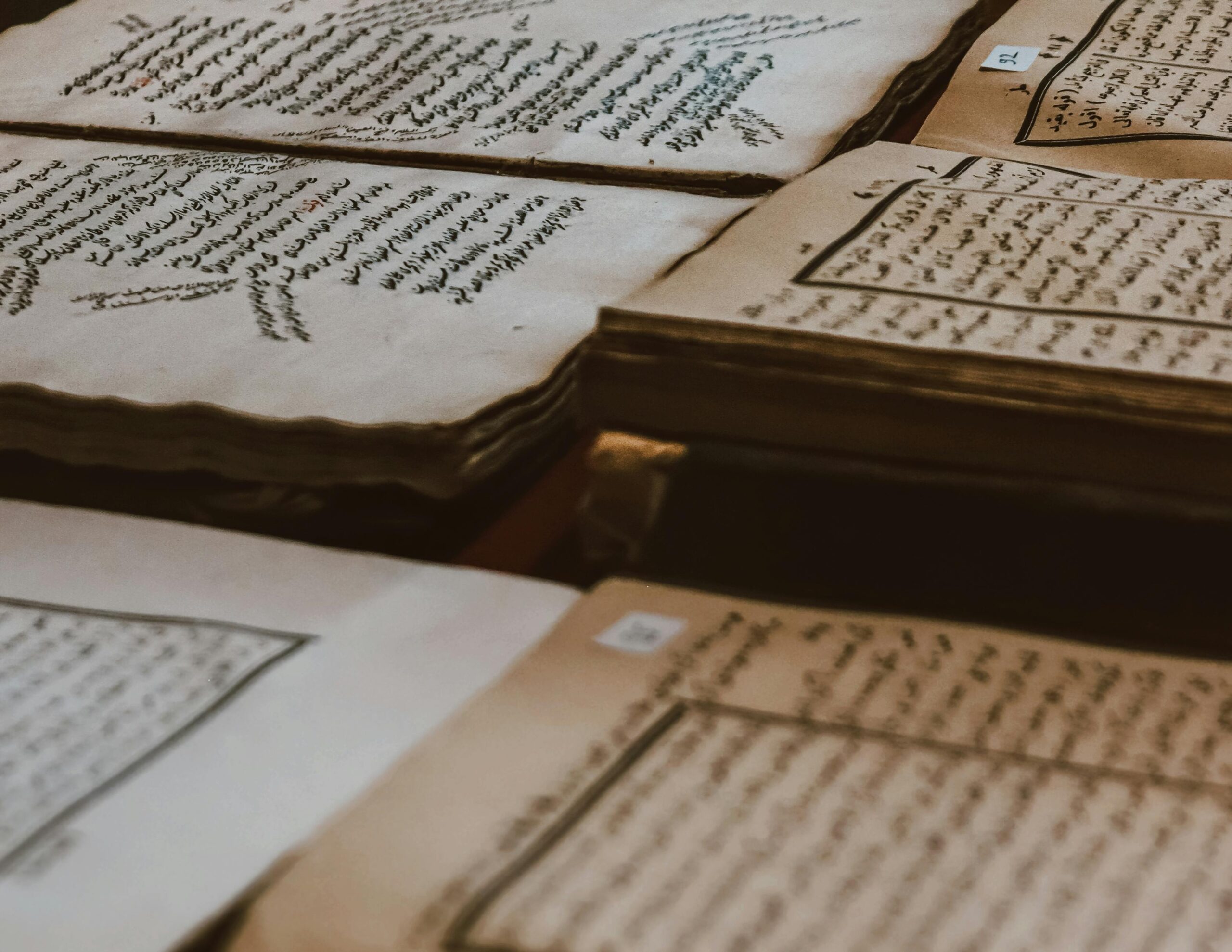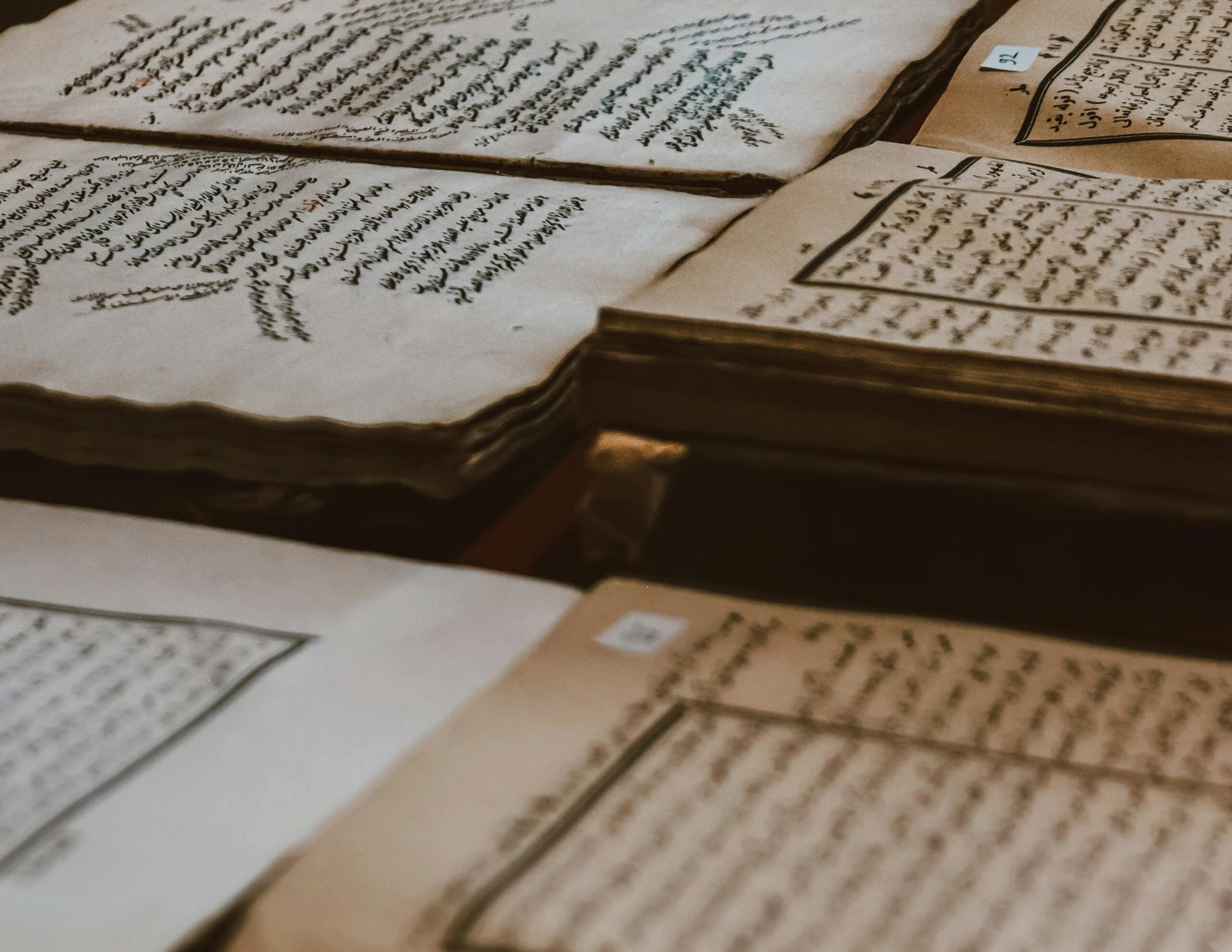
Blockchain technology is revolutionizing how we authenticate and preserve cultural heritage, offering unprecedented security and transparency for artifacts, artworks, and historical records worldwide.

🔐 The Authentication Crisis in Cultural Heritage
The global heritage sector faces a mounting crisis of authenticity. Museums, collectors, and cultural institutions struggle with forgeries, stolen artifacts, and dubious provenance records that undermine trust and value. Traditional paper-based documentation systems are vulnerable to manipulation, loss, and degradation over time. Authentication experts estimate that up to 40% of artifacts in some markets may be misrepresented or fraudulent.
This authentication challenge extends beyond monetary concerns. When historical objects lack verified provenance, entire narratives about civilizations, artistic movements, and cultural evolution become questionable. The emotional and educational value of heritage items depends critically on their authenticity. Without reliable verification systems, future generations risk inheriting a distorted understanding of human history.
Blockchain technology emerges as a powerful solution to these long-standing problems. By creating immutable, transparent, and decentralized records, blockchain systems can establish definitive digital identities for physical heritage objects. This technological approach transforms how institutions document, track, and verify cultural treasures.
📜 How Blockchain Creates Unforgeable Heritage Records
Blockchain operates as a distributed ledger where information is stored across multiple nodes rather than in a single centralized database. When applied to heritage verification, each artifact receives a unique digital identity recorded on the blockchain. This identity contains comprehensive provenance information, ownership history, authentication certificates, and condition reports.
The immutability of blockchain records provides the foundation for trustworthy heritage documentation. Once information is added to the blockchain, it cannot be altered or deleted without detection. Any attempted modification would require consensus from the majority of network participants, making fraudulent changes virtually impossible. This permanence ensures that provenance records remain intact for centuries.
Smart contracts add another layer of functionality to blockchain heritage systems. These self-executing programs automatically enforce rules and conditions related to artifact ownership, transfer, and display. For instance, a smart contract might stipulate that an indigenous artifact can only be displayed with appropriate cultural context, or that descendants maintain certain rights regardless of ownership transfers.
Creating Digital Twins for Physical Heritage
Modern blockchain implementations for heritage preservation often incorporate digital twin technology. Each physical artifact receives a comprehensive digital representation stored on the blockchain, including high-resolution photographs, 3D scans, spectroscopic analysis, and detailed measurements. These digital twins serve multiple purposes beyond authentication.
Digital twins enable virtual exhibitions, allowing global audiences to experience rare artifacts without risking damage through transport or handling. They also provide invaluable insurance against physical loss or destruction. When cultural sites face natural disasters or conflict, blockchain-based digital records ensure that detailed documentation survives even if the original objects are destroyed.
🏛️ Real-World Applications Transforming Heritage Management
Several pioneering institutions have already implemented blockchain solutions for heritage verification. The British Museum collaborated with blockchain developers to create transparent provenance records for contested artifacts, providing public access to acquisition histories and ownership chains. This transparency helps address repatriation concerns and demonstrates institutional commitment to ethical stewardship.
In Italy, blockchain technology protects against art fraud by registering contemporary artworks before they enter the market. Artists receive blockchain certificates at the point of creation, establishing definitive authenticity that follows the work throughout its lifetime. This preemptive approach prevents forgeries before they can confuse the market.
Archaeological excavations benefit significantly from blockchain documentation systems. As artifacts emerge from dig sites, researchers immediately register them with detailed contextual information including exact location coordinates, stratigraphic layer, associated finds, and initial condition assessments. This comprehensive documentation prevents information loss and establishes scientific credibility that traditional paper records cannot match.
Indigenous Heritage and Cultural Sovereignty
Blockchain technology empowers indigenous communities to maintain control over their cultural heritage. Traditional knowledge, sacred objects, and cultural practices can be documented on blockchain systems that respect tribal governance and access restrictions. These systems allow communities to establish authoritative records while controlling who can view, use, or reference their cultural information.
Several indigenous groups now use blockchain platforms to register cultural heritage items held by external institutions, asserting ongoing cultural ownership even when physical possession resides elsewhere. These digital assertions support repatriation claims and ensure that communities maintain connections to dispersed heritage collections.
🔍 Technical Components of Heritage Blockchain Systems
Effective blockchain systems for heritage verification incorporate several specialized technical components. High-resolution imaging captures minute surface details that serve as unique identifiers, similar to fingerprints. Multispectral analysis reveals underlying layers, previous restorations, and material compositions that help authenticate age and origin.
Cryptographic hashing converts all this information into unique digital signatures. Even microscopic changes to an object would produce completely different hash values, making substitutions immediately detectable. When combined with blockchain’s immutability, these cryptographic identifiers create virtually unforgeable authentication systems.
Timestamping protocols establish exactly when information entered the blockchain, creating verifiable chronologies for provenance documentation. This temporal precision helps resolve ownership disputes and establishes priority claims when multiple parties assert rights to the same heritage item.
Interoperability Between Heritage Institutions
One of blockchain’s most valuable features for heritage management is its potential for cross-institutional interoperability. Different museums, archives, and cultural organizations can participate in shared blockchain networks, creating comprehensive heritage ecosystems. An artifact’s blockchain record remains accessible and verifiable regardless of which institution currently holds the physical object.
This interoperability facilitates collaborative research, loan agreements, and traveling exhibitions. Institutions can instantly verify authenticity and condition histories without lengthy correspondence or trust-based relationships. The blockchain serves as a neutral, authoritative source of truth that all participants can rely upon.
💡 Overcoming Implementation Challenges
Despite its promise, blockchain adoption in the heritage sector faces significant challenges. Many cultural institutions operate with limited budgets and lack technical expertise to implement blockchain systems independently. The initial costs of digitization, including high-quality imaging and metadata creation, can be prohibitive for smaller museums and community archives.
Standardization represents another major hurdle. The heritage sector encompasses diverse object types, documentation standards, and institutional practices. Creating blockchain systems that accommodate ancient manuscripts, archaeological artifacts, ethnographic collections, and contemporary art requires flexible frameworks that can adapt to varied needs without sacrificing interoperability.
Cultural sensitivity concerns also arise when implementing technological solutions for heritage management. Some communities view digitization and blockchain registration as inappropriate for sacred objects or culturally sensitive materials. Successful implementations require extensive consultation and respect for cultural protocols that may limit technological access.
Energy Consumption and Sustainability Concerns
Traditional blockchain systems like those supporting cryptocurrencies consume enormous amounts of energy, raising sustainability questions for heritage applications. Cultural institutions committed to environmental responsibility may hesitate to adopt technologies with significant carbon footprints.
Newer blockchain architectures address these concerns through alternative consensus mechanisms that require far less computational power. Proof-of-stake systems and private or consortium blockchains offer energy-efficient alternatives suitable for heritage applications. These implementations maintain security and immutability while dramatically reducing environmental impact.
🌍 Democratizing Access to Cultural Heritage
Blockchain-based heritage systems create unprecedented opportunities for public engagement. When provenance records and artifact information exist on transparent blockchains, anyone with internet access can explore heritage collections, verify authenticity, and learn about cultural treasures. This democratization of access transforms cultural heritage from an elite preserve to a genuinely public resource.
Educational institutions leverage blockchain heritage records to create immersive learning experiences. Students can trace artifacts from archaeological discovery through conservation treatments to museum display, understanding the complete lifecycle of cultural objects. This transparency demystifies museum practices and builds public trust in cultural institutions.
Blockchain verification also supports cultural tourism by providing travelers with authenticated information about heritage sites and objects. Visitors can scan QR codes to access blockchain-verified histories, ensuring that the information they receive is accurate and authoritative rather than speculative or commercial.
🛡️ Combating the Illicit Antiquities Trade
The illegal trade in cultural artifacts represents a multi-billion dollar criminal enterprise that funds terrorism, organized crime, and conflict. Blockchain technology offers powerful tools for disrupting these illicit networks by making legitimate provenance impossible to fake and suspicious gaps in ownership history immediately apparent.
International law enforcement agencies increasingly advocate for blockchain adoption as a weapon against heritage crime. When properly implemented, blockchain systems create comprehensive audit trails that expose looted artifacts and stolen art. Dealers and collectors cannot simply fabricate convincing provenance documents when the entire market operates on verifiable blockchain records.
Several countries now require blockchain registration for high-value antiquities exports, creating digital borders that illegal artifacts cannot cross undetected. These regulations increasingly align with international heritage protection agreements, creating global networks that track cultural property movements and flag suspicious transactions.
🔮 Future Developments in Blockchain Heritage Systems
The convergence of blockchain with other emerging technologies promises even more sophisticated heritage protection systems. Artificial intelligence algorithms can analyze blockchain records to detect patterns suggesting forgery networks or systematic looting. Machine learning systems trained on authenticated artifacts can flag suspicious items before they enter markets or collections.
Augmented reality applications connected to blockchain heritage records will enable immersive experiences where visitors can visualize artifacts in their original contexts. A museum visitor examining a medieval manuscript might use AR glasses to see blockchain-verified information about its creation, use, and preservation, overlaid directly on the physical object.
Quantum-resistant cryptography development ensures that blockchain heritage records remain secure even as computing technology advances. As quantum computers potentially threaten current cryptographic methods, heritage blockchain systems are being designed with future-proof security that will protect records for centuries.
Tokenization and Fractional Heritage Ownership
Blockchain enables innovative approaches to heritage funding through tokenization. Cultural institutions can create digital tokens representing fractional ownership or support stakes in heritage preservation projects. Supporters worldwide can participate in conservation efforts, receiving tokens that grant voting rights on display decisions or special access to documentation.
This tokenization approach generates funding for undercapitalized institutions while building engaged global communities around specific heritage items or collections. Token holders become stakeholders in preservation efforts, creating sustainable funding models that don’t depend solely on government support or private donors.
⚖️ Ethical Considerations and Governance Models
Implementing blockchain heritage systems requires careful attention to ethical implications and governance structures. Who controls the blockchain? What information should be public versus restricted? How are disputes resolved when blockchain records conflict with traditional documentation? These questions demand thoughtful answers developed through inclusive consultation with diverse stakeholders.
Governance models for heritage blockchains typically involve consortiums representing museums, cultural communities, academic institutions, and government agencies. These multi-stakeholder approaches ensure that no single entity controls heritage information while maintaining accountability and ethical standards.
Privacy protections must balance transparency with legitimate confidentiality needs. Security-sensitive information about artifact locations or indigenous sacred knowledge requires access controls that blockchain systems can implement through permissioned networks and encryption. Public transparency about provenance and authenticity coexists with appropriate privacy protections.

🚀 Taking the Next Steps Toward Blockchain Heritage Protection
Cultural institutions considering blockchain adoption should begin with pilot projects focused on specific collections or object types. These limited implementations allow staff to develop expertise, identify challenges, and demonstrate value before committing to comprehensive systems. Successful pilots build institutional support and justify resource allocation for broader implementation.
Collaboration with technology partners who understand both blockchain capabilities and heritage sector needs is essential. The most successful implementations result from genuine partnerships where technologists learn about conservation, provenance research, and cultural sensitivity while heritage professionals gain blockchain literacy.
Investment in training ensures that blockchain heritage systems remain sustainable and effective. Staff members need skills to create high-quality digital records, understand blockchain verification processes, and communicate the technology’s value to diverse audiences. This human capacity building is as important as the technical infrastructure itself.
The preservation of cultural heritage represents humanity’s commitment to maintaining connections with the past while building bridges to the future. Blockchain technology offers unprecedented tools for fulfilling this responsibility, creating authentication systems that future generations can trust. As implementation challenges are overcome and systems mature, blockchain-verified heritage records will become the global standard, ensuring that our shared cultural treasures remain authentic, accessible, and protected for centuries to come.