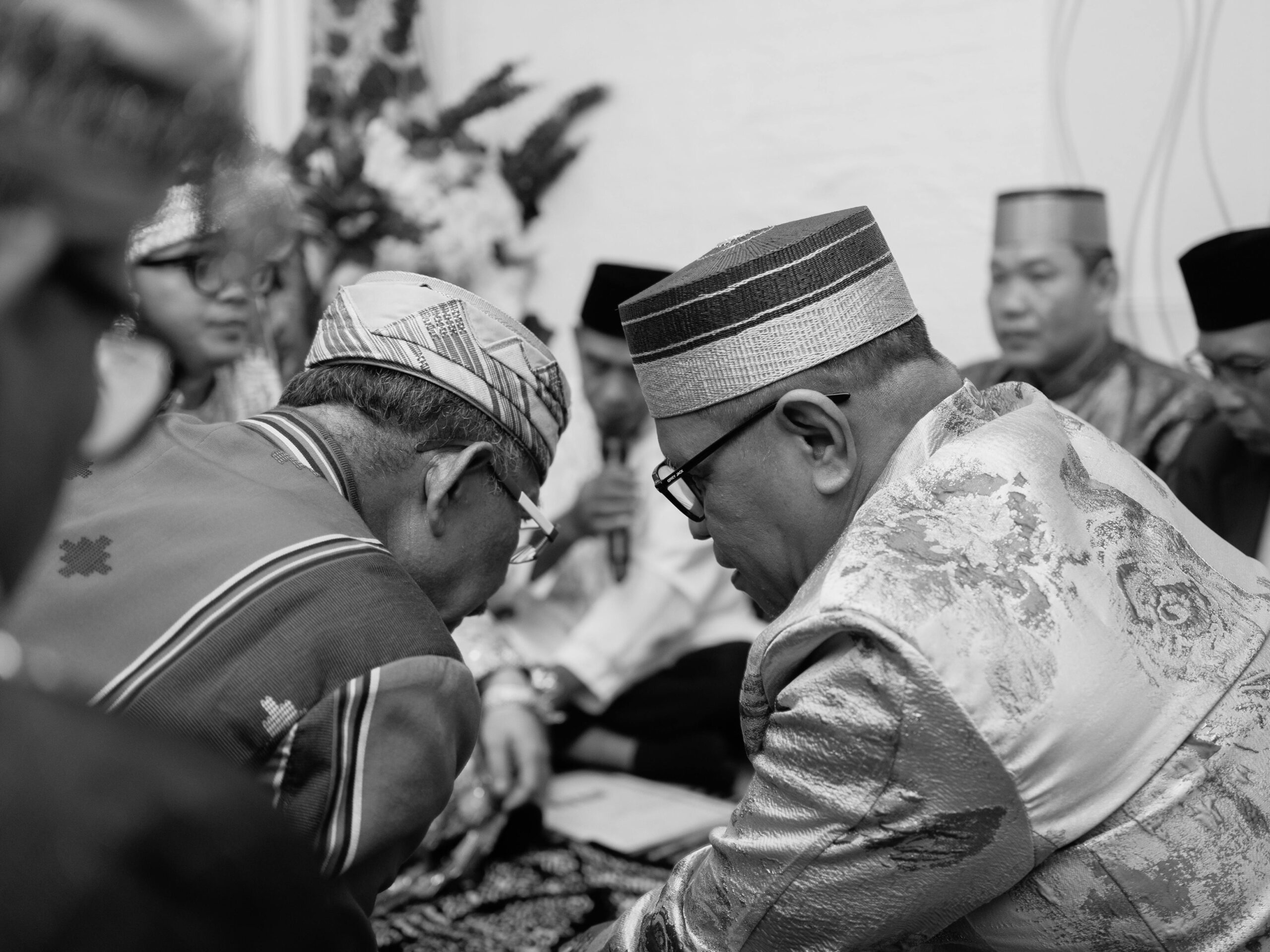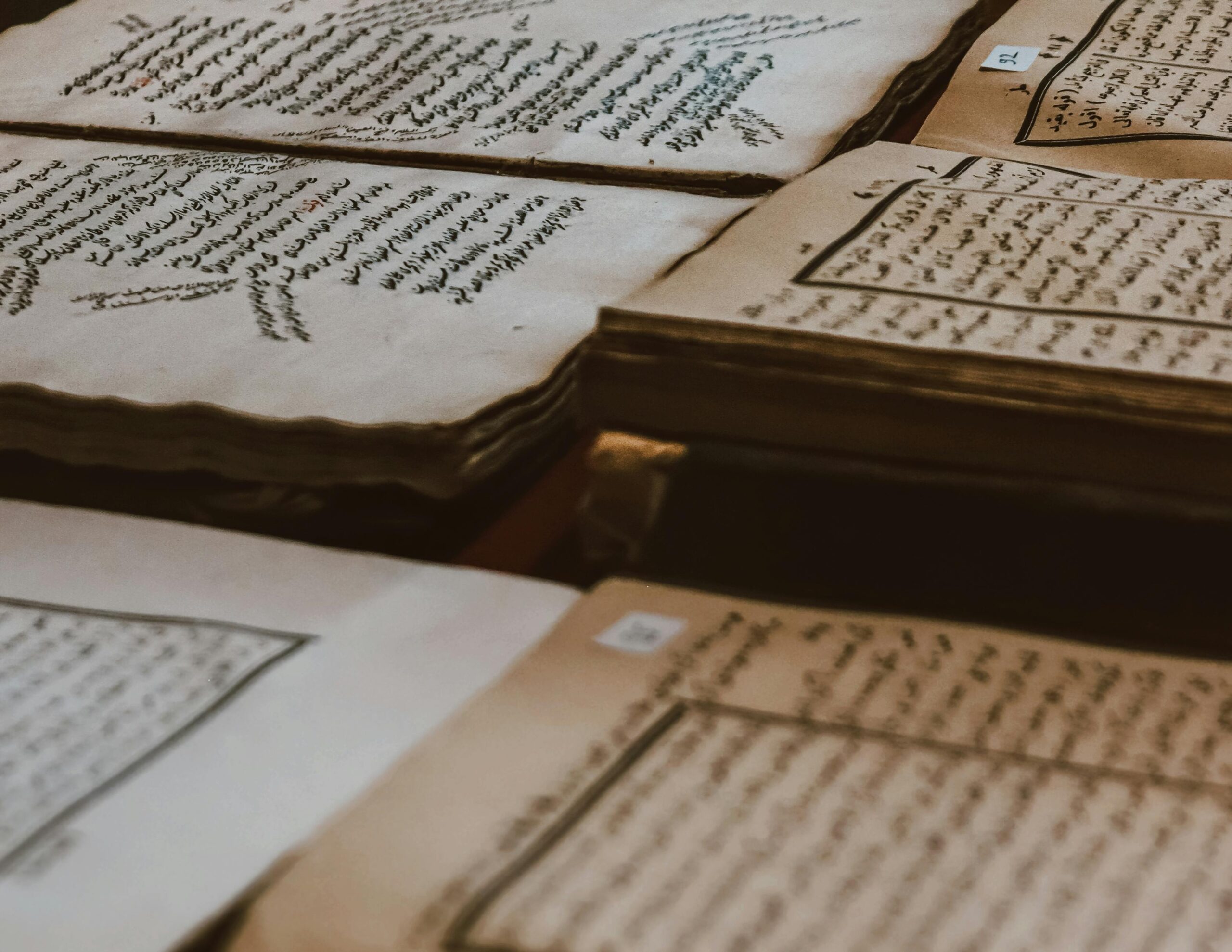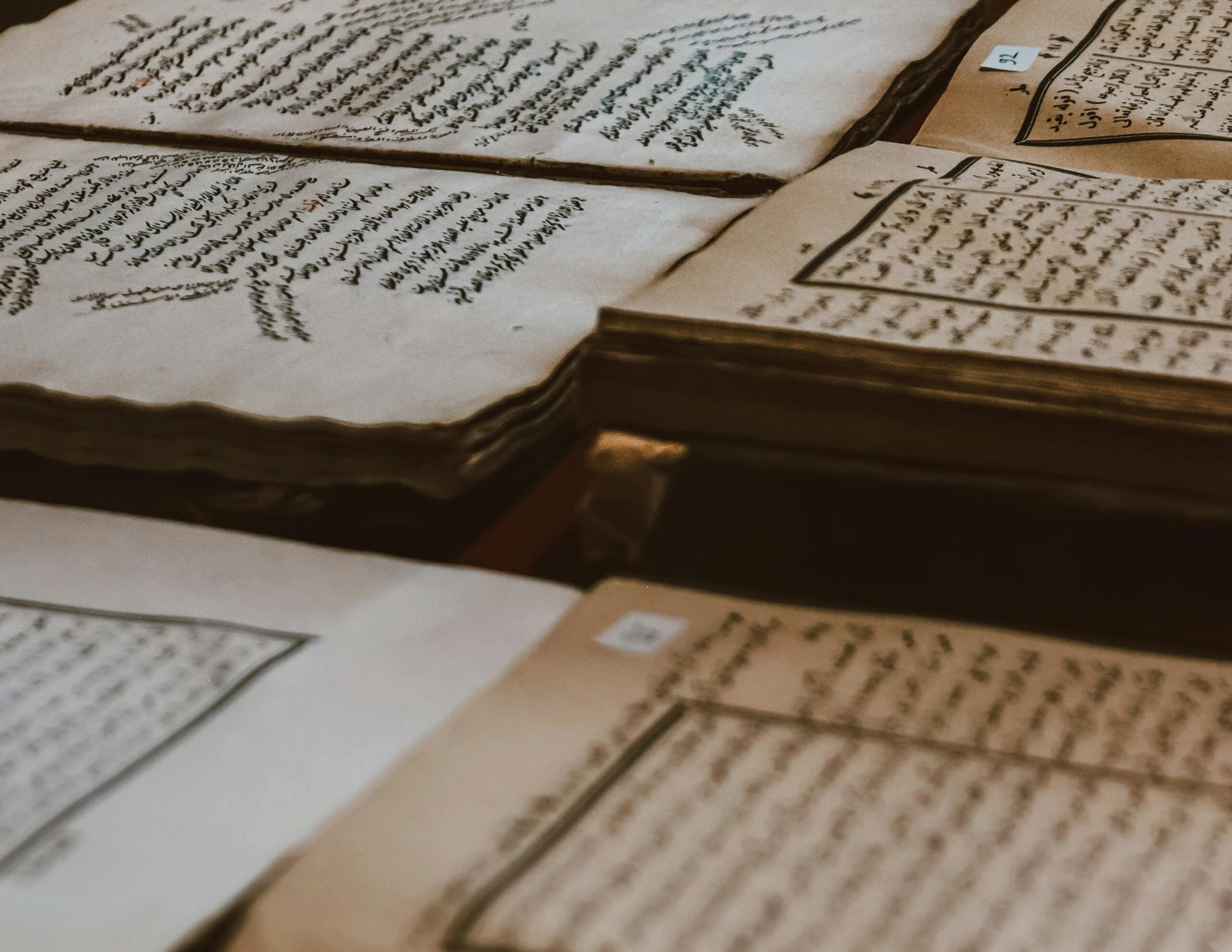
Throughout history, the ways we share and acquire knowledge have been deeply influenced by cultural expectations around gender, shaping who teaches, who learns, and what information flows between generations.

🌍 The Historical Weight of Gendered Learning
Knowledge transmission has never been a neutral process. For centuries, formal education systems were designed primarily for men, while women’s learning was confined to domestic spheres. This division created parallel but unequal systems of knowledge sharing that still echo in contemporary educational structures.
In ancient civilizations, priests, scribes, and scholars were predominantly male. Women who pursued intellectual endeavors were exceptional outliers rather than the norm. Hypatia of Alexandria, Christine de Pizan, and other historical female intellectuals faced significant barriers simply for participating in scholarly discourse.
Meanwhile, women developed sophisticated knowledge systems centered on healthcare, nutrition, textile production, and child-rearing. These skills passed from mothers to daughters through oral tradition and hands-on apprenticeship. Yet this valuable expertise was systematically devalued compared to male-dominated academic knowledge.
📚 Traditional Education Systems and Gender Segregation
The formalization of education in the 18th and 19th centuries institutionalized gender segregation in learning. Schools separated boys and girls, teaching them different curricula based on presumed future roles. Boys studied mathematics, sciences, and classical languages to prepare for professional careers, while girls learned needlework, music, and basic literacy to become accomplished wives and mothers.
This educational apartheid created generations of women with limited access to technical, scientific, and professional knowledge. Even when women began entering universities in the late 19th century, they faced quotas, restrictions on certain fields of study, and social stigma.
Breaking Through Academic Walls
The fight for educational equality became central to women’s rights movements worldwide. Pioneers like Elizabeth Blackwell, the first woman to receive a medical degree in the United States, faced hostility from male peers and professors. Marie Curie’s groundbreaking scientific contributions were initially overshadowed by her male collaborators.
These trailblazers demonstrated that intellectual capacity transcends gender, challenging centuries of prejudice. Yet their individual successes didn’t immediately dismantle systemic barriers preventing millions of women from accessing quality education.
🏡 Informal Knowledge Networks and Women’s Wisdom
While formal education excluded women, they created robust informal knowledge networks. Midwives developed sophisticated understanding of reproductive health. Herbalists mastered botanical medicine. Weavers and seamstresses perfected complex technical skills requiring mathematical precision and artistic vision.
This knowledge transmission occurred in kitchens, markets, gardens, and workshops. It was collaborative, experiential, and community-centered. Older women mentored younger ones, creating intergenerational bonds that preserved cultural practices and practical skills.
Anthropologists now recognize these informal education systems as legitimate and valuable. The dismissal of “women’s knowledge” as inferior reflected gender bias rather than actual quality or usefulness. Traditional ecological knowledge, passed through Indigenous women, is now recognized as critical for environmental conservation.
💼 Professional Gatekeeping and Apprenticeship Models
Trade guilds and professional associations historically excluded women from apprenticeships, effectively blocking their entry into skilled trades. Blacksmithing, carpentry, masonry, and other crafts remained male domains through formal and informal barriers.
When women did work in these fields, their contributions were minimized or attributed to male relatives. The wives and daughters of craftsmen often possessed significant skills but couldn’t officially practice trades or own businesses independently.
The Service Economy Shift
As economies transitioned from manufacturing to services, new opportunities emerged for women. Nursing, teaching, and secretarial work became feminized professions—though typically paid less than male-dominated fields requiring comparable skills and education.
This occupational segregation created new patterns in knowledge transmission. Women dominated early childhood education, fundamentally shaping how millions learned during critical developmental years. Yet educational leadership and policy-making remained predominantly male.
🔬 STEM Fields and the Persistence of Gender Gaps
Despite significant progress, science, technology, engineering, and mathematics fields continue showing pronounced gender imbalances. These gaps begin early, with girls receiving subtle and overt messages discouraging their interest in technical subjects.
Research demonstrates that stereotypes about “male” and “female” aptitudes affect both self-perception and how educators interact with students. Girls who excel in mathematics often face skepticism or surprise, while boys receive encouragement and high expectations as natural.
The underrepresentation of women in STEM creates cyclical problems. Fewer female professors and professionals mean fewer mentors for aspiring women scientists. Curriculum and pedagogical approaches may inadvertently favor learning styles more common among male students.
Initiatives Changing the Landscape
Organizations worldwide now work to close STEM gender gaps through targeted interventions:
- Girls Who Code programs introduce computing skills to young women
- Women in STEM mentorship networks connect students with professionals
- Scholarship programs reduce financial barriers for women pursuing technical degrees
- Curriculum reforms incorporate more diverse scientists and problem-solving contexts
- Early childhood education emphasizes spatial reasoning and scientific thinking for all genders
These efforts show measurable results. Countries with strong gender equality policies demonstrate higher female participation in STEM education and careers, proving cultural factors rather than innate differences drive gender gaps.
🌐 Digital Revolution and Democratized Learning
The internet fundamentally transformed knowledge access and transmission. Online educational resources, video tutorials, and digital libraries bypass traditional gatekeepers. A girl in a rural village with internet access can learn programming, astrophysics, or literature from world-class instructors.
This democratization particularly benefits women in regions with restrictive gender norms. Where cultural practices prevent girls from attending physical schools, online learning offers alternative pathways. During the COVID-19 pandemic, remote education highlighted both opportunities and persistent digital divides.
Social Media as Educational Platform
Platforms like YouTube, TikTok, and Instagram have become unexpected educational spaces. Female creators share expertise ranging from quantum physics to financial literacy, building audiences that traditional academic institutions never reached.
This peer-to-peer knowledge sharing mirrors historical women’s networks but operates at unprecedented scale. A teenager can learn coding, language skills, or business strategies from diverse teachers worldwide, breaking free from local limitations.
👥 Intersectionality in Knowledge Access
Gender doesn’t operate in isolation. Race, class, disability, sexuality, and geography intersect to create complex patterns of advantage and disadvantage in education. A wealthy white woman faces different barriers than a working-class woman of color, though both encounter gender-based obstacles.
Indigenous women often navigate multiple layers of marginalization, their traditional knowledge systems dismissed while facing barriers to Western education. Disability adds another dimension, with disabled women historically excluded from both formal schooling and informal apprenticeships.
Understanding these intersections is critical for creating truly inclusive educational systems. Interventions targeting only gender without addressing race or class may inadvertently benefit already-privileged women while leaving the most marginalized behind.
📖 Pedagogical Approaches and Gender Considerations
Teaching methods themselves can be gendered in subtle ways. Competitive classroom environments may disadvantage students socialized toward collaboration. Heavy emphasis on individual achievement versus community learning reflects cultural values that aren’t universal.
Feminist pedagogy challenges hierarchical teacher-student relationships, emphasizing collaborative knowledge construction. This approach recognizes students’ lived experiences as valuable, particularly for those whose perspectives traditional curricula ignore.
Representation in Educational Materials
Textbooks and curricula historically centered male experiences, achievements, and perspectives. Women appeared as supporting characters rather than protagonists in historical narratives. Scientific and mathematical contributions by women were erased or minimized.
Efforts to diversify educational content face resistance from those viewing inclusivity as “political correctness” rather than accuracy. Yet research clearly shows representation matters—students benefit from seeing people like themselves contributing to knowledge across all fields.
🎯 Contemporary Challenges and Emerging Patterns
While girls now often outperform boys in primary and secondary education globally, leadership positions in academia and research remain disproportionately male. This “leaky pipeline” phenomenon sees women dropping out at each career stage due to discrimination, lack of support, and work-life balance challenges.
Sexual harassment in educational and professional settings continues driving women from certain fields. The #MeToo movement revealed pervasive misconduct in academia, laboratories, and research institutions, with junior women particularly vulnerable to exploitation by senior male colleagues.
Parental responsibilities affect men and women differently in knowledge-intensive careers. Academia’s emphasis on productivity during peak childbearing years structurally disadvantages women. Remote work trends offer flexibility but can also reinforce gender-based domestic labor divisions.
🚀 Future Directions and Transformative Possibilities
Artificial intelligence and machine learning technologies present both opportunities and risks for gender equity in education. AI tutoring systems could provide personalized learning regardless of gender, but algorithms trained on biased data may perpetuate stereotypes.
Virtual and augmented reality technologies enable immersive learning experiences that could transcend physical limitations. Women in regions with restricted mobility might access laboratory experiences, field research, or professional networking through VR platforms.
Reimagining Knowledge Itself
Feminist epistemology questions whose knowledge counts as legitimate and how we determine expertise. This philosophical approach challenges not just who transmits knowledge but what knowledge we value and preserve.
Indigenous feminist scholars argue for recognizing multiple knowledge systems as equally valid, rather than privileging Western scientific approaches. This pluralistic view enriches everyone’s understanding while respecting diverse ways of knowing.
🌟 Creating Sustainable Change
Breaking down gender barriers in knowledge transmission requires sustained, multifaceted efforts. Policy changes must address structural inequalities in education funding, admissions, hiring, and promotion. Cultural shifts need to challenge stereotypes about intellectual abilities and appropriate roles.
Men play crucial roles as allies, mentors, and advocates. When male professors actively recruit and support women students, when fathers encourage daughters’ STEM interests, when male colleagues challenge sexist behavior, they help dismantle barriers they didn’t personally create.
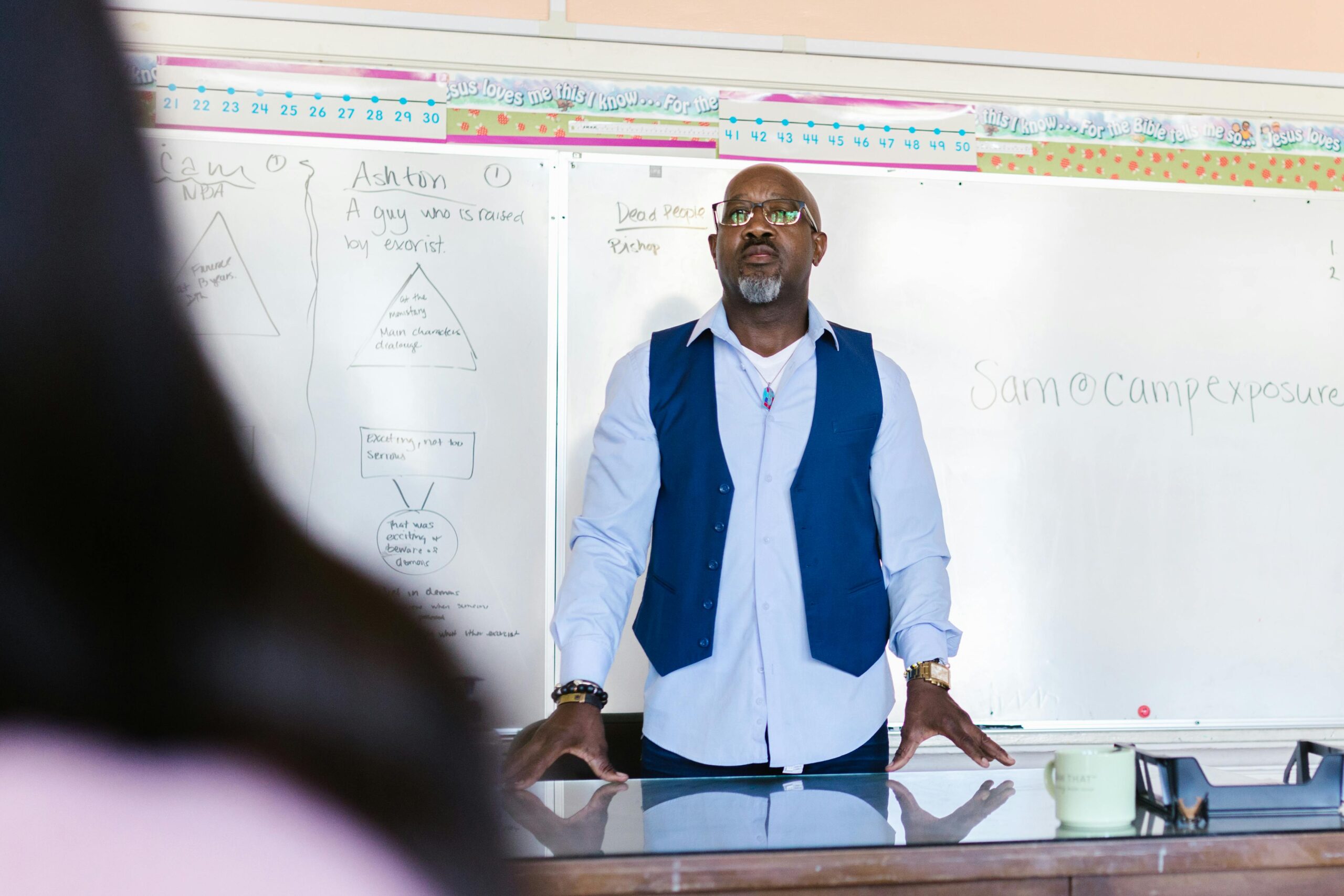
Educational institutions must examine their practices through gender-equity lenses. Are syllabi diverse? Do classroom dynamics allow all voices to be heard? Are support systems available for students navigating gender-based challenges? Do hiring and promotion practices address implicit bias?
💡 The Path Forward Demands Collective Action
Achieving gender equality in knowledge transmission isn’t simply about individual opportunity—it affects humanity’s collective capacity to solve complex problems. When half the population faces barriers to developing and sharing expertise, everyone loses potential innovations, discoveries, and insights.
Climate change, public health crises, technological ethics, and social justice challenges require diverse perspectives and skills. Women’s full participation in knowledge creation and sharing isn’t a favor or accommodation—it’s essential for human flourishing.
The journey from gender-segregated education to truly equitable knowledge systems remains incomplete. Progress has been substantial but uneven, with some regions and fields advancing while others lag. Understanding this history and current landscape empowers us to continue pushing boundaries, questioning assumptions, and building systems where everyone can learn, teach, and contribute regardless of gender.
Each generation inherits barriers built by previous ones but also possesses unprecedented tools for dismantling them. By recognizing how gender shapes knowledge transmission, we can consciously create more inclusive, effective, and just educational futures for everyone.