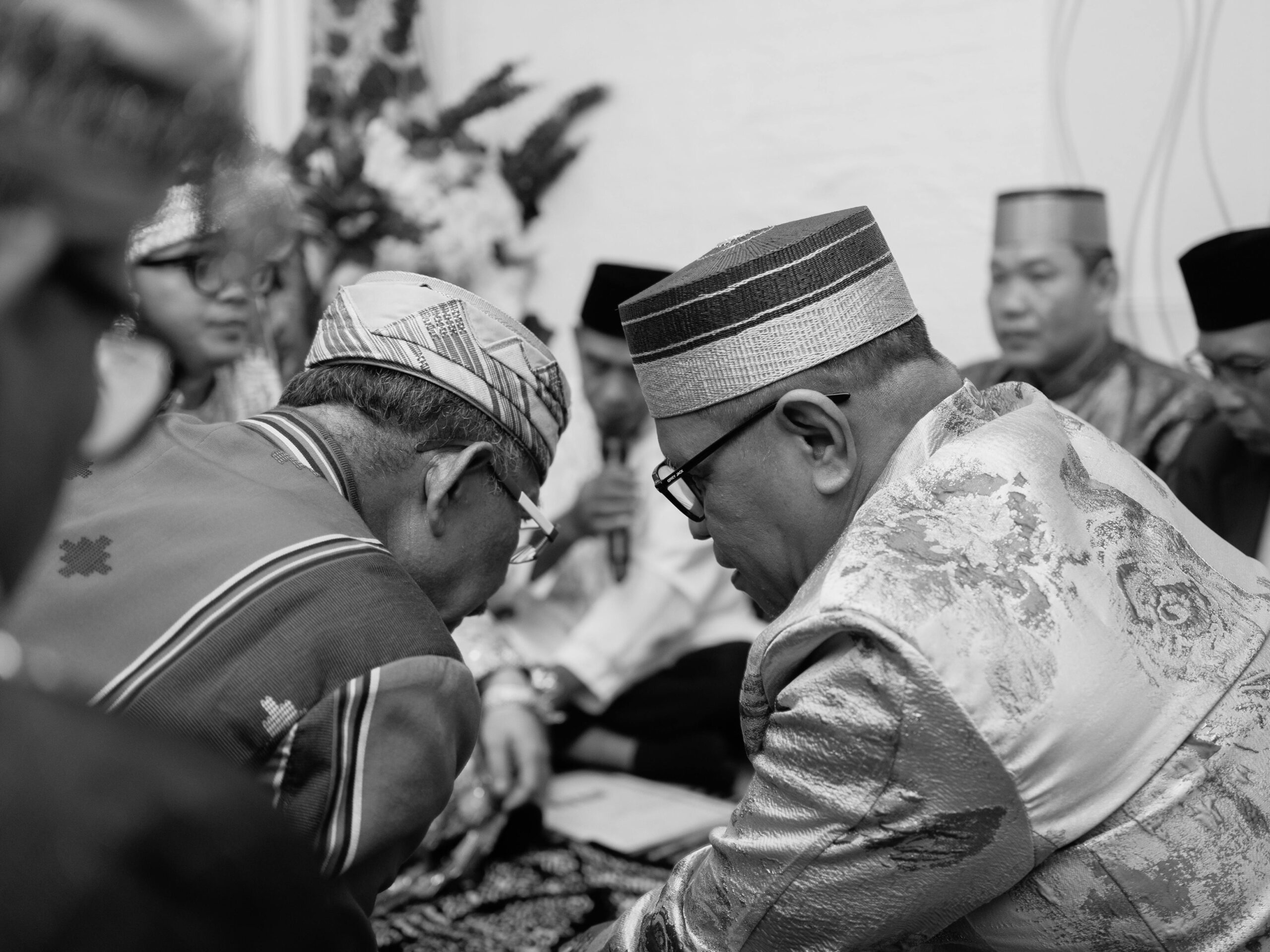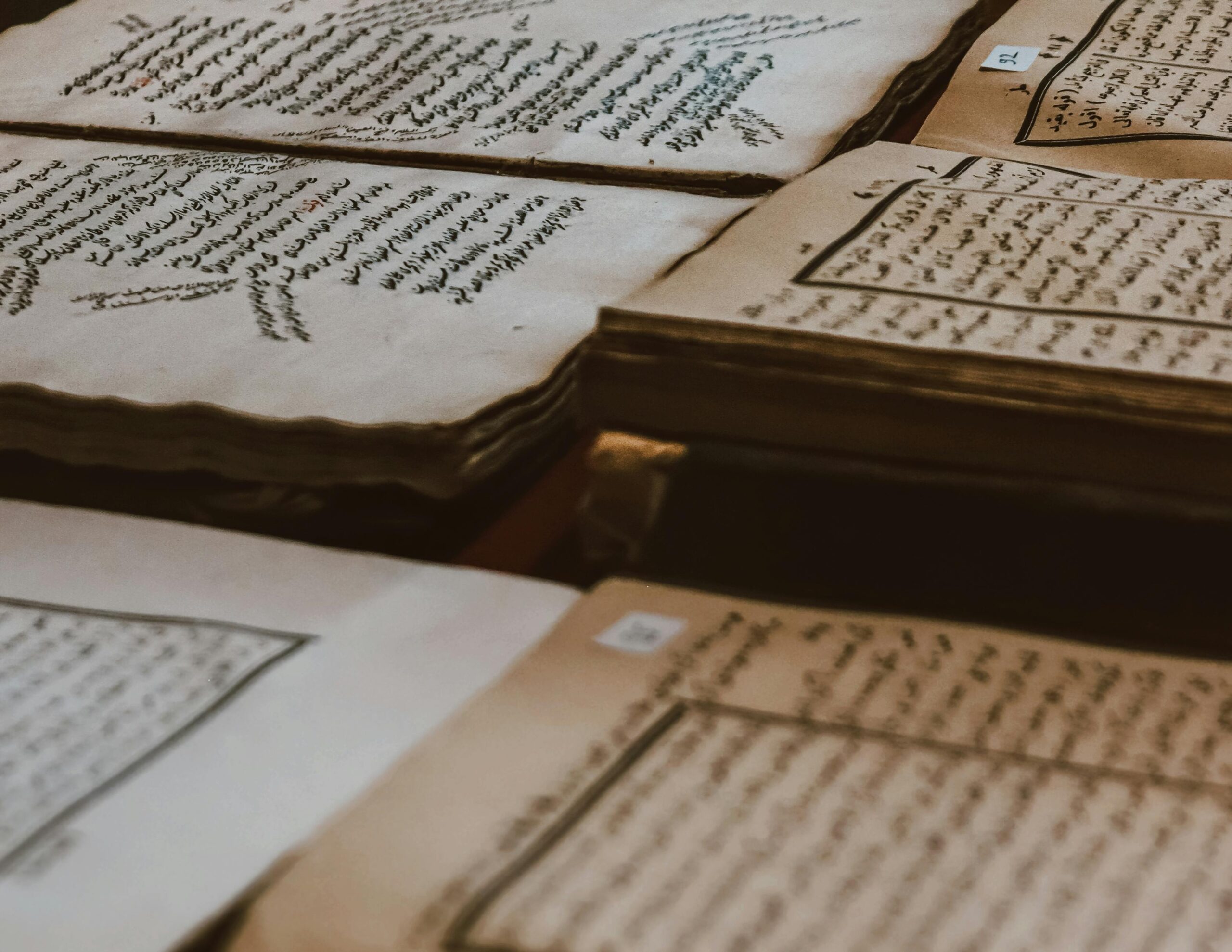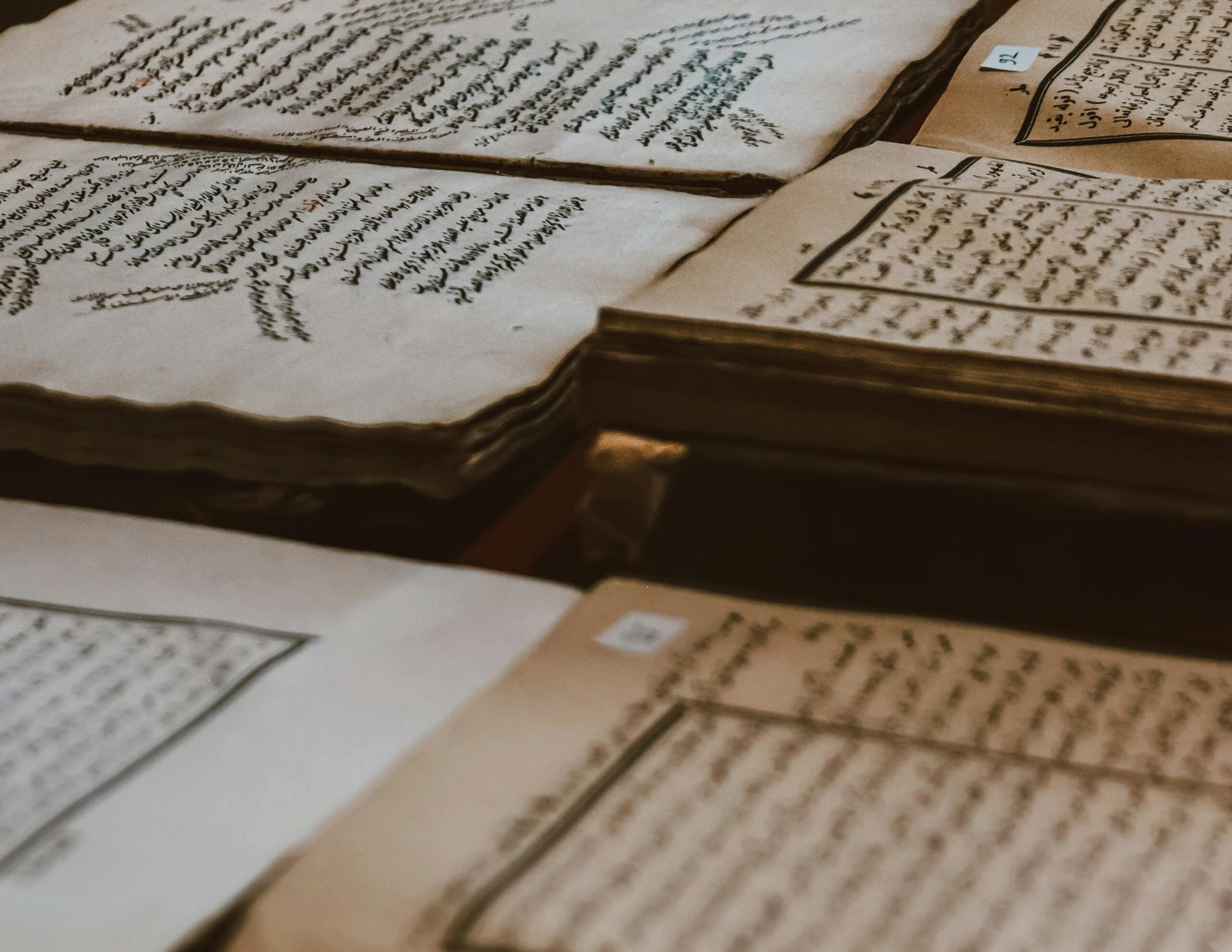
Cultural diplomacy serves as an invisible bridge connecting nations, transcending political boundaries and creating spaces where mutual understanding can flourish in our increasingly interconnected world.

🌍 Understanding Cultural Diplomacy’s Essential Role
Cultural diplomacy represents far more than governmental exchange programs or international art exhibitions. It embodies a sophisticated approach to international relations that leverages cultural assets—including art, education, language, literature, and traditions—to foster mutual understanding between nations. Unlike traditional diplomacy that focuses primarily on political negotiations and economic agreements, cultural diplomacy operates on a human level, touching hearts and minds while building lasting relationships that transcend temporary political disagreements.
The concept itself has ancient roots, dating back to civilizations that used cultural exchanges to establish peaceful relations with neighboring territories. However, its modern incarnation has evolved into a strategic tool that governments, non-governmental organizations, and private institutions employ to shape international perceptions, build soft power, and create sustainable dialogue channels.
In today’s polarized global landscape, where political tensions and misunderstandings frequently dominate headlines, cultural diplomacy offers an alternative pathway—one that celebrates diversity while identifying common human experiences that unite us all. This approach recognizes that sustainable peace and cooperation cannot be achieved through political agreements alone but require deeper connections built on mutual respect and cultural appreciation.
The Historical Foundation of Cultural Exchange
Throughout history, cultural exchange has played a pivotal role in shaping international relations. The Silk Road, for instance, was not merely a trade route for goods but a conduit for ideas, religions, artistic styles, and cultural practices between East and West. Similarly, the Renaissance period witnessed unprecedented cultural exchange across European borders, fundamentally transforming art, science, and philosophy.
The twentieth century saw cultural diplomacy become institutionalized as nations recognized its strategic importance. The establishment of organizations like the British Council in 1934, the Goethe-Institut, and the U.S. State Department’s educational and cultural exchange programs marked a new era where cultural diplomacy became official policy. These institutions understood that winning hearts and minds required more than military might or economic leverage—it demanded cultural engagement.
The Cold War period particularly highlighted cultural diplomacy’s power, with both the United States and Soviet Union deploying artists, musicians, athletes, and academics as cultural ambassadors. Jazz musicians became symbols of American freedom, while Soviet ballet companies showcased their nation’s artistic achievements. These exchanges, even amid intense political rivalry, maintained human connections that would later facilitate political dialogue.
🎭 Mechanisms That Make Cultural Diplomacy Work
Cultural diplomacy operates through various mechanisms, each serving distinct purposes while contributing to the broader goal of fostering international understanding. Educational exchanges remain among the most impactful, bringing students and scholars to foreign countries where they not only gain academic knowledge but develop personal relationships and cultural insights that last lifetimes.
Artistic collaborations create another powerful channel for cultural diplomacy. International film festivals, art exhibitions, theatrical performances, and music concerts allow audiences to experience different cultures firsthand. When people from one nation appreciate another’s artistic expressions, they develop empathy and curiosity that political rhetoric alone cannot generate.
Language learning initiatives represent yet another crucial mechanism. When individuals commit to learning another language, they inevitably engage with that culture’s worldview, values, and ways of thinking. Language becomes a gateway to understanding cultural nuances that translation cannot fully capture.
Digital Platforms Transforming Cultural Exchange
The digital revolution has fundamentally transformed cultural diplomacy’s reach and impact. Social media platforms, streaming services, and online collaboration tools have democratized cultural exchange, making it accessible to millions who might never physically travel abroad. Virtual museum tours, online language exchange programs, and international webinars have created new spaces for cross-cultural dialogue.
These digital tools have proven particularly valuable during times when physical travel becomes restricted, as demonstrated during the global pandemic. Cultural institutions worldwide pivoted to digital platforms, ensuring that cultural exchange continued even when borders closed. This shift has permanently expanded cultural diplomacy’s toolkit, creating hybrid models that combine traditional person-to-person exchange with digital engagement.
Building Soft Power Through Cultural Assets
Nations increasingly recognize cultural diplomacy as essential to building soft power—the ability to influence others through attraction rather than coercion. Countries with rich cultural heritages and vibrant contemporary cultural scenes possess significant advantages in the global arena. South Korea’s strategic promotion of K-pop and Korean cinema, for instance, has dramatically enhanced its global influence and economic opportunities.
Soft power built through cultural diplomacy proves remarkably durable. While political alliances shift and economic relationships fluctuate, cultural connections often endure. People who have studied in another country, experienced its arts, or formed personal relationships with its citizens tend to maintain positive attitudes even during political tensions between their nations.
This form of influence operates subtly but powerfully. When young people worldwide embrace hip-hop culture, watch Bollywood films, practice yoga, or learn about manga, they develop nuanced understandings of American, Indian, or Japanese culture that transcend stereotypes and political narratives. These cultural exports become ambassadors that work continuously, shaping perceptions and building goodwill.
🤝 Addressing Global Challenges Through Cultural Dialogue
Cultural diplomacy has emerged as an essential tool for addressing pressing global challenges that transcend national boundaries. Climate change, public health crises, refugee movements, and technological disruption require unprecedented international cooperation. Cultural diplomacy facilitates this cooperation by building the trust and mutual understanding necessary for collective action.
When facing complex global issues, different cultural perspectives offer valuable insights. Indigenous communities’ traditional ecological knowledge, for instance, provides crucial wisdom for environmental sustainability. Asian philosophies contribute unique approaches to work-life balance and community welfare. African ubuntu philosophy offers perspectives on interconnectedness and collective responsibility. Cultural diplomacy creates spaces where these diverse viewpoints can inform global solutions.
Furthermore, cultural exchange helps dispel the misunderstandings and prejudices that often impede international cooperation. When people from different backgrounds work together on shared challenges, whether through scientific research collaborations or joint artistic projects, they discover common ground and develop problem-solving approaches that integrate multiple perspectives.
Cultural Diplomacy in Conflict Prevention and Resolution
One of cultural diplomacy’s most significant but least visible contributions lies in conflict prevention and resolution. By maintaining dialogue channels even during political tensions, cultural exchange prevents the complete breakdown of relations that can lead to conflict. When politicians cannot communicate, artists, academics, and civil society representatives often can, keeping human connections alive.
Post-conflict reconciliation frequently relies heavily on cultural initiatives. Shared artistic projects, educational programs that bring together youth from formerly conflicting communities, and cultural heritage preservation efforts help heal wounds and rebuild trust. These initiatives acknowledge painful histories while creating new shared narratives that emphasize common humanity over division.
Challenges Facing Contemporary Cultural Diplomacy
Despite its tremendous potential, cultural diplomacy faces significant challenges in the contemporary world. Accusations of cultural imperialism remain legitimate concerns, particularly when powerful nations use cultural programs to advance narrow political interests or when cultural exchange flows predominantly in one direction. Authentic cultural diplomacy must involve genuine reciprocity and respect for cultural diversity rather than serving as a vehicle for cultural domination.
The commercialization of culture presents another challenge. When cultural exchange becomes primarily about marketing cultural products for profit, it can lose its diplomatic dimension. Authentic cultural understanding requires engagement that goes beyond consumption, involving deeper learning and meaningful interaction.
Political instrumentalization of cultural diplomacy can also undermine its effectiveness. When governments too obviously use cultural programs as propaganda tools or attach political strings to cultural exchanges, they generate skepticism and resistance. The most effective cultural diplomacy maintains some independence from immediate political objectives, allowing genuine human connections to develop organically.
📚 Success Stories Worth Celebrating
Numerous examples demonstrate cultural diplomacy’s transformative potential. The Fulbright Program, established in 1946, has facilitated exchanges for hundreds of thousands of students, scholars, and professionals, creating a global network of individuals committed to international understanding. Fulbright alumni include heads of state, Nobel laureates, and countless individuals who have worked to bridge cultural divides in their communities.
The European Union’s Erasmus program has fostered unprecedented cultural exchange among European nations, contributing significantly to peace and integration in a region historically torn by conflict. Millions of students have studied in other European countries, developing the cross-cultural competencies and personal relationships that make the European project more than a political arrangement.
Japan’s cultural diplomacy efforts, including anime and manga diplomacy, have significantly enhanced its soft power while challenging stereotypes. The establishment of Japan Foundation offices worldwide has facilitated Japanese language learning and cultural appreciation globally, creating goodwill and economic opportunities.
The African Union’s cultural diplomacy initiatives, including the African Renaissance program, work to restore pride in African cultures while promoting intra-African cultural exchange. These efforts challenge colonial legacies while showcasing Africa’s diverse cultural richness to the world.
🚀 The Future Landscape of Cultural Diplomacy
Looking forward, cultural diplomacy will likely become even more crucial as globalization and technology continue shrinking distances while potentially amplifying cultural differences. Emerging technologies like virtual reality and artificial intelligence offer exciting new possibilities for cultural exchange, potentially allowing people to experience different cultures more immersively than ever before.
Climate migration and demographic shifts will create increasingly multicultural societies, making cross-cultural competencies essential for social cohesion. Cultural diplomacy’s tools and approaches, traditionally applied to international relations, will prove equally valuable for managing diversity within nations.
Youth engagement will be particularly critical. Young people, who have grown up in a globally connected world, often embrace cultural diversity naturally. Empowering youth-led cultural exchange initiatives can create a generation committed to global dialogue and cooperation.
Integrating Cultural Diplomacy with Sustainable Development
The United Nations Sustainable Development Goals explicitly recognize culture’s role in sustainable development. Future cultural diplomacy must integrate with broader sustainability efforts, using cultural exchange to promote environmental consciousness, social equity, and economic development. Indigenous cultural knowledge, sustainable traditional practices, and cultural industries can all contribute to achieving global development objectives.
Practical Steps for Strengthening Cultural Bridges
Individuals and organizations can contribute to cultural diplomacy in numerous ways. Supporting international exchange programs, whether as participants, hosts, or donors, directly facilitates cultural understanding. Learning foreign languages, engaging with international arts and media, and developing friendships across cultural boundaries all contribute to building bridges.
Educational institutions should prioritize intercultural competency development, preparing students to thrive in diverse environments. Businesses can adopt cultural intelligence training and create inclusive workplaces that value diverse perspectives. Civil society organizations can design programs that bring together people from different backgrounds around shared interests and common goals.
Governments should adequately fund cultural diplomacy initiatives while ensuring they operate with sufficient independence to maintain credibility. Public-private partnerships can leverage resources and expertise from multiple sectors, creating sustainable cultural exchange programs.
💡 Cultivating Global Citizens Through Cultural Understanding
Ultimately, cultural diplomacy’s greatest achievement lies not in specific programs or policies but in cultivating global citizens—individuals who, while rooted in their own cultures, can navigate multiple cultural contexts with sensitivity and respect. These individuals become living bridges, facilitating dialogue and cooperation in whatever contexts they find themselves.
This cultivation requires sustained commitment to cultural education, exchange opportunities, and dialogue platforms. It demands recognition that cultural competency is not a luxury but a necessity in our interconnected world. As challenges become increasingly global in scale, our ability to work across cultural boundaries will determine our collective success in addressing them.
Cultural diplomacy reminds us that beneath political differences and cultural variations lies a shared humanity. By creating spaces where this shared humanity can be recognized and celebrated, cultural diplomacy does more than foster dialogue—it builds the foundation for a more peaceful, prosperous, and just global community. The bridges we build through cultural exchange today will support international cooperation for generations to come, making investment in cultural diplomacy among the wisest choices nations can make.
As we navigate an uncertain future filled with both challenges and opportunities, cultural diplomacy offers a compass pointing toward mutual understanding, respect, and collaboration. By continuing to strengthen these cultural bridges, we create a world where diversity is celebrated as a source of strength and where dialogue always remains possible, even in difficult times. The power of cultural diplomacy lies not just in what it achieves diplomatically, but in how it transforms us all into more empathetic, informed, and connected global citizens.