Today’s world demands collaboration across generations. Youth engagement and intergenerational learning are no longer optional—they’re essential pathways to solving complex challenges and building resilient communities for tomorrow.

🌍 Why Generational Bridges Matter More Than Ever
We live in unprecedented times marked by rapid technological advancement, climate urgency, and shifting social paradigms. The divide between generations has widened in some respects—older adults may struggle with digital literacy while younger generations face accusations of lacking traditional workplace skills or historical perspective. Yet this very tension creates opportunity.
Intergenerational learning represents the intentional exchange of knowledge, skills, and perspectives between people of different age groups. When a teenager teaches their grandmother to use video calling apps, or when a retired craftsperson mentors young entrepreneurs, magic happens. These exchanges bridge not just knowledge gaps but cultivate empathy, preserve cultural heritage, and spark innovation.
Youth engagement amplifies this impact. When young people actively participate in decision-making processes—whether in families, schools, workplaces, or civic institutions—they bring fresh perspectives that challenge assumptions and introduce solutions older generations might overlook. Meanwhile, they gain wisdom, context, and experience that only time can provide.
📱 Digital Natives Meet Analog Wisdom
The technological revolution has created perhaps the most visible generational divide. Digital natives—those who grew up with smartphones and social media—navigate virtual spaces with intuitive ease. Yet this fluency often comes without the critical thinking skills, privacy awareness, or digital citizenship that mature users develop through experience.
Conversely, older generations possess decades of problem-solving experience, interpersonal communication skills, and contextual knowledge that predates the internet. When these strengths combine, both parties benefit immensely.
Programs that pair tech-savvy youth with older adults for digital literacy training demonstrate remarkable outcomes. Seniors gain confidence navigating online banking, telehealth platforms, and communication tools that reduce isolation. Young mentors develop patience, teaching skills, and appreciation for different learning styles. Research shows these programs significantly reduce loneliness among elderly participants while boosting self-esteem in young mentors.
Reverse Mentoring in the Workplace
Forward-thinking organizations have embraced reverse mentoring, where junior employees guide senior leadership on emerging technologies, social media trends, and evolving consumer behaviors. This flips traditional hierarchies and creates cultures of mutual learning.
Companies implementing reverse mentoring report improved innovation metrics, better employee retention across age groups, and leadership teams more attuned to market shifts. A junior marketing associate might teach a C-suite executive about TikTok algorithms while receiving strategic business guidance in return. Both emerge enriched.
🎓 Educational Institutions as Intergenerational Hubs
Schools and universities occupy unique positions to facilitate intergenerational exchange. Traditional educational models segregate by age, but innovative programs are changing this paradigm.
Intergenerational classrooms where children and seniors learn together show promising results. Older adults contribute life experience and patience while absorbing youthful energy and contemporary perspectives. Studies indicate students in these settings demonstrate improved social skills, reduced age-related stereotypes, and better academic outcomes in subjects like reading and history.
Universities increasingly offer lifelong learning programs where retirees audit courses alongside traditional students. These initiatives combat social isolation among older adults while exposing young people to diverse viewpoints. The mixing of generations in seminar discussions enriches dialogue and challenges both groups to articulate their assumptions.
Service Learning That Spans Generations
Service learning projects connecting youth with community elders create powerful learning environments. High school students documenting oral histories from Holocaust survivors, conducting wellness checks for homebound seniors, or collaborating with retirees on environmental restoration projects gain perspective impossible to obtain from textbooks alone.
These experiences cultivate civic responsibility, emotional intelligence, and historical consciousness. Simultaneously, older participants feel valued and connected to their communities, combating the marginalization many experience in youth-centric cultures.
💡 Innovation Through Intergenerational Collaboration
Some of history’s greatest innovations emerged from collaboration between seasoned experts and hungry newcomers. The combination of deep experience with fresh perspective creates ideal conditions for breakthrough thinking.
Startup incubators experimenting with age-diverse teams report superior problem-solving outcomes. When a 22-year-old programmer collaborates with a 58-year-old former supply chain executive, they approach challenges from complementary angles. The youth brings technical prowess and risk tolerance; the veteran contributes strategic thinking and industry contacts.
Makerspaces and community innovation labs intentionally designed for all ages demonstrate this principle beautifully. A retired engineer might help teenagers troubleshoot robotics projects while learning about 3D printing from them. Grandmothers and grandsons collaborate on sustainable fashion designs. These spaces recognize that creativity flourishes when diverse minds connect.
🌱 Addressing Climate Change Together
Perhaps nowhere is intergenerational collaboration more critical than climate action. Young activists rightly demand urgent response to environmental crises they’ll inherit. Older generations possess decision-making power, institutional knowledge, and resources necessary for systemic change.
Effective climate movements recognize this interdependence. Youth provide moral urgency, digital mobilization skills, and innovative thinking. Older allies contribute political savvy, professional networks, and decades of environmental activism experience. When Greta Thunberg stands alongside veteran climate scientists, or when student organizers partner with retired teachers for environmental education, their combined impact exceeds what either could accomplish alone.
Community gardens operated by schools and senior centers exemplify practical intergenerational climate action. Young people learn sustainable agriculture from experienced gardeners while introducing new techniques researched online. Together they produce food, sequester carbon, and build community resilience.
🤝 Building Empathy in Polarized Times
Our societies face troubling polarization, often amplified by age-segregated social bubbles. Intergenerational engagement offers powerful antidotes to this division.
When people of different ages genuinely connect, stereotypes dissolve. The “lazy millennial” becomes Sarah, who’s working two jobs while caring for aging parents. The “out-of-touch boomer” becomes Robert, who marched for civil rights and now supports marriage equality despite his traditional upbringing.
Structured dialogue programs bringing together diverse age groups to discuss contentious issues create surprising common ground. Participants discover shared values beneath surface disagreements. A conservative retiree and progressive college student might bond over concerns about corporate power despite differing policy prescriptions. These human connections inoculate against dehumanizing rhetoric.
Storytelling as a Bridge
Narrative exchange represents one of humanity’s oldest intergenerational learning methods. Digital storytelling projects where youth interview elders about their lives create powerful connections. Young people gain historical perspective and appreciation for challenges overcome. Older adults feel heard and valued, their experiences validated.
These stories preserve cultural heritage while making history tangible. Learning about segregation from someone who lived through it carries emotional weight no textbook can match. Understanding economic hardship through a grandfather’s Depression-era stories builds empathy and context for contemporary struggles.
🏘️ Community-Based Intergenerational Programs
Communities worldwide are pioneering innovative programs that bring generations together:
- Co-housing developments where families, young professionals, and retirees share common spaces and responsibilities
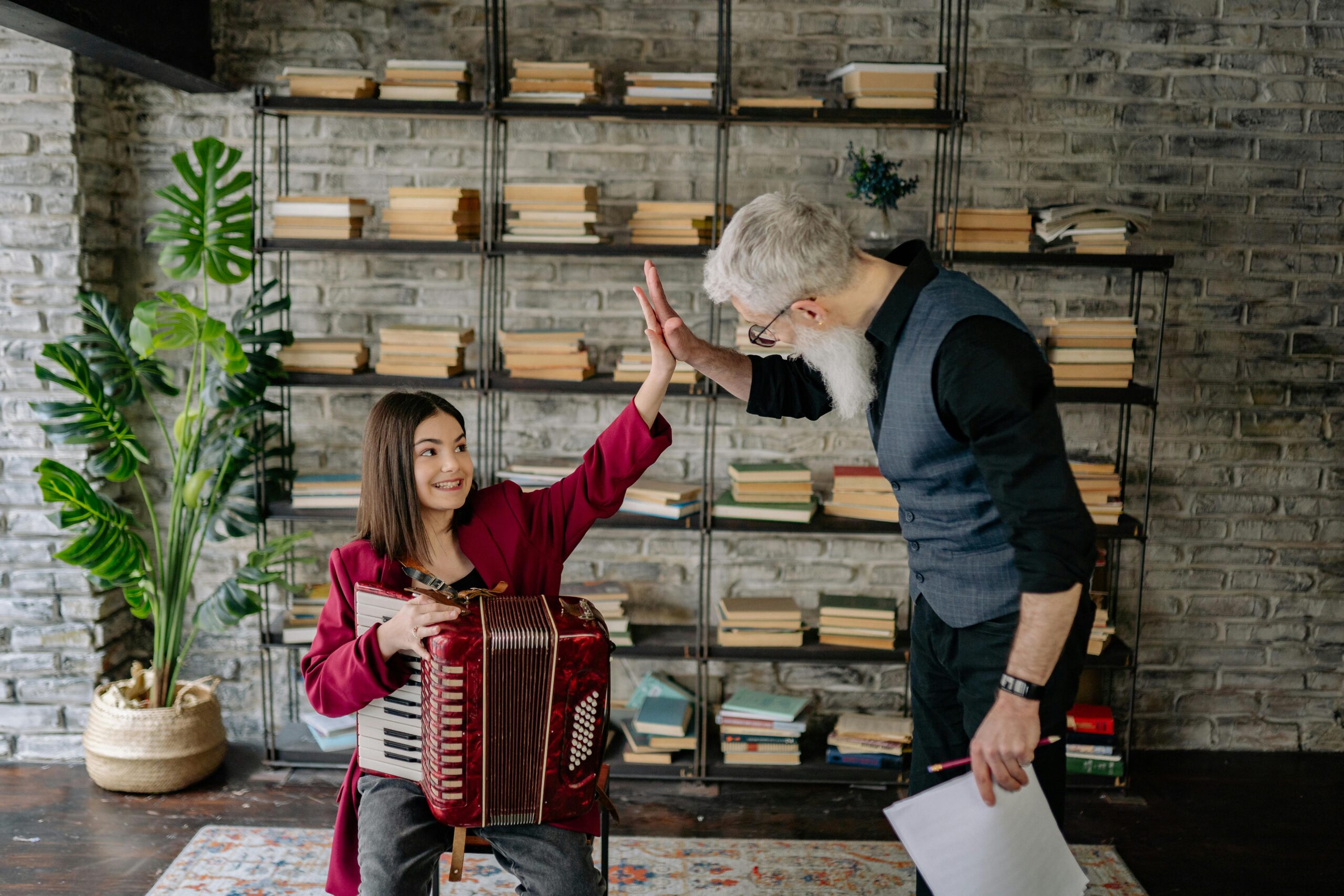
- Intergenerational music and arts programs pairing young musicians with retired performers
- Tech training cafes where youth provide digital support to seniors while enjoying subsidized facilities
- Pen pal programs connecting isolated elderly individuals with students for regular correspondence
- Shared site facilities housing daycare centers within senior living communities
These initiatives combat isolation affecting both young and old. Seniors in intergenerational programs report better mental health, increased physical activity, and stronger sense of purpose. Youth participants develop patience, communication skills, and appreciation for diversity.
📊 Measuring Impact and Outcomes
Research consistently validates intergenerational programming benefits. Studies document measurable improvements across multiple domains:
| Impact Area | Youth Benefits | Older Adult Benefits |
|---|---|---|
| Social | Reduced ageism, improved empathy | Decreased isolation, expanded networks |
| Cognitive | Enhanced problem-solving, critical thinking | Improved memory, mental stimulation |
| Emotional | Greater self-esteem, purpose | Reduced depression, increased life satisfaction |
| Physical | Activity through shared projects | Increased mobility, better health outcomes |
Economic benefits emerge too. Communities with robust intergenerational programs report lower healthcare costs, reduced juvenile delinquency, and stronger social cohesion. These programs represent investments with substantial returns.
🚀 Practical Steps for Fostering Intergenerational Connections
Creating meaningful intergenerational exchanges doesn’t require massive resources. Simple actions can yield profound results:
For individuals: Reach beyond your age bubble. Volunteer with organizations serving different generations. Invite neighbors of various ages for coffee. Attend community events mixing age groups. Join intergenerational book clubs, sports leagues, or hobby groups.
For families: Prioritize regular extended family gatherings. Assign shared projects bridging generations—cooking traditional recipes together, creating family histories, collaborating on home improvements. Encourage genuine conversation rather than parallel play on devices.
For educators: Design assignments incorporating elder interviews or mentorship. Partner with senior centers for shared learning experiences. Invite community elders as guest speakers. Create peer mentoring programs spanning grade levels.
For organizations: Implement reverse mentoring programs. Create age-diverse project teams. Offer flexible work arrangements accommodating different life stages. Sponsor community intergenerational events.
For policymakers: Fund intergenerational programming in community centers and libraries. Design public spaces encouraging cross-age interaction. Support co-housing and mixed-use developments. Incorporate intergenerational approaches in health and social services.
🌟 The Future We’re Building Together
The challenges ahead—climate disruption, technological transformation, demographic shifts—demand all hands on deck. We cannot afford to silo generations when collective wisdom offers our best hope.
Youth bring urgency, technological fluency, and willingness to reimagine fundamental assumptions. They question inherited systems and demand better. This energy is precious and necessary.
Older generations contribute institutional knowledge, hard-won wisdom, and strategic patience. They understand that meaningful change requires persistence, relationship-building, and learning from past mistakes.
Neither group holds all answers. But together, they form something greater than the sum of parts—a dynamic, adaptive, resilient approach to an uncertain future.
✨ Creating Spaces for Authentic Connection
The most successful intergenerational initiatives share common elements. They create safe spaces for authentic connection without forcing interaction. They recognize that meaningful relationships develop gradually through shared purpose, not manufactured activities.
They honor both difference and commonality. Age brings different perspectives, and that diversity strengthens outcomes. Yet beneath surface differences lie universal human needs—connection, purpose, recognition, growth—that bind generations.
They build reciprocity into their design. When programs position one generation as solely teacher and another as student, they miss opportunities for mutual learning. The best initiatives recognize everyone has knowledge to share and gaps to fill.
They commit to sustained engagement rather than one-off events. Real relationships require time. Programs that facilitate ongoing interaction yield deeper benefits than isolated intergenerational encounters.
🔮 Envisioning an Intergenerational Future
Imagine communities where age integration is default rather than exception. Where workplaces naturally mix generations in complementary roles. Where educational institutions serve lifelong learners of all ages. Where public spaces invite cross-generational gathering. Where families prioritize meaningful elder inclusion.
This vision is achievable. It requires intentional design, resource commitment, and cultural shift away from age segregation. But the payoff—stronger communities, reduced isolation, accelerated innovation, preserved wisdom—justifies the investment many times over.
As we navigate unprecedented global challenges, we need every perspective at the table. Youth voices demanding bold action on injustice and climate. Mature voices counseling strategic patience and systemic thinking. Technological fluency meeting institutional knowledge. Idealism tempered by experience, experience energized by idealism.
Bridging the generational gap isn’t just nice to have—it’s essential infrastructure for the future we’re building. Every intergenerational connection forged, every mentorship established, every stereotyped challenged represents an investment in collective resilience and shared flourishing.
The future belongs to neither young nor old exclusively. It belongs to all of us, and we’ll shape it best together. By embracing youth engagement and intergenerational learning, we create foundations for communities where everyone contributes, everyone learns, and everyone belongs. That future is worth building, one bridge at a time. 🌈