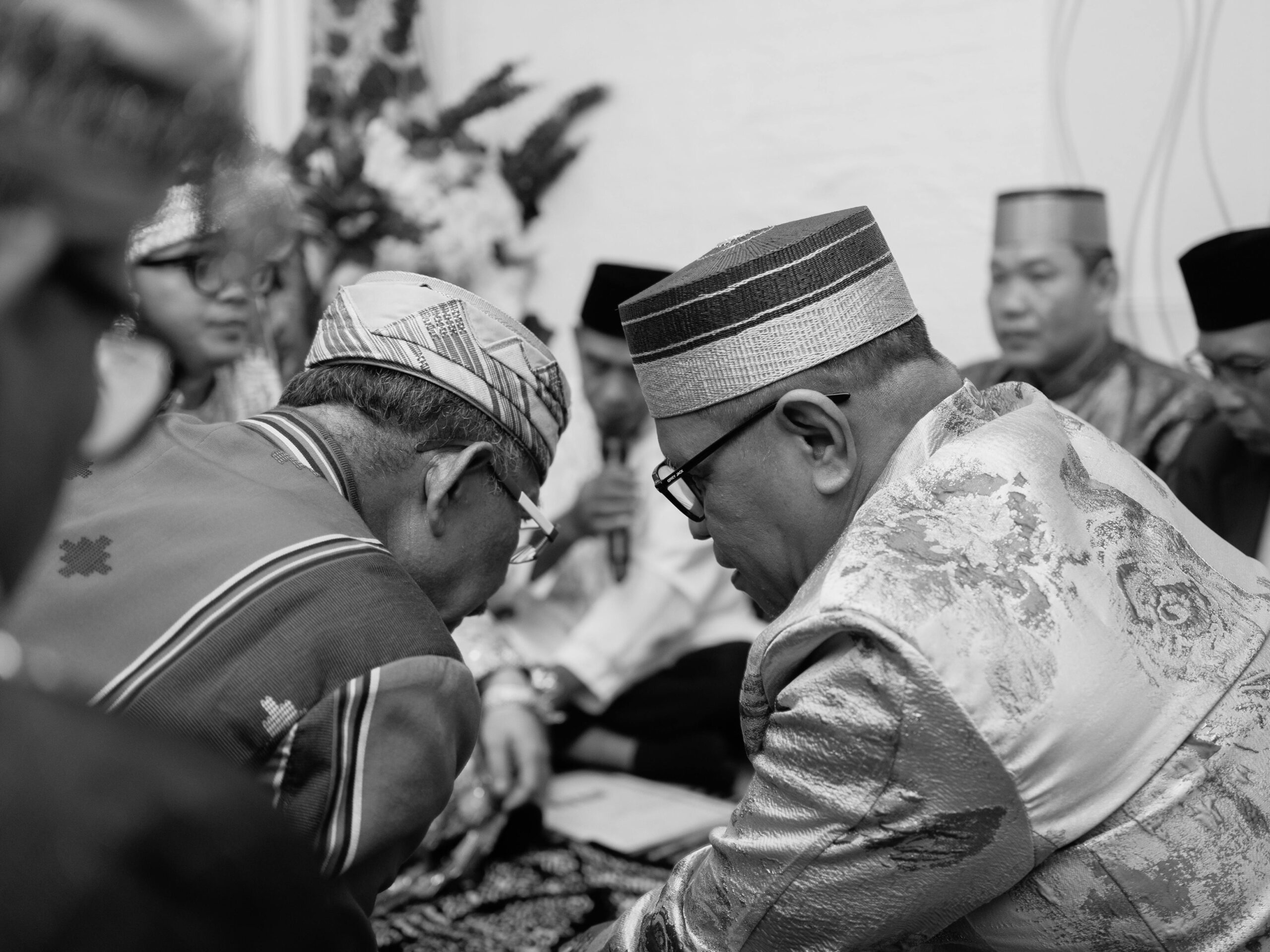
Indigenous communities worldwide are reclaiming their voices in governance and policy-making, creating pathways toward self-determination, cultural preservation, and sustainable development for generations to come.

🌍 Understanding the Foundation of Indigenous Self-Governance
The journey toward empowering Indigenous communities begins with recognizing their inherent rights to self-determination and governance. For centuries, Indigenous peoples have maintained sophisticated systems of leadership, decision-making, and resource management that predate colonial structures. These traditional governance models were often dismissed or actively suppressed, leading to generations of disempowerment and cultural erosion.
Today, there is growing recognition that Indigenous communities possess unique knowledge systems, cultural perspectives, and governance practices that can contribute significantly to addressing contemporary challenges. From climate change mitigation to sustainable resource management, Indigenous wisdom offers innovative solutions that modern societies are only beginning to appreciate fully.
The concept of co-creation in governance represents a fundamental shift from top-down policy imposition to collaborative partnership. It acknowledges that Indigenous communities are not merely stakeholders to be consulted, but rightful partners in designing policies that affect their lands, resources, and futures. This approach respects Indigenous sovereignty while creating space for meaningful dialogue between traditional and contemporary governance systems.
Breaking Down Historical Barriers to Participation
Understanding the historical context is essential for meaningful empowerment. Colonial policies systematically excluded Indigenous peoples from decision-making processes, imposed foreign legal systems, and undermined traditional authority structures. The effects of these policies continue to reverberate through contemporary governance challenges, creating barriers to Indigenous participation in policy-making.
Language barriers, geographic isolation, and limited access to resources have further complicated Indigenous engagement in mainstream political processes. Many Indigenous communities face challenges in navigating bureaucratic systems designed without consideration for their cultural protocols, communication styles, or decision-making traditions.
Economic marginalization has also restricted Indigenous capacity to participate fully in governance processes. Without adequate funding for research, legal representation, and capacity building, communities struggle to engage effectively with complex policy frameworks and legislative processes. Addressing these systemic inequities is fundamental to genuine empowerment.
🤝 Principles of Effective Co-Creation in Policy Development
Successful co-creation of governance structures requires adherence to principles that respect Indigenous autonomy while fostering productive collaboration. These principles form the foundation for building trust and ensuring that partnerships produce meaningful outcomes rather than tokenistic consultation.
Free, Prior, and Informed Consent
The principle of free, prior, and informed consent (FPIC) has become a cornerstone of Indigenous rights in international law. FPIC requires that Indigenous communities receive comprehensive information about proposed projects or policies in culturally appropriate formats, have adequate time for deliberation according to their own decision-making processes, and possess the authority to grant or withhold consent without coercion.
Implementing FPIC authentically requires governments and organizations to engage with communities at the earliest stages of policy development, not merely as a formality before predetermined decisions are implemented. This means respecting community timelines, which may differ from bureaucratic schedules, and genuinely incorporating Indigenous feedback into final policies.
Recognition of Traditional Knowledge Systems
Indigenous knowledge systems offer sophisticated understandings of ecological relationships, sustainable resource management, and community well-being that complement scientific approaches. Effective co-creation recognizes these knowledge systems as valid and valuable contributions to policy development, not simply as cultural curiosities or anecdotal information.
This recognition extends to acknowledging Indigenous intellectual property rights and ensuring that traditional knowledge is not appropriated without proper consent and benefit-sharing arrangements. Policies must protect Indigenous knowledge while creating space for its appropriate application in addressing contemporary challenges.
Practical Models of Indigenous-Led Governance
Around the world, innovative models of Indigenous-led governance demonstrate the potential for communities to exercise self-determination while engaging productively with broader political systems. These examples offer valuable lessons for other communities and governments seeking to implement co-creative governance approaches.
Land and Resource Management Partnerships
Co-management arrangements for protected areas and natural resources represent one successful model of shared governance. In these frameworks, Indigenous communities and government agencies jointly develop management plans, make decisions about resource use, and monitor environmental conditions. Such partnerships recognize Indigenous stewardship traditions while providing access to scientific resources and regulatory authority.
In Canada, for example, Indigenous Protected and Conserved Areas (IPCAs) enable communities to exercise jurisdiction over their traditional territories using governance structures that reflect their cultural values and ecological knowledge. These initiatives demonstrate how Indigenous leadership in conservation can achieve both cultural and environmental objectives more effectively than conventional approaches.
Health and Social Services Delivery
Indigenous-designed health and social services programs show remarkable success in addressing community needs through culturally grounded approaches. When communities control service design and delivery, they can integrate traditional healing practices, address historical trauma, and create programs that resonate with cultural values and communication styles.
These programs often demonstrate better outcomes than mainstream services because they address the social determinants of health within cultural contexts and build on community strengths rather than focusing solely on deficits. Self-governance in health services enables communities to define wellness according to their own worldviews and prioritize prevention and community healing.
📊 Building Capacity for Meaningful Participation
Empowering Indigenous communities requires investing in capacity building that strengthens internal governance structures and enables effective engagement with external systems. This capacity building must be community-driven, respecting existing strengths while addressing identified needs.
Education and training programs should focus on areas such as policy analysis, legal literacy, financial management, and negotiation skills. However, these programs must be designed and delivered in culturally appropriate ways that honor Indigenous pedagogies and learning styles rather than simply replicating mainstream educational approaches.
Technology access and digital literacy have become increasingly important for Indigenous participation in governance. Remote communities particularly benefit from digital tools that enable participation in policy discussions, access to information, and communication with government officials without requiring extensive travel. However, technology implementation must address connectivity challenges and ensure that digital platforms complement rather than replace face-to-face deliberation.
💡 Innovative Policy Frameworks Supporting Indigenous Empowerment
Progressive policy frameworks are emerging that create structural space for Indigenous self-determination while maintaining connections to broader governance systems. These frameworks recognize that empowerment requires not just consultation processes but fundamental changes to how authority is distributed and exercised.
Recognition of Indigenous Law and Legal Systems
Some jurisdictions are beginning to recognize Indigenous legal systems as legitimate sources of law that operate alongside state legal systems. This recognition creates space for Indigenous communities to apply their own laws in areas such as family relations, property, and resource management within their territories.
Legal pluralism acknowledges that multiple legal systems can coexist within a single jurisdiction, each applying to different domains or populations according to agreed-upon principles. This approach respects Indigenous sovereignty while maintaining necessary coordination between legal systems for matters involving both Indigenous and non-Indigenous people.
Revenue Sharing and Economic Self-Sufficiency
Economic empowerment is fundamental to governance capacity. Progressive policies ensure that Indigenous communities benefit fairly from resource development on their traditional territories through revenue-sharing agreements, impact benefit agreements, and taxation authority. These mechanisms provide communities with financial resources necessary for self-governance while recognizing their proprietary interests in traditional lands.
Beyond resource revenues, policies supporting Indigenous business development, procurement preferences, and economic diversification enable communities to build sustainable economies that reduce dependence on government transfers and create employment opportunities aligned with cultural values.
🌱 Addressing Climate Change Through Indigenous-Led Policies
Indigenous communities are disproportionately affected by climate change, yet they possess valuable knowledge for mitigation and adaptation. Co-creating climate policies with Indigenous leadership produces more effective and equitable responses to environmental challenges while supporting Indigenous stewardship traditions.
Indigenous fire management practices, for instance, are being recognized as valuable tools for reducing wildfire risk and maintaining ecosystem health. Policies that support Indigenous-led prescribed burning programs demonstrate how traditional knowledge can address contemporary environmental challenges while creating employment and strengthening cultural connections to land.
Climate adaptation planning led by Indigenous communities tends to integrate cultural preservation, language revitalization, and traditional food security alongside infrastructure and emergency preparedness. This holistic approach produces more resilient communities because it strengthens social and cultural resources alongside physical infrastructure.
Overcoming Resistance and Building Political Will
Despite growing recognition of Indigenous rights, significant resistance to genuine empowerment persists. Vested interests in resource extraction, bureaucratic inertia, and persistent colonial attitudes create obstacles to implementing co-creative governance approaches. Overcoming this resistance requires strategic advocacy, coalition building, and persistent political engagement.
Building public understanding of Indigenous rights and the benefits of Indigenous-led governance helps create political space for progressive policies. When broader society understands that Indigenous empowerment contributes to environmental conservation, social justice, and reconciliation, political leaders face pressure to implement meaningful reforms rather than superficial gestures.
Indigenous political organizing and inter-community networking strengthen collective advocacy capacity. Regional and national Indigenous organizations amplify community voices, share successful strategies, and coordinate responses to common challenges. These networks create political pressure while providing mutual support for communities navigating complex governance negotiations.
🔮 Future Directions for Indigenous Governance and Policy
The trajectory of Indigenous empowerment points toward increasingly sophisticated models of self-determination that balance autonomy with productive engagement in broader political systems. Future developments will likely include expanded Indigenous jurisdiction, enhanced capacity for complex governance functions, and deeper integration of Indigenous perspectives into mainstream policy-making.
Intergenerational knowledge transfer is essential for sustaining Indigenous governance into the future. Programs connecting Elders with youth ensure that traditional knowledge, languages, and governance practices continue while young people also develop skills for engaging with contemporary systems. This dual competency enables communities to maintain cultural integrity while exercising self-determination effectively.
International Indigenous solidarity is growing stronger, with communities sharing strategies, providing mutual support, and advocating collectively for rights recognition. This global movement creates momentum for policy reforms while affirming that Indigenous empowerment is a universal issue, not merely a concern for specific nations or regions.

Creating Pathways Forward Together
The empowerment of Indigenous communities through co-created governance and policy represents both a moral imperative and a practical necessity for building just, sustainable societies. Recognizing Indigenous rights to self-determination is not merely about correcting historical injustices, though that is important. It is about creating governance systems that draw on diverse knowledge systems, respect cultural plurality, and enable all peoples to contribute their unique perspectives to shared challenges.
Successful empowerment requires structural changes that redistribute power and resources, not merely consultative processes that maintain existing hierarchies. Governments, organizations, and individuals must examine their own assumptions, relinquish control where appropriate, and commit to genuine partnership with Indigenous communities as equals in shaping policies that affect them.
The work of co-creating governance is ongoing, requiring patience, humility, and persistent commitment from all partners. There will be setbacks, misunderstandings, and conflicts along the way. However, the potential rewards—more just societies, more effective policies, and the preservation of invaluable cultural and ecological knowledge—make this challenging work essential for everyone’s brighter future.
Indigenous communities have survived centuries of colonization while maintaining their identities, governance systems, and connections to ancestral lands. Their resilience and vision offer hope and guidance for building societies that honor diversity, respect the Earth, and enable all peoples to flourish according to their own values and aspirations. By supporting Indigenous self-determination today, we invest in a future where multiple ways of knowing, being, and governing can coexist, creating richer, more resilient communities for generations to come.