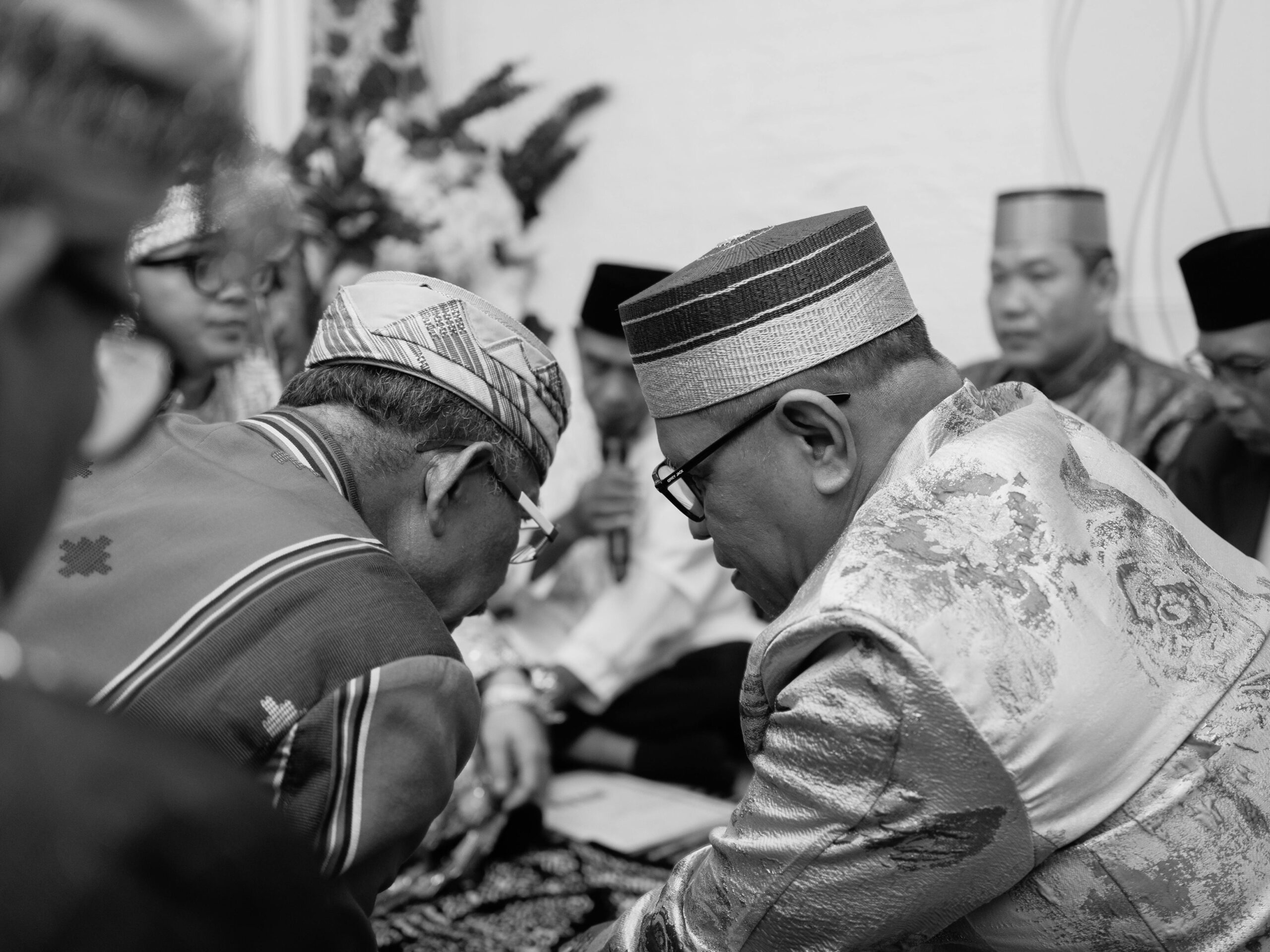
Modern design is discovering profound wisdom in indigenous traditions, creating spaces and objects that honor ancestral knowledge while meeting contemporary needs with authenticity and purpose.

🌍 The Cultural Renaissance in Contemporary Spaces
The design world is experiencing a significant shift as creators, architects, and artists turn toward indigenous principles to inform their work. This movement isn’t simply about aesthetics—it represents a fundamental rethinking of how we interact with our built environment, the natural world, and each other. Indigenous communities have cultivated design philosophies over millennia that emphasize sustainability, community connection, and respect for natural resources in ways that modern society is only beginning to appreciate.
Contemporary designers are recognizing that indigenous knowledge systems offer solutions to challenges that purely modernist approaches have struggled to address. From climate-responsive architecture to circular economy principles, many “innovative” contemporary concepts have existed within indigenous cultures for generations. The integration of these time-tested approaches creates design that is not only visually compelling but also functionally superior and environmentally responsible.
Understanding Core Indigenous Design Principles
Indigenous design philosophy differs fundamentally from Western modernist approaches in its holistic worldview. Rather than viewing design objects or spaces as isolated entities, indigenous principles consider the interconnected relationships between people, place, materials, and purpose. This systems-thinking approach results in designs that serve multiple functions while minimizing negative impacts and maximizing community benefit.
Reciprocity with Natural Materials
Indigenous cultures traditionally practice a reciprocal relationship with the environment, taking only what is needed and ensuring resources can regenerate. This principle translates beautifully into modern sustainable design practices. When designers source materials with this mindset, they consider the full lifecycle—from harvest to eventual decomposition—and the impact on ecosystems and communities.
Natural materials like wood, stone, clay, and plant fibers feature prominently in indigenous-inspired design, but the approach goes beyond material selection. It encompasses how materials are harvested, processed, and ultimately returned to the earth. This cyclical thinking contrasts sharply with the linear “take-make-dispose” model that has dominated industrial design.
Place-Based Design Wisdom
Indigenous communities develop deep knowledge of their specific environments over generations, creating design solutions perfectly adapted to local climate, geography, and available resources. This place-based approach stands in opposition to the globalized, one-size-fits-all design mentality that often ignores regional differences.
Modern architects and designers are rediscovering the value of climate-responsive design that indigenous builders have always practiced. From natural ventilation systems to strategic building orientation, these time-tested strategies reduce energy consumption while creating more comfortable, livable spaces. The result is architecture that feels rooted in its location rather than imported from elsewhere.
🎨 Visual Language and Symbolic Communication
Indigenous artistic traditions employ rich symbolic languages that communicate cultural values, stories, and knowledge across generations. These visual systems are far more than decoration—they serve as educational tools, historical records, and spiritual expressions. Contemporary designers incorporating these elements must approach them with respect, understanding, and often, direct collaboration with indigenous artists and communities.
Patterns, colors, and forms from indigenous art carry specific meanings within their cultural contexts. When thoughtfully integrated into modern design, these elements can add layers of significance and narrative depth. However, this integration requires genuine engagement with source communities rather than superficial appropriation. The distinction between appreciation and appropriation lies in respect, permission, attribution, and often, partnership.
Storytelling Through Design Elements
Every design choice can tell a story when approached with indigenous principles in mind. Materials might reflect local geography, construction methods might honor traditional techniques, and decorative elements might reference cultural narratives. This storytelling dimension transforms spaces and objects from mere functional items into meaningful connections with place, history, and community.
Contemporary designers working in this space often collaborate directly with indigenous artists, ensuring authentic representation and appropriate use of cultural elements. These partnerships benefit all involved—indigenous artists gain platforms and economic opportunities while designers access genuine cultural knowledge and artistic excellence.
Practical Applications in Modern Interiors
Bringing indigenous principles into contemporary living spaces doesn’t require wholesale redesign or museum-like displays of artifacts. Instead, it involves thoughtful integration of philosophies and elements that enhance functionality while honoring traditional wisdom.
Spatial Arrangements for Community Connection
Many indigenous cultures design living spaces to facilitate community gathering and intergenerational interaction. Rather than the compartmentalized rooms common in Western architecture, these spaces often feature flexible, multi-use areas that can accommodate different group sizes and activities. Modern open-plan concepts echo this philosophy, though the indigenous approach typically maintains better acoustic and thermal performance through clever material choices and spatial divisions.
Incorporating communal gathering spaces into contemporary homes—whether a large kitchen island, a circular seating arrangement, or an outdoor courtyard—reflects this principle. These spaces acknowledge that human wellbeing depends significantly on social connection, not just individual privacy.
Natural Materials and Handcrafted Elements
Indigenous design celebrates the inherent beauty of natural materials and the skilled craftsmanship required to work with them. In modern interiors, this might manifest as exposed timber beams, woven textiles, handformed ceramics, or stone features that showcase natural variation rather than industrial uniformity.
These elements bring warmth, texture, and authenticity to spaces that can feel sterile when dominated by synthetic materials and mass-produced items. The imperfections in handcrafted objects tell stories of human skill and material characteristics, creating spaces with soul and character.
🏛️ Architectural Integration and Building Practices
Indigenous building traditions offer remarkable solutions for creating structures that work with rather than against natural forces. These approaches are increasingly relevant as the design community seeks alternatives to energy-intensive modern construction methods.
Climate-Responsive Construction Techniques
From the thermal mass of adobe buildings in arid climates to the raised structures of tropical regions that promote airflow and avoid flooding, indigenous architecture demonstrates sophisticated understanding of local environmental conditions. Contemporary architects studying these traditions discover principles that can dramatically reduce buildings’ energy requirements while improving comfort.
Passive cooling strategies, natural lighting optimization, and rainwater management are just a few areas where indigenous knowledge provides valuable insights. These techniques also typically use locally available materials, reducing transportation impacts and supporting local economies.
Community-Centered Building Processes
Many indigenous building traditions involve community participation in construction, creating structures that reflect collective needs and knowledge. This approach contrasts with modern construction where occupants are typically disconnected from the building process. Some contemporary projects are reviving communal building practices, finding that this involvement creates stronger community bonds and buildings better suited to their users’ needs.
Sustainable Systems and Circular Thinking
Perhaps the most valuable contribution of indigenous principles to modern design is the emphasis on cyclical systems and long-term thinking. Indigenous cultures developed sustainable practices out of necessity, understanding that resource depletion meant community survival was threatened.
This perspective is desperately needed in contemporary design, which has often prioritized short-term convenience over long-term consequences. By adopting indigenous principles of resource stewardship, designers can create products and spaces that minimize waste, use renewable materials, and consider end-of-life scenarios from the beginning.
Designing for Longevity and Repair
Indigenous objects are typically designed to last generations, with repair and adaptation built into their conception. This contrasts sharply with planned obsolescence in modern consumer goods. Designers embracing indigenous principles create products meant to be maintained, repaired, and eventually passed down rather than discarded.
This approach requires rethinking materials, construction methods, and even business models. However, the resulting products offer better value, reduced environmental impact, and deeper emotional connections between users and their possessions.
✨ Color Palettes Rooted in Natural Landscapes
Indigenous color traditions typically draw from natural pigments and dyes available in local environments, creating palettes that harmonize with surrounding landscapes. These earth-toned schemes—ranging from desert ochres to forest greens to ocean blues—bring a sense of calm and connection to natural spaces.
Modern designers incorporating these color principles find that naturally derived color schemes create more restful, cohesive interiors than artificial colors that clash with natural light and materials. Whether using actual natural pigments or selecting synthetic colors that mimic natural tones, this approach grounds spaces in the physical world rather than abstract color theory alone.
Collaborative Design and Cultural Respect
Successfully integrating indigenous principles into modern design requires genuine collaboration with indigenous communities, artists, and knowledge keepers. This partnership approach ensures cultural appropriateness, provides economic benefits to source communities, and results in more authentic, meaningful design outcomes.
Designers must approach these collaborations with humility, recognizing that they are students learning from profound knowledge systems. Proper attribution, fair compensation, and ongoing relationships—rather than extractive, one-time consultations—characterize respectful engagement. Some indigenous communities also request that certain sacred or ceremonially significant elements remain within their cultural contexts rather than being commercialized.
🌱 Future Directions and Evolving Practices
The integration of indigenous principles into contemporary design is still evolving, with exciting developments emerging as more designers, educators, and institutions recognize the value of these approaches. Design schools are beginning to incorporate indigenous knowledge systems into curricula, while professional organizations are creating guidelines for culturally respectful practice.
Technology offers new possibilities for preserving and sharing indigenous design knowledge while respecting cultural protocols around sacred information. Digital archives, virtual reality experiences, and online platforms can connect designers with indigenous communities while allowing those communities to control how their knowledge is shared and used.
Measuring Impact Beyond Aesthetics
As indigenous-influenced design becomes more prevalent, the design community is developing better frameworks for evaluating success beyond visual appeal. Metrics now consider environmental impact, community benefit, cultural authenticity, and long-term sustainability—reflecting the holistic values inherent in indigenous worldviews.
This expanded definition of design excellence challenges conventional approaches and encourages designers to think more comprehensively about their work’s impacts. The result is a design practice that serves not just clients and users, but entire communities and ecosystems.
Creating Your Own Harmonious Aesthetic
For individuals seeking to incorporate indigenous-inspired principles into their personal spaces, the journey begins with education and respect. Research the indigenous peoples of your region, learn about their traditions and contemporary presence, and consider supporting indigenous artists and craftspeople directly.
Start with foundational principles—using natural materials, considering environmental impact, creating spaces for community, and honoring the stories embedded in places and objects. Even small changes, like replacing mass-produced décor with handcrafted items or choosing sustainable materials, align with indigenous values.
Most importantly, approach this integration as an ongoing learning process rather than a one-time aesthetic makeover. Indigenous wisdom developed over generations and continues to evolve. Engaging respectfully with these traditions means committing to continuous learning, cultural humility, and recognition that some of the most valuable design principles cannot be purchased—they must be understood, internalized, and lived.
The fusion of indigenous principles with modern design sensibilities offers pathways toward spaces and objects that are beautiful, functional, sustainable, and meaningful. This harmonious aesthetic reflects our deepest human needs for connection—to place, community, history, and the natural world. By embracing these time-tested traditions, contemporary design can move beyond fleeting trends toward enduring principles that serve both current generations and those yet to come.