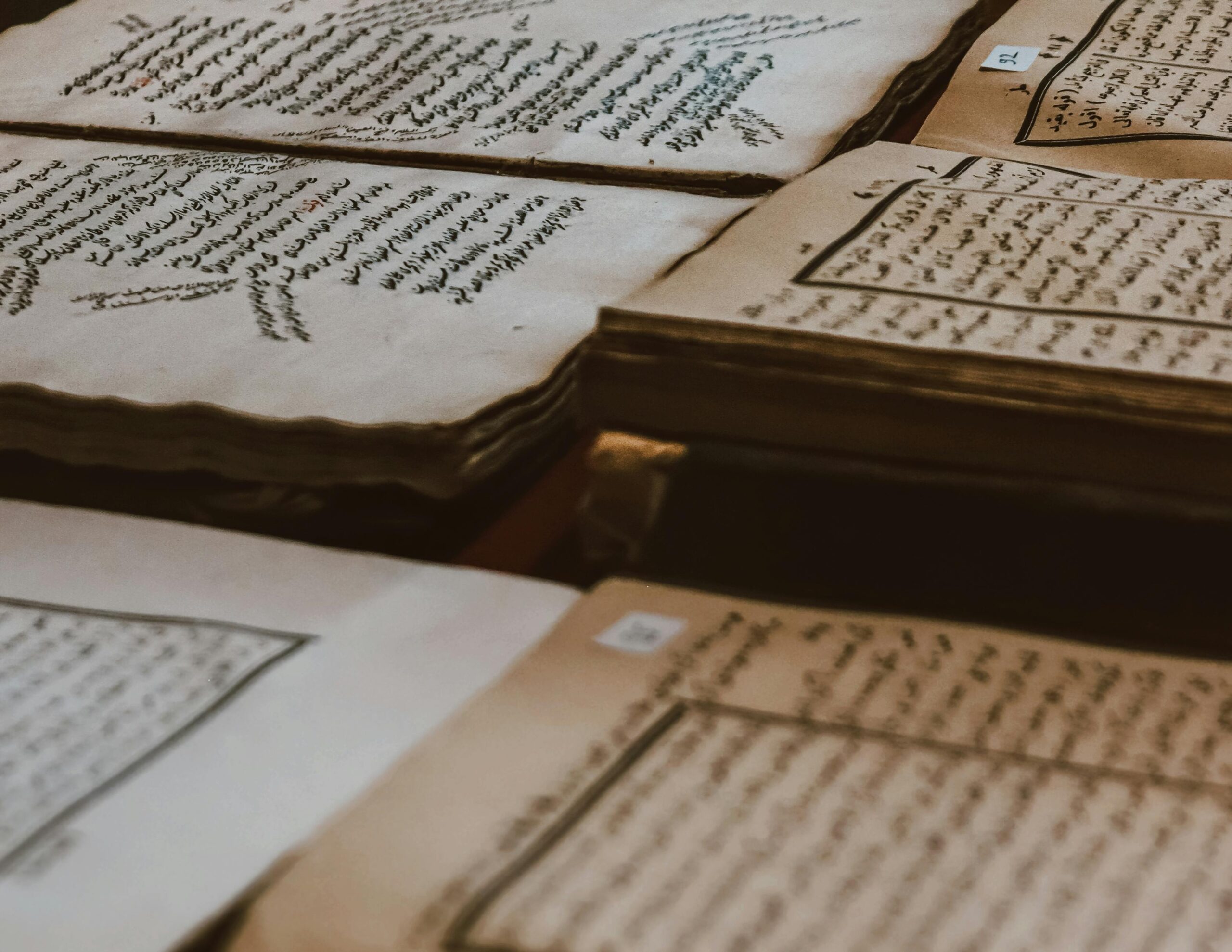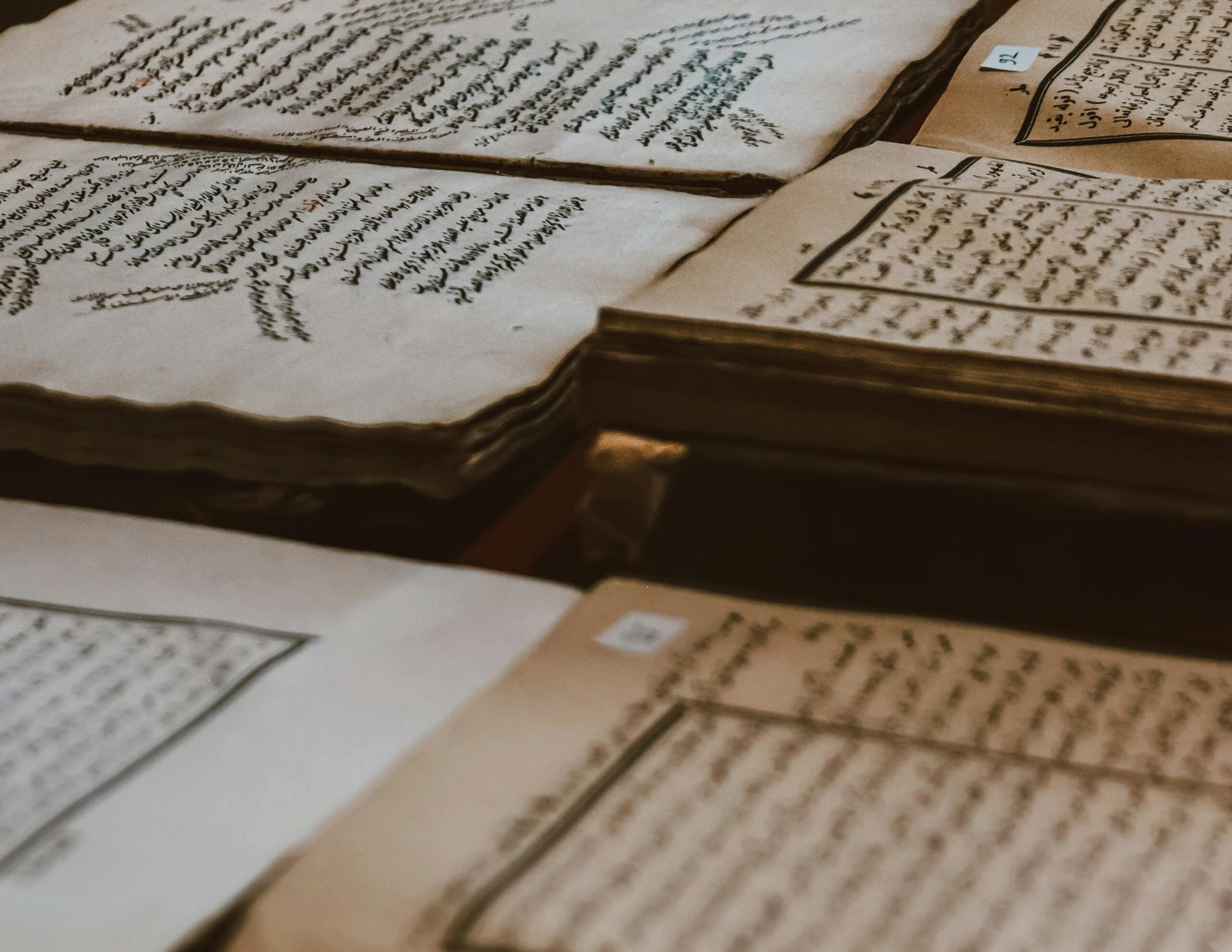
Artificial intelligence and machine learning are breathing new life into cultural heritage, transforming how we preserve, restore, and experience our shared history.

The intersection of cutting-edge technology and historical preservation has opened unprecedented possibilities for heritage conservation. From reconstructing damaged frescoes to virtually rebuilding ancient structures destroyed by conflict or natural disasters, AI-powered tools are enabling conservators and historians to accomplish what was once thought impossible. This technological revolution isn’t replacing human expertise—it’s amplifying it, providing professionals with powerful new capabilities to protect our cultural legacy for future generations.
🏛️ The Digital Renaissance of Heritage Conservation
Heritage restoration has traditionally been a painstaking, manual process requiring years of specialized training and countless hours of meticulous work. Conservators have relied on historical records, photographic archives, and expert knowledge to guide their restoration efforts. While these methods have preserved countless treasures, they face significant limitations when dealing with severely damaged artifacts or incomplete historical records.
Machine learning algorithms are now addressing these challenges head-on. By analyzing thousands of images and patterns from similar historical periods, AI systems can make educated predictions about missing elements in damaged artworks or structures. This capability has proven particularly valuable when working with fragmented manuscripts, weathered sculptures, and architectural ruins where large portions of the original work have been lost to time.
The technology works by training neural networks on vast datasets of historical imagery and architectural plans. These networks learn to recognize patterns, styles, and construction techniques characteristic of specific time periods and cultural contexts. When presented with damaged or incomplete heritage items, the AI can suggest probable reconstructions based on this learned knowledge, providing conservators with data-driven insights to inform their restoration decisions.
Breathing Color Back into Historical Photographs 📸
One of the most visually striking applications of AI in heritage restoration is the colorization of historical black-and-white photographs. While manual colorization has existed for decades, AI-powered solutions have dramatically improved both the speed and accuracy of this process. Deep learning models trained on millions of color images can now predict realistic colors for grayscale photographs with remarkable precision.
These colorization tools analyze the context, lighting, and subject matter within photographs to make intelligent color predictions. The technology recognizes elements like skin tones, vegetation, sky, and common objects, applying historically accurate colors based on learned patterns. This doesn’t just make old photographs more aesthetically appealing—it helps modern audiences connect more deeply with historical events and figures by presenting them in a more relatable, lifelike format.
Museums and archives worldwide are utilizing this technology to make their collections more accessible and engaging to contemporary audiences. The Imperial War Museum in London, for instance, has used AI colorization to bring century-old wartime photographs to life, creating powerful emotional connections with visitors who might otherwise view black-and-white imagery as distant and disconnected from their lived experience.
Reconstructing Lost Architectural Wonders 🏗️
Perhaps nowhere is the impact of AI more profound than in architectural heritage restoration. Conflicts, natural disasters, and simple neglect have destroyed countless architectural treasures throughout history. Traditional reconstruction methods require extensive documentation—architectural drawings, detailed photographs, and physical measurements—that often don’t exist for destroyed structures.
Machine learning is changing this equation. By training on surviving examples of similar architectural styles, periods, and regional building techniques, AI systems can generate plausible reconstructions of destroyed buildings from limited evidence. Researchers have successfully used these techniques to virtually recreate structures like Palmyra’s Temple of Bel in Syria, severely damaged by conflict in 2015.
The process typically involves several steps:
- Collecting all available documentation—photographs, drawings, historical descriptions, and survey data
- Analyzing similar surviving structures from the same period and region
- Using photogrammetry to create 3D models from historical photographs
- Employing generative adversarial networks (GANs) to fill gaps in the data
- Consulting human experts to validate and refine AI-generated reconstructions
This collaborative approach between artificial and human intelligence produces reconstructions that are both technically feasible and culturally authentic, providing valuable references for potential physical restoration projects or serving as permanent digital records of lost heritage.
Decoding Ancient Texts with Natural Language Processing 📜
Machine learning’s capabilities extend beyond visual restoration to linguistic heritage as well. Natural language processing (NLP) algorithms are helping scholars decode fragmentary ancient texts, fill gaps in damaged manuscripts, and even decipher previously unreadable scripts.
The Vesuvius Challenge exemplifies this application. This initiative uses machine learning to virtually unwrap and read ancient scrolls carbonized by the eruption of Mount Vesuvius in 79 AD. These scrolls, too fragile to physically open, have remained unread for nearly two millennia. By training neural networks on CT scans of the scrolls and patterns of readable ancient texts, researchers have successfully extracted words and passages without physically touching the delicate artifacts.
Similarly, AI systems are assisting in completing damaged or fragmented cuneiform tablets, medieval manuscripts, and other textual heritage. These tools analyze writing patterns, linguistic structures, and contextual clues to suggest probable completions for missing text sections, dramatically accelerating scholarly research and making previously inaccessible texts available for study.
Pattern Recognition in Damaged Artworks 🎨
Paintings and frescoes present unique restoration challenges. Over time, these works suffer from fading, cracking, water damage, and deliberate vandalism. Traditional restoration requires conservators to manually recreate damaged sections while respecting the original artist’s style and technique—a process demanding exceptional skill and years of training.
Computer vision algorithms trained on extensive datasets of artworks can now assist in this delicate process. These systems analyze brushstroke patterns, color palettes, compositional elements, and stylistic characteristics to suggest how damaged sections might have originally appeared. The technology is particularly effective at addressing repetitive damage patterns, such as cracks from structural instability or systematic fading due to light exposure.
One remarkable example comes from the restoration of Leonardo da Vinci’s “The Last Supper.” Researchers used AI to analyze the masterpiece’s deterioration patterns and predict what the original colors and details might have looked like. While human conservators made all final restoration decisions, the AI analysis provided invaluable guidance, ensuring interventions remained faithful to Leonardo’s original vision.
Creating Digital Twins for Preservation Planning 🔄
Beyond restoration, AI and machine learning are enabling proactive heritage conservation through digital twin technology. Digital twins are precise virtual replicas of physical heritage sites, created using laser scanning, photogrammetry, and drone imagery. Machine learning algorithms process this data to create highly detailed 3D models that can be used for monitoring, maintenance planning, and virtual access.
These digital twins serve multiple purposes. Conservation teams use them to track deterioration over time, identifying problem areas before they become critical. Researchers can conduct virtual studies without risking damage to fragile originals. Educators and the public can explore heritage sites remotely, democratizing access to cultural treasures that might otherwise remain inaccessible due to geographic distance, physical limitations, or conservation concerns.
The technology also provides an insurance policy against future loss. Should a heritage site suffer damage from disaster or conflict, its digital twin serves as a precise record for reconstruction efforts. This proved invaluable after the 2019 fire at Notre-Dame Cathedral in Paris, where existing laser scans and digital models are informing the ongoing restoration work.
Ethical Considerations and Human Oversight ⚖️
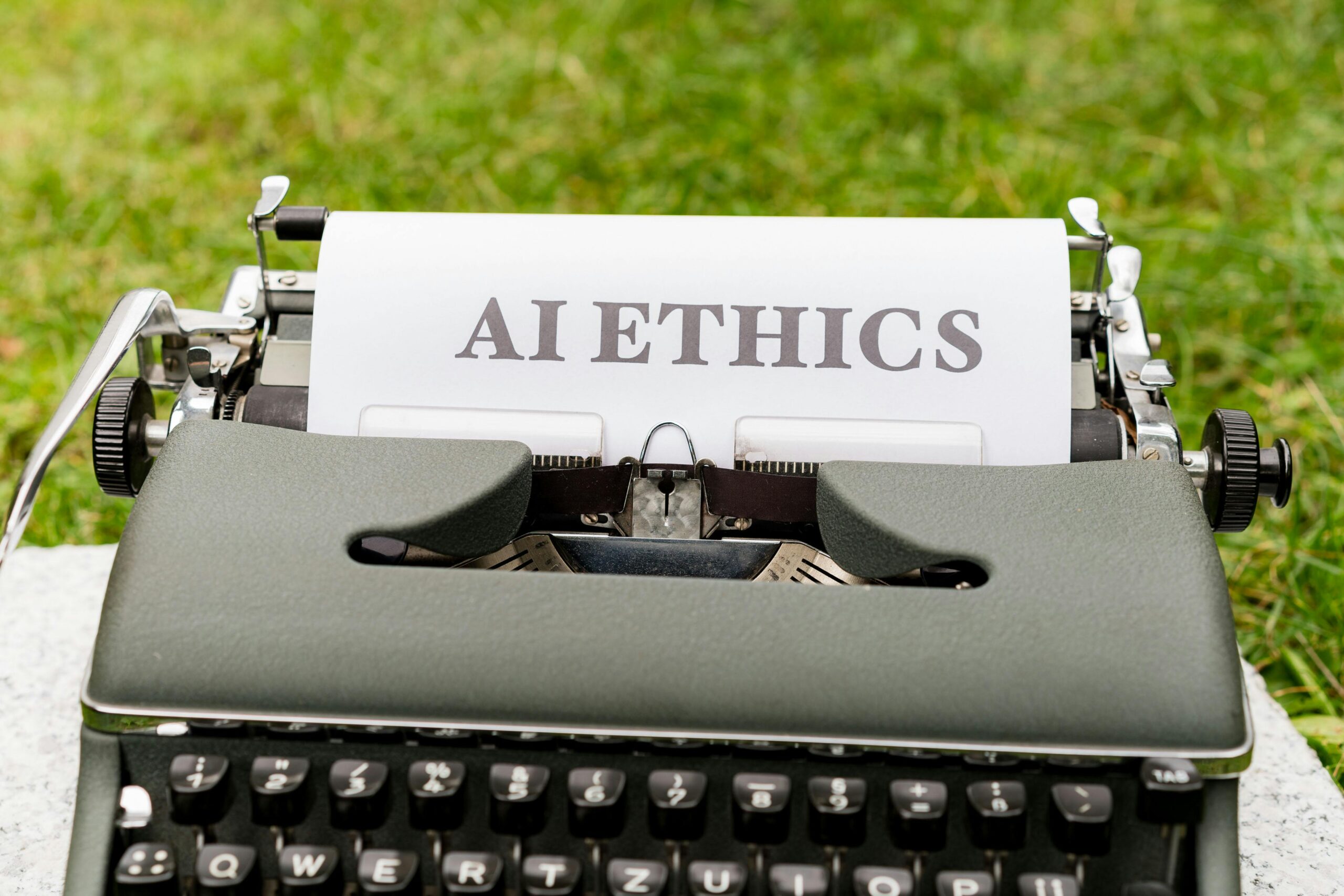
While AI and machine learning offer powerful tools for heritage restoration, they also raise important ethical questions that the conservation community must address thoughtfully. The most fundamental concern involves authenticity—at what point does AI-assisted restoration become fabrication rather than preservation?
Heritage conservation has always balanced restoration with respect for authenticity. The Venice Charter, the international framework for conservation practice, emphasizes that restoration should stop where speculation begins. AI’s predictive capabilities challenge this principle by enabling sophisticated speculation based on algorithmic analysis rather than definitive evidence.
Transparency becomes crucial in this context. When AI contributes to restoration decisions, conservators must clearly document which elements represent surviving original material and which represent AI-informed reconstruction. This documentation ensures future generations can distinguish between authentic heritage and algorithmic interpretation.
Another concern involves cultural sensitivity. AI systems trained primarily on Western architectural and artistic traditions may not perform well when applied to non-Western heritage, potentially leading to culturally inappropriate restoration suggestions. Ensuring diverse training datasets and incorporating local expertise becomes essential for ethical AI deployment in heritage contexts.
The Collaborative Future of Heritage Conservation 🤝
The most successful applications of AI in heritage restoration recognize that technology should augment, not replace, human expertise. The future lies in collaborative workflows where AI handles data-intensive analysis, pattern recognition, and initial reconstruction suggestions, while human experts provide cultural context, aesthetic judgment, and final decision-making authority.
This partnership model is already producing impressive results. At the Rijksmuseum in Amsterdam, conservators working on Rembrandt’s “The Night Watch” used AI analysis to inform their restoration strategy, but human judgment guided every intervention. The technology identified previously invisible details and predicted how damaged sections might have looked, but experienced conservators evaluated these suggestions against their knowledge of Rembrandt’s technique and historical evidence before proceeding.
Training the next generation of conservators to work effectively with AI tools represents another important frontier. Conservation programs are beginning to integrate digital skills and computational thinking alongside traditional craft expertise, preparing professionals who can leverage technology while maintaining the critical human judgment that heritage preservation demands.
Democratizing Access Through Virtual Reconstruction 🌍
AI-powered heritage restoration isn’t just about preserving physical artifacts—it’s also about making cultural heritage more accessible to global audiences. Virtual and augmented reality experiences built on AI-reconstructed heritage sites allow people worldwide to explore treasures they might never visit in person.
Museums are increasingly offering virtual tours where AI reconstruction shows damaged artworks or archaeological sites as they appeared in their prime. Visitors can toggle between current and reconstructed states, understanding both the heritage item’s history and its original glory. This educational dimension adds tremendous value, transforming passive observation into active engagement with cultural history.
Mobile applications are bringing these experiences directly to users’ devices, allowing anyone with a smartphone to explore reconstructed heritage sites, view restored artworks, and learn about conservation processes. These tools are particularly valuable for educational purposes, giving students and educators powerful resources for studying history, art, and cultural heritage.
Measuring Success in AI-Enhanced Restoration 📊
As AI becomes more prevalent in heritage conservation, establishing metrics for evaluating restoration success becomes increasingly important. Traditional assessment criteria—physical stability, reversibility of interventions, and respect for original materials—must now incorporate considerations specific to AI-assisted work.
| Evaluation Criteria | Traditional Restoration | AI-Enhanced Restoration |
|---|---|---|
| Accuracy | Based on historical records and expert judgment | Combines historical evidence with pattern analysis from similar works |
| Documentation | Photographic records and written reports | Includes training data sources, algorithmic decisions, and confidence levels |
| Reversibility | Physical interventions should be removable | Digital reconstructions inherently reversible; physical implementations follow traditional standards |
| Transparency | Clear distinction between original and restored elements | Documentation of AI contribution and confidence levels for suggestions |
These evolving standards help ensure that AI-enhanced restoration maintains the ethical principles that have guided heritage conservation while embracing technology’s potential to expand what’s possible in preservation work.
Looking Toward Tomorrow’s Heritage Challenges 🔮
Climate change, urbanization, and ongoing conflicts pose accelerating threats to cultural heritage worldwide. AI and machine learning will play increasingly critical roles in addressing these challenges, from predicting deterioration patterns based on environmental data to rapidly documenting at-risk sites before they’re lost.
Emerging technologies promise even more powerful capabilities. Quantum computing could enable far more complex heritage reconstructions by processing vastly larger datasets. Advanced neural networks might detect restoration needs invisible to human observers, enabling preventive conservation before damage becomes severe. Improved natural language processing could unlock insights from millions of historical documents, revealing connections and context that inform better restoration decisions.
The key to realizing this potential lies in continued investment in both technology development and the training of heritage professionals who can use these tools effectively. International cooperation will also be essential, ensuring that AI capabilities benefit heritage conservation worldwide rather than concentrating in wealthy institutions while vulnerable sites in developing regions lack access to these powerful tools.
Preserving Memory, Inspiring Future Generations 💭
At its core, heritage restoration is about more than preserving old objects or buildings—it’s about maintaining connections to our shared past and ensuring future generations can learn from history. AI and machine learning are proving to be remarkable allies in this essential work, offering capabilities that expand what’s possible while respecting the fundamental principles that make heritage conservation meaningful.
The technology enables us to recover cultural treasures once thought lost forever, to present history in ways that engage contemporary audiences, and to document our heritage with unprecedented precision. Yet the most important element remains the human commitment to remembering, understanding, and valuing our cultural legacy.
As we continue developing and deploying AI tools for heritage restoration, maintaining this human center becomes crucial. Technology should serve our values, not dictate them. The algorithms we build, the datasets we create, and the applications we prioritize should reflect our collective commitment to preserving cultural diversity, honoring authentic heritage, and making our shared history accessible to all.
The revolution in heritage restoration powered by artificial intelligence and machine learning represents one of the most positive applications of these transformative technologies. By combining computational power with human wisdom, we’re not just preserving the past—we’re ensuring it remains a living, inspiring presence in our present and future. The ancient stones speak to us once more, the faded colors return to life, and the stories written centuries ago become readable again, all thanks to the remarkable partnership between human dedication and artificial intelligence.