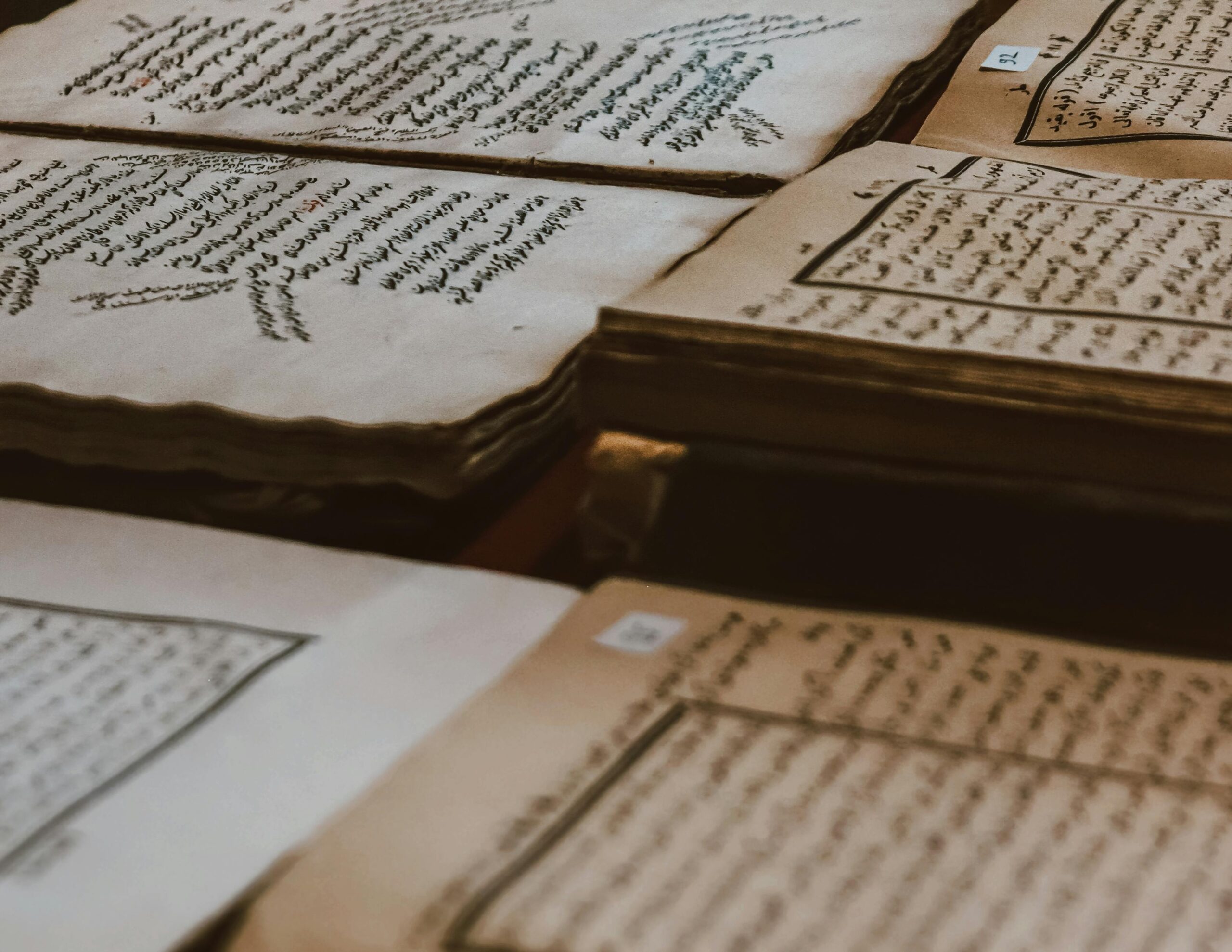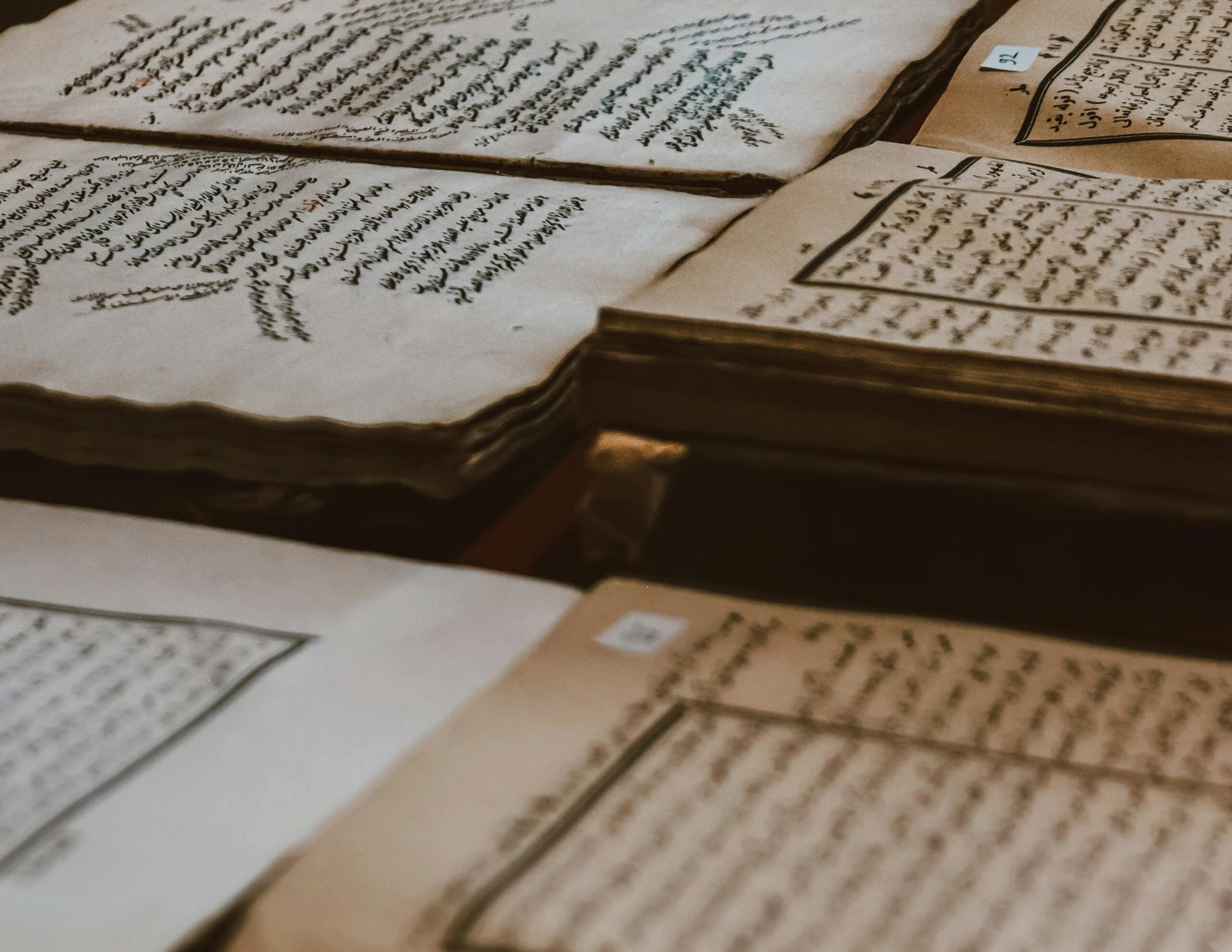
Modern technology is revolutionizing how we preserve cultural heritage, with 3D scanning and digital reconstruction offering unprecedented opportunities to document, study, and restore historical monuments for future generations. 🏛️

The Digital Renaissance of Cultural Heritage Preservation
The world’s monuments and historical structures face constant threats from natural disasters, pollution, climate change, armed conflicts, and the simple passage of time. Traditional preservation methods, while valuable, have limitations in capturing the intricate details and comprehensive data needed for accurate documentation and restoration. Enter 3D scanning technology—a game-changing approach that’s transforming how archaeologists, historians, and conservationists work to safeguard our shared cultural heritage.
Digital reconstruction techniques now allow us to create precise virtual replicas of monuments, enabling researchers to study architectural features without physical contact, plan restoration efforts with unprecedented accuracy, and even recreate structures that have been damaged or destroyed. This technological revolution isn’t just about creating impressive digital models; it’s about building a permanent, accessible archive of human civilization’s greatest achievements.
How 3D Scanning Technology Works in Heritage Conservation
Understanding the technology behind monument preservation helps us appreciate its revolutionary impact. Several scanning methods are currently employed in heritage documentation, each offering unique advantages depending on the project’s scope and requirements.
Laser Scanning and LiDAR Technology
Light Detection and Ranging (LiDAR) systems emit millions of laser pulses per second, measuring the time it takes for each pulse to bounce back from surfaces. This process creates what’s known as a “point cloud”—a collection of millions of individual points that together form a highly accurate three-dimensional representation of a structure. The precision can reach millimeter-level accuracy, capturing details invisible to traditional photography.
Ground-based laser scanners are typically used for detailed architectural documentation, while aerial LiDAR mounted on drones or aircraft can survey large archaeological sites, revealing hidden structures beneath vegetation that might otherwise remain undiscovered for decades.
Photogrammetry: Creating 3D Models from Photographs
Photogrammetry offers a more accessible entry point into 3D documentation. This technique uses overlapping photographs taken from multiple angles to reconstruct three-dimensional geometry through sophisticated algorithms. Modern software can process hundreds or even thousands of images to generate remarkably detailed models.
The advantage of photogrammetry lies in its relatively low equipment costs and the ability to capture color and texture information directly. Many heritage projects combine photogrammetry with laser scanning to achieve both geometric accuracy and photorealistic appearance.
Structured Light Scanning for Detailed Artifacts
For smaller objects, sculptures, and architectural details, structured light scanners project patterns of light onto surfaces and analyze the deformation of these patterns to calculate three-dimensional shapes. This method excels at capturing fine details, making it ideal for documenting decorative elements, inscriptions, and delicate artifacts.
Remarkable Success Stories in Monument Preservation 🌍
The practical applications of 3D scanning in heritage conservation have already produced stunning results worldwide, demonstrating the technology’s immense value.
The Digital Reconstruction of Palmyra
When ISIS militants destroyed ancient monuments in Palmyra, Syria, including the iconic Temple of Bel and the Arch of Triumph, the world mourned the loss of irreplaceable heritage. However, organizations like the Institute for Digital Archaeology had previously conducted extensive 3D documentation of these structures. These digital records now serve as blueprints for potential reconstruction efforts and ensure that scholars can continue studying these monuments in virtual form.
The Palmyra project demonstrated that digital preservation isn’t just academic—it can provide tangible hope for restoration even after catastrophic destruction.
Notre-Dame Cathedral’s Digital Resurrection
The devastating 2019 fire at Notre-Dame Cathedral in Paris shocked the world. Fortunately, art historian Andrew Tallon had previously created incredibly detailed laser scans of the cathedral, capturing billions of data points across the structure. These scans proved invaluable in planning the cathedral’s reconstruction, providing architects with precise measurements and structural information that would have been impossible to obtain after the fire.
This case highlighted how proactive digital documentation can serve as essential insurance for irreplaceable cultural treasures.
Revealing Hidden History at Angkor Wat
Aerial LiDAR surveys of the Angkor Archaeological Park in Cambodia revealed an extensive network of previously unknown structures, roads, and water management systems hidden beneath jungle canopy. This discovery fundamentally changed our understanding of the Khmer Empire’s urban planning and agricultural systems, demonstrating that even well-studied sites can still hold secrets waiting for the right technology to reveal them.
The Process: From Monument to Digital Twin
Creating a comprehensive digital record of a historical monument involves several carefully orchestrated steps, each requiring specialized expertise and attention to detail.
Planning and Preliminary Assessment
Before any scanning begins, conservation teams conduct thorough assessments to identify the monument’s most vulnerable features, areas of particular historical significance, and optimal scanning positions. This planning phase determines which technologies will be employed and ensures comprehensive coverage without blind spots.
Data Acquisition in the Field
Field work involves positioning scanning equipment at strategic locations around and sometimes inside the structure. For large monuments, this might require dozens or even hundreds of individual scan positions to ensure complete coverage. Weather conditions, lighting, and public access considerations all factor into scheduling these operations.
Modern projects often deploy multiple technologies simultaneously—terrestrial laser scanners for structural accuracy, drones for aerial perspectives, and close-range photogrammetry for detailed texture mapping.
Data Processing and Model Creation
Raw scan data requires extensive processing to transform millions of points and thousands of photographs into usable 3D models. Sophisticated software aligns multiple scans, removes noise and artifacts, and creates continuous mesh surfaces from point clouds. This computational process can take weeks or months for large, complex monuments.
Analysis, Annotation, and Archiving
The final digital model becomes a research platform. Experts can annotate specific features, measure distances and volumes, simulate structural stress, plan conservation interventions, and create derivative products like virtual reality experiences or 3D-printed replicas. Proper archiving ensures these digital assets remain accessible for future researchers.
Applications Beyond Simple Documentation 📊
Digital reconstruction technology opens doors to applications that extend far beyond creating beautiful 3D visualizations.
Structural Health Monitoring
By conducting periodic scans of monuments, conservationists can detect subtle changes over time—settling foundations, developing cracks, or erosion patterns. Comparing models from different dates provides quantitative data on deterioration rates, enabling proactive maintenance before minor issues become major problems.
Virtual Restoration and Hypothesis Testing
Digital models allow researchers to test restoration hypotheses virtually before committing to physical interventions. How might a damaged colonnade have originally looked? Where did missing architectural elements fit? Digital reconstruction enables scholars to experiment with different theories without risking damage to fragile original materials.
Education and Public Engagement
High-quality 3D models can be transformed into interactive educational experiences. Virtual reality applications transport students inside monuments they might never physically visit. Augmented reality apps can overlay digital reconstructions onto damaged ruins, helping visitors visualize original appearances. These tools make heritage accessible to global audiences.
Disaster Preparedness and Recovery Planning
Comprehensive digital documentation serves as disaster insurance. If earthquakes, floods, fires, or conflicts damage monuments, detailed 3D models provide essential references for restoration efforts. Some organizations are creating “digital arks”—comprehensive databases of at-risk heritage sites worldwide.
Challenges and Limitations of Digital Preservation
Despite its tremendous promise, 3D scanning and digital reconstruction face several significant challenges that must be acknowledged and addressed.
Technical and Financial Barriers
High-quality scanning equipment remains expensive, and processing large datasets requires powerful computing resources. Many developing nations with rich cultural heritage lack the financial resources and technical expertise to implement comprehensive digital documentation programs. This creates an unfortunate disparity where the most at-risk monuments may be the least documented.
Data Longevity and Format Obsolescence
Digital preservation presents a paradox: while creating permanent records, digital files require active management to remain accessible. File formats become obsolete, storage media degrades, and software evolves. Ensuring digital archives remain usable decades or centuries into the future requires ongoing commitment and resources.
The Question of Authenticity
Philosophical questions arise about the nature of heritage when physical monuments are replaced by or supplemented with digital reconstructions. Does a 3D-printed replica hold the same cultural value as an original stone carving? How much digital restoration is appropriate before a reconstruction becomes speculation rather than documentation? These debates continue within the heritage conservation community.
Emerging Technologies Shaping the Future of Heritage Conservation 🚀
The field of digital heritage preservation continues evolving rapidly, with several emerging technologies poised to enhance our capabilities further.
Artificial Intelligence and Machine Learning
AI algorithms are being trained to automatically identify architectural features, detect damage patterns, and even predict future deterioration. Machine learning can process vast datasets more efficiently than human operators, potentially reducing the time and cost of creating digital models. Neural networks show promise in reconstructing missing or damaged portions of monuments based on surviving elements and comparable structures.
Hyperspectral Imaging
Beyond visible light, hyperspectral cameras capture information across many wavelengths, revealing features invisible to the naked eye. This technology can detect previous restorations, identify original pigments on painted surfaces, and map material composition across monument surfaces, providing conservators with unprecedented diagnostic information.
Blockchain for Heritage Data Authentication
Blockchain technology offers potential solutions for verifying the authenticity and provenance of digital heritage records. By creating immutable records of data capture and processing, blockchain could address concerns about manipulation of digital reconstructions and ensure the integrity of heritage documentation.
Building a Collaborative Global Heritage Archive
The future of monument preservation lies in international collaboration and open data sharing. Several initiatives are working toward creating comprehensive digital archives accessible to researchers and the public worldwide.
Projects like CyArk have committed to digitally preserving 500 heritage sites, making data freely available for research and education. UNESCO supports digital documentation of World Heritage Sites, recognizing that preservation transcends national boundaries. These collaborative efforts pool resources, expertise, and data to create a global safety net for cultural heritage.
Open-source software and standardized data formats facilitate sharing and interoperability between different projects. When teams worldwide can build upon each other’s work rather than duplicating efforts, the entire field advances more rapidly.
Training the Next Generation of Digital Conservationists
As technology becomes increasingly central to heritage preservation, educational programs are evolving to produce professionals who combine traditional conservation knowledge with advanced technical skills.
Universities now offer specialized programs in digital heritage, teaching students to operate scanning equipment, process complex datasets, and apply computational methods to archaeological and conservation questions. This interdisciplinary field draws from archaeology, architecture, computer science, engineering, and art history, creating professionals equipped to tackle the multifaceted challenges of modern heritage preservation.
The Ethical Dimensions of Digital Heritage
Technology raises important ethical questions about ownership, access, and representation of cultural heritage. Who owns digital models of monuments? Should this data be freely accessible, or can it be commercialized? How do source communities participate in decisions about digitizing and representing their cultural heritage?
Indigenous groups and local communities increasingly assert rights to control how their heritage is documented, interpreted, and shared. Respectful digital preservation practices require genuine consultation and collaboration with stakeholders, ensuring that technology serves communities rather than simply extracting their cultural resources.
Transforming Conservation Through Digital Innovation
The integration of 3D scanning and digital reconstruction into heritage conservation represents more than technological advancement—it reflects a fundamental shift in how humanity approaches preserving its cultural legacy. These tools provide unprecedented capabilities to document, analyze, protect, and share the monuments that connect us to our past.
As climate change, urban development, and social conflicts increasingly threaten cultural heritage worldwide, digital preservation offers both immediate practical benefits and long-term security. The detailed records being created today will serve researchers and communities for generations, ensuring that even if physical monuments fall victim to time or tragedy, their memory and meaning endure.
The challenge ahead lies not in the technology itself, which continues advancing at remarkable pace, but in ensuring equitable access, sustainable practices, and community engagement. By approaching digital heritage preservation as a collaborative, inclusive endeavor, we can build an archive that truly represents human civilization’s diversity and creativity.
Every monument documented, every structure scanned, and every digital reconstruction completed adds another thread to the tapestry of preserved human achievement. Through the convergence of cutting-edge technology and timeless dedication to cultural preservation, we’re ensuring that the secrets and stories embodied in monuments worldwide remain accessible, unlocking insights for future generations who will continue the never-ending work of understanding where we’ve been and imagining where we might go. ✨