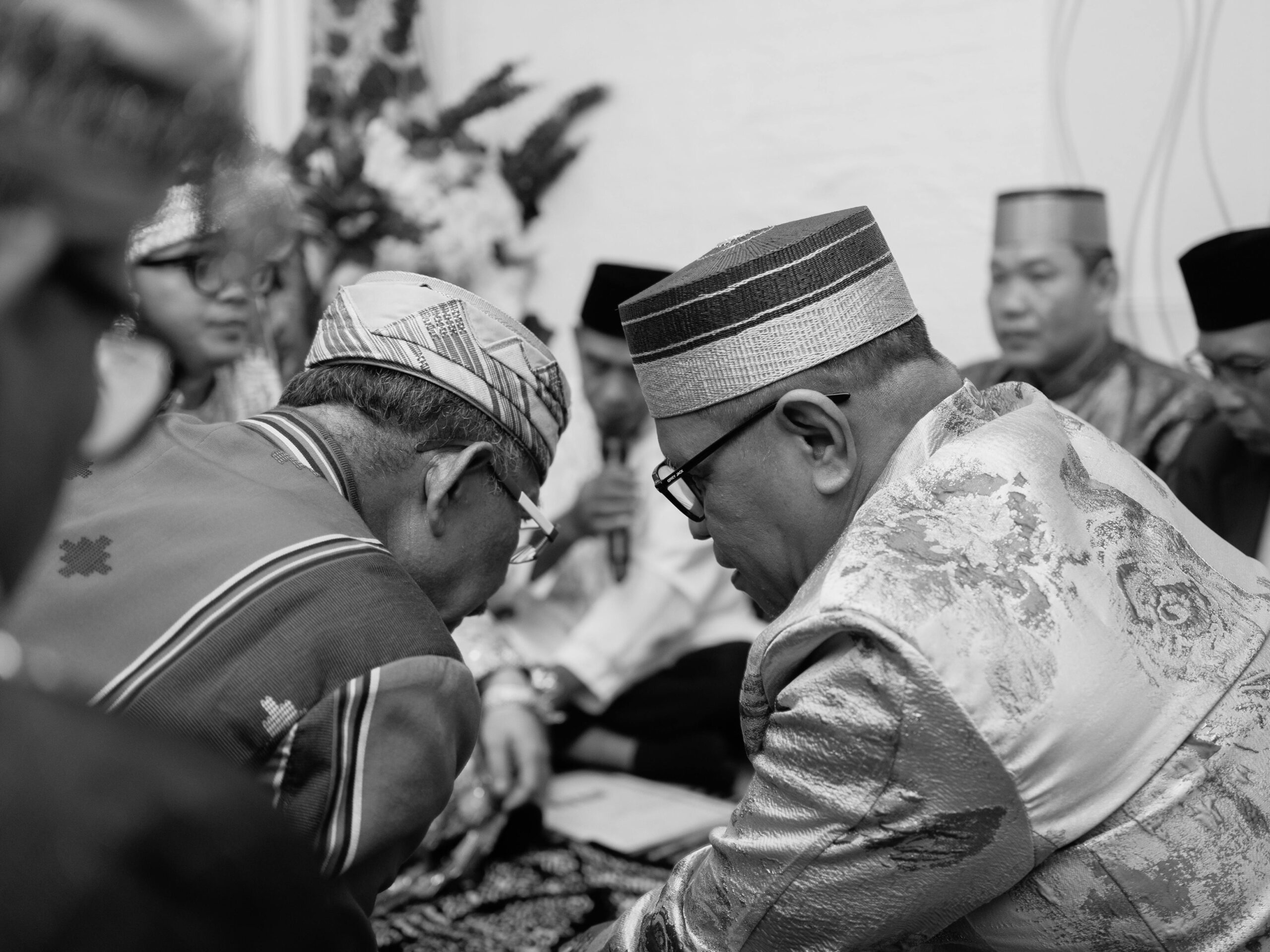
Global travel has become more than a leisure activity—it’s a powerful force reshaping cultural traditions, social practices, and personal identities across continents.

🌍 The New Era of Cultural Exchange
In an age where borders seem increasingly permeable and digital connectivity brings distant cultures to our fingertips, physical travel remains an irreplaceable catalyst for transformation. The modern traveler doesn’t simply observe traditions from afar; they participate, question, adapt, and ultimately influence the very customs they encounter. This dynamic exchange creates a fascinating paradox where traditions simultaneously evolve and preserve their core essence through global exposure.
The impact of international tourism on local customs manifests in countless ways. From the fusion cuisines appearing in street markets from Bangkok to Barcelona, to the adaptation of religious festivals to accommodate foreign visitors, communities worldwide are negotiating the delicate balance between cultural preservation and economic opportunity. This negotiation isn’t new, but the scale and speed at which it occurs today is unprecedented.
When Wanderlust Meets Cultural Heritage
Traditional ceremonies that once occurred in relative isolation now unfold before smartphone cameras and social media streams. This visibility brings both challenges and opportunities. Indigenous communities in Peru, for instance, have developed sustainable tourism models that allow visitors to experience ancient weaving techniques while ensuring the craft’s authentic transmission to younger generations. The financial incentive created by tourist interest has revitalized practices that might otherwise have faded into obscurity.
However, this exposure demands careful stewardship. The commodification of sacred rituals risks reducing profound spiritual experiences to entertainment spectacles. Communities from Bali to New Zealand have implemented visitor guidelines and restricted access to certain ceremonies, recognizing that some traditions lose their meaning when performed primarily for external audiences.
Digital Nomads and Traditional Communities
The rise of remote work has created a new category of long-term travelers who immerse themselves more deeply in local cultures than conventional tourists. These digital nomads often establish meaningful connections with host communities, learning languages, participating in daily rituals, and contributing to local economies in sustained ways. Their presence in previously isolated regions brings both modernization pressures and opportunities for cultural dialogue.
Small towns in Portugal, Mexico, and Southeast Asia have experienced demographic shifts as remote workers seek affordable, scenic locations with reliable internet. This influx challenges traditional community structures while injecting vitality and resources into aging populations. The cultural exchange becomes bidirectional—locals adopt new perspectives on work-life balance while visitors embrace slower, more community-oriented lifestyles.
🍜 Culinary Traditions in the Age of Global Palates
Perhaps no aspect of culture demonstrates travel’s transformative impact more visibly than food. Traditional cuisines evolve as chefs incorporate techniques and ingredients discovered through travel, while culinary tourism drives visitors to seek authentic gastronomic experiences. The result is a complex culinary landscape where tradition and innovation coexist in creative tension.
In major cities worldwide, immigrant communities maintain culinary traditions while adapting to local tastes and available ingredients. These adaptations often create entirely new dishes that become traditions in their own right. Consider the California roll in sushi restaurants or the vindaloo in British Indian cuisine—both emerged from cultural contact and are now integral to their respective culinary traditions.
Street Food as Cultural Ambassador
Street food vendors have become unlikely ambassadors of cultural exchange. A taco truck in Berlin introduces German palates to Mexican flavors, while a banh mi stand in Sydney represents Vietnamese culinary heritage to Australian communities. These micro-enterprises preserve traditional recipes while necessarily adapting to new contexts, creating living examples of cultural evolution through travel and migration.
Food tours have become among the most popular travel experiences, with visitors eager to understand cultures through their cuisines. This demand has professionalized informal food sectors in many countries, bringing economic benefits while raising questions about authenticity and commodification. When a family recipe becomes a tourist attraction, does it lose something essential, or does it gain new life through appreciation and economic sustainability?
Language Evolution Through Global Interaction
Travel accelerates language evolution in fascinating ways. English increasingly functions as a global lingua franca, but this dominance occurs alongside the preservation and celebration of minority languages through cultural tourism. Travelers seeking authentic experiences often attempt to learn basic phrases in local languages, creating demand for language instruction and cultural interpretation services.
Mobile translation technology has revolutionized cross-cultural communication, enabling interactions that would have been impossible just decades ago. While some worry this reduces incentive to learn languages, evidence suggests technology actually increases curiosity about linguistic diversity. Travelers use translation apps as bridges to deeper understanding rather than replacements for genuine communication.
Revival of Endangered Languages
Interestingly, tourism has contributed to the revival of some endangered languages. In Wales, Ireland, and New Zealand, language preservation efforts have gained momentum partly through cultural tourism that values indigenous linguistic heritage. Visitors specifically seek experiences conducted in native languages, creating economic incentives for communities to maintain linguistic traditions.
🎨 Artistic Expression in a Connected World
Global travel has transformed how artists create and share their work. Traditional art forms gain new audiences through tourism while contemporary artists draw inspiration from multiple cultural traditions encountered through travel. This cross-pollination produces hybrid art forms that challenge conventional definitions of cultural authenticity.
Street art demonstrates this phenomenon vividly. Graffiti and mural artists travel internationally, leaving works that blend their personal style with local themes and techniques. These urban artworks create dialogues between cultures, making cities into canvases for global artistic conversation. Traditional crafts also evolve through exposure to international markets, with artisans adapting ancient techniques to contemporary aesthetics.
Religious Practices and Spiritual Tourism
Pilgrimages represent humanity’s oldest form of spiritual travel, but modern spiritual tourism encompasses broader seeking behaviors. Visitors undertake yoga retreats in India, meditation courses in Thailand, and ayahuasca ceremonies in Peru, engaging with religious traditions outside their cultural contexts. This phenomenon raises complex questions about cultural appropriation, commodification, and genuine spiritual exchange.
Sacred sites worldwide balance religious significance with tourist revenue. The Camino de Santiago in Spain attracts both traditional pilgrims and secular hikers seeking personal transformation. Buddhist temples in Asia welcome visitors while maintaining spaces reserved for worship. These accommodations represent pragmatic negotiations between preservation and accessibility.
Mindfulness and Eastern Practices in Western Contexts
The global popularity of yoga and mindfulness meditation demonstrates how travel experiences influence domestic practices. Westerners encounter these traditions through travel, then establish studios and practice communities at home, often adapting traditions significantly. While some criticize this as appropriation, others see it as natural cultural evolution driven by genuine appreciation and need.
🏘️ Architecture and Urban Design Across Borders
Travel influences how we design and inhabit spaces. Architects draw inspiration from vernacular building traditions encountered worldwide, incorporating sustainable techniques and aesthetic principles into contemporary structures. The popularity of Japanese minimalism, Scandinavian hygge, and Mediterranean outdoor living demonstrates how exposure to different spatial traditions shapes domestic preferences.
Urban planning increasingly reflects global best practices as city officials study successful models abroad. Bike infrastructure from Copenhagen appears in cities worldwide, while car-free zones inspired by European pedestrian districts emerge in Asian and American cities. This exchange of ideas improves urban livability while raising questions about whether cities are losing distinctive character through homogenization.
Fashion as Cultural Conversation
Global travel has made fashion a dynamic conversation among cultures. Designers incorporate motifs, textiles, and techniques from diverse traditions into collections shown in fashion capitals worldwide. This creative exchange sometimes veers into appropriation, particularly when commercial fashion borrows from indigenous cultures without acknowledgment or compensation.
However, fashion also enables cultural preservation and innovation. Textile cooperatives in Guatemala, Morocco, and India maintain traditional weaving and dyeing techniques while accessing global markets through tourism and e-commerce. Contemporary designers collaborate with traditional artisans, creating pieces that honor heritage while embracing modern aesthetics.
📱 Technology’s Role in Cultural Documentation
Social media has fundamentally changed how travel influences traditions. Instagram-worthy locations experience dramatic increases in visitors, sometimes overwhelming local infrastructure and communities. The pressure to create shareable content influences which traditions receive attention and how they’re presented to outsiders.
Yet technology also enables unprecedented cultural documentation and preservation. Endangered traditions gain visibility through video platforms, virtual reality allows people to experience distant places without physical travel, and digital archives preserve cultural knowledge for future generations. The challenge lies in balancing documentation with exploitation, ensuring communities control their cultural narratives.
Environmental Considerations and Sustainable Traditions
As awareness of travel’s environmental impact grows, tourists increasingly seek sustainable experiences that respect local ecosystems and traditions. Ecotourism initiatives in Costa Rica, Bhutan, and Kenya demonstrate how tourism can support both conservation and cultural preservation when properly managed.
Indigenous communities often lead sustainable tourism efforts, sharing traditional ecological knowledge with visitors while generating income that supports land stewardship. These models challenge extractive tourism paradigms, positioning communities as active partners rather than passive backdrops for tourist experiences.
🌏 The Future of Cultural Exchange Through Travel
Looking forward, travel’s impact on traditions will likely intensify. Climate change may redirect travel patterns toward cooler destinations, shifting which cultures experience tourism pressures. Virtual and augmented reality technologies might reduce some physical travel while increasing curiosity about distant cultures. Whatever changes emerge, the fundamental human desire to experience different ways of life will persist.
The key challenge involves fostering travel that enriches both visitors and hosts, enabling genuine cultural exchange without exploitation or erasure. This requires travelers who approach other cultures with humility and openness, communities empowered to set boundaries around their traditions, and tourism industries that prioritize sustainability over short-term profits.

Reimagining Tradition in a Mobile World
Ultimately, the relationship between global travel and cultural traditions isn’t simply about preservation versus change. Traditions have always evolved through contact and exchange; what differs today is the speed and scale of interaction. Rather than mourning the loss of “pure” traditions, we might celebrate the creative adaptations emerging from increased global mobility.
Young people in traditional communities increasingly navigate multiple cultural identities, maintaining heritage practices while embracing global influences. This hybridity represents not cultural loss but evolution—traditions remaining vital by remaining relevant. The challenge isn’t preventing change but ensuring communities retain agency over how their traditions develop.
Travel at its best cultivates empathy, challenges assumptions, and reveals our common humanity beneath cultural differences. When approached thoughtfully, the global movement of people becomes a force for understanding rather than homogenization. Every journey potentially transforms both traveler and host, creating ripples that reshape traditions in ways large and small.
As we continue exploring this interconnected world, the question isn’t whether travel will change traditions—it already has and will continue to do so. Instead, we must ask how we can facilitate exchanges that honor cultural heritage while embracing inevitable evolution, ensuring that global travel enriches rather than diminishes the magnificent diversity of human traditions.