
Tourism has become a powerful vehicle for safeguarding traditions, languages, and customs that might otherwise fade into obscurity, creating meaningful connections between visitors and communities worldwide.

🌍 The Vital Link Between Tourism and Cultural Preservation
In an increasingly globalized world, cultural identity faces unprecedented challenges. Traditional practices, indigenous languages, and ancestral knowledge systems are disappearing at alarming rates. Yet tourism, when approached thoughtfully, offers a lifeline to these endangered aspects of human heritage. Rather than accelerating cultural erosion, sustainable tourism can provide the economic incentive and global platform necessary for communities to celebrate and maintain their unique identities.
The relationship between tourism and culture is symbiotic. Travelers seek authentic experiences that connect them to the soul of a destination, while communities need viable ways to keep their traditions alive for future generations. This mutual interest creates opportunities for cultural exchange that benefits both visitors and hosts, fostering understanding while generating resources for preservation efforts.
Cultural tourism now represents one of the fastest-growing segments of the travel industry, with millions of people actively seeking destinations where they can immerse themselves in local traditions, culinary heritage, and historical narratives. This demand has transformed cultural preservation from a purely academic or governmental concern into a community-driven economic activity.
Heritage as an Economic Asset
When communities recognize their cultural heritage as valuable, they invest in its maintenance. Tourism provides tangible economic benefits that justify the effort required to preserve traditional crafts, rituals, and architectural landmarks. In regions where economic opportunities are limited, cultural tourism can become a primary income source, giving younger generations reasons to stay connected to their roots rather than abandoning traditional lifestyles.
Indigenous communities in New Zealand have successfully leveraged Maori culture as a tourism draw, creating employment opportunities while ensuring cultural practices remain vibrant. Similarly, communities throughout Southeast Asia, Latin America, and Africa have discovered that their unique cultural expressions hold significant value in the global tourism marketplace.
This economic dimension transforms cultural preservation from a burden into an investment. Communities begin documenting oral histories, restoring historic buildings, and training young people in traditional arts—not just for cultural reasons, but because these activities generate sustainable livelihoods.
🎨 Revitalizing Traditional Arts and Crafts
Traditional craftsmanship faces extinction when industrial production and changing consumer preferences make handmade goods economically unviable. Tourism creates markets for authentic artisan products, providing craftspeople with income that supports the continuation of their work. Visitors value the authenticity and story behind handmade items, willing to pay premium prices that mass production cannot match.
In Guatemala, Mayan textile traditions have experienced renewed vitality through tourism. Women weavers can support their families while practicing skills passed down through generations. The tourism market has incentivized the preservation of natural dyeing techniques and intricate weaving patterns that might otherwise have been abandoned for faster, cheaper production methods.
Similarly, Japanese pottery villages, Italian glassblowing communities, and Indian block-printing workshops thrive partly because tourism provides both customers and audiences for demonstrations. These interactions create cultural exchange opportunities where artisans share not just products but the stories, philosophies, and techniques embedded in their crafts.
Creating Apprenticeship Opportunities
When traditional crafts become economically viable through tourism, master craftspeople can afford to take on apprentices. Young people see sustainable career paths in learning ancestral skills rather than viewing them as obsolete practices. This intergenerational knowledge transfer is essential for cultural continuity, ensuring techniques survive beyond a single generation of practitioners.
Protecting Architectural and Archaeological Heritage
Historic buildings and archaeological sites face constant threats from environmental degradation, urban development, and simple neglect. Tourism provides both the motivation and funding for preservation efforts. Entrance fees, guided tours, and hospitality services around heritage sites generate revenue that can be reinvested in conservation work.
Angkor Wat in Cambodia exemplifies how tourism can support massive preservation projects. Revenue from visitors helps fund ongoing restoration while raising global awareness about the site’s significance. Without tourism income, maintaining such extensive temple complexes would place impossible burdens on national budgets.
Similarly, European cities have leveraged heritage tourism to restore medieval quarters and Renaissance palaces. The economic activity surrounding these sites—hotels, restaurants, museums—creates stakeholder communities invested in maintaining historical authenticity rather than demolishing old structures for modern development.
🍽️ Culinary Heritage and Gastronomic Tourism
Food culture represents one of the most accessible and engaging forms of cultural heritage. Gastronomic tourism has become a powerful force for preserving traditional cooking methods, heirloom ingredients, and regional culinary traditions. When travelers seek authentic local cuisine, they create demand that supports traditional food producers and restaurants serving ancestral recipes.
The slow food movement and farm-to-table trends have elevated traditional foodways from peasant fare to celebrated cuisine. Regions throughout Italy, France, Mexico, and Thailand have built tourism industries around their culinary heritage, ensuring that traditional dishes remain part of living culture rather than becoming museum pieces.
Indigenous food systems benefit particularly from gastronomic tourism. Native crops that were becoming marginalized by industrial agriculture gain new value when featured in tourism experiences. Traditional fishing, farming, and foraging practices continue because they produce ingredients that tourists specifically seek.
Cooking Classes and Food Tours
Interactive culinary experiences allow visitors to engage deeply with food culture while providing income for local families. Cooking classes in people’s homes create cultural exchange opportunities that benefit both hosts and guests. Food tours support small producers, family restaurants, and market vendors who maintain traditional practices.
Preserving Intangible Cultural Heritage
Beyond physical artifacts and sites, intangible heritage—languages, music, dance, rituals, and oral traditions—requires living communities to survive. Tourism can create contexts where these practices remain relevant and valued. Performances for visitors, storytelling sessions, and cultural demonstrations keep traditions active while educating outsiders about their significance.
Flamenco in Spain, hula in Hawaii, and tango in Argentina have all benefited from tourism interest that supports performers, teachers, and cultural schools. These art forms might have become historical curiosities without the economic ecosystem tourism provides. Instead, they remain vibrant contemporary practices with both traditional and innovative expressions.
Language preservation also connects to tourism. When visitors want to learn basic phrases or understand place names, communities have incentives to maintain linguistic traditions. Tourism materials, signage, and interpretation create documentation that supports language education programs.
📚 Museums and Cultural Centers as Tourism Anchors
Tourism revenue supports the creation and maintenance of museums, cultural centers, and interpretation facilities that serve both visitors and local communities. These institutions become repositories of collective memory, educational resources, and community gathering spaces. They provide formal structures for heritage preservation that complement living traditions.
The National Museum of the American Indian in Washington, D.C., serves as both a major tourist attraction and a center for indigenous cultural preservation. Similarly, cultural centers throughout the Pacific Islands, Africa, and the Americas use tourism revenue to support language programs, traditional arts instruction, and community cultural activities.
These institutions also provide employment for cultural specialists—curators, educators, performers, and guides—creating professional opportunities that value cultural knowledge and expertise.
Community-Based Tourism Models
The most successful cultural preservation through tourism occurs when communities control tourism development. Community-based tourism models ensure that benefits remain local and that cultural representation remains authentic. This approach contrasts with extractive tourism where outside operators profit while communities bear cultural and environmental costs.
In Costa Rica, rural communities have developed eco-tourism cooperatives that showcase agricultural traditions and forest knowledge. Visitors stay in local homes, participate in daily activities, and learn directly from community members. This model generates income while reinforcing the value of traditional lifestyles.
Indigenous communities in Alaska, Canada, and Scandinavia offer similar experiences, where visitors gain insights into traditional subsistence practices, environmental knowledge, and cultural worldviews. These programs respect cultural boundaries while sharing aspects that communities choose to make public.
Ethical Considerations in Cultural Tourism
Cultural tourism carries responsibilities. Visitors must approach cultural experiences with respect, seeking to learn rather than merely consume. Communities need agency in deciding what to share, how to present their culture, and how to manage tourism impacts. The line between cultural exchange and cultural exploitation requires constant negotiation and clear ethical guidelines.
🌱 Festivals and Celebrations as Tourism Draws
Traditional festivals provide concentrated opportunities for cultural preservation and tourism. Annual celebrations maintain ritual calendars, traditional costumes, music, and ceremonial practices. Tourism interest can revitalize festivals that were declining, providing resources for elaborate preparations and attracting younger generations back to participation.
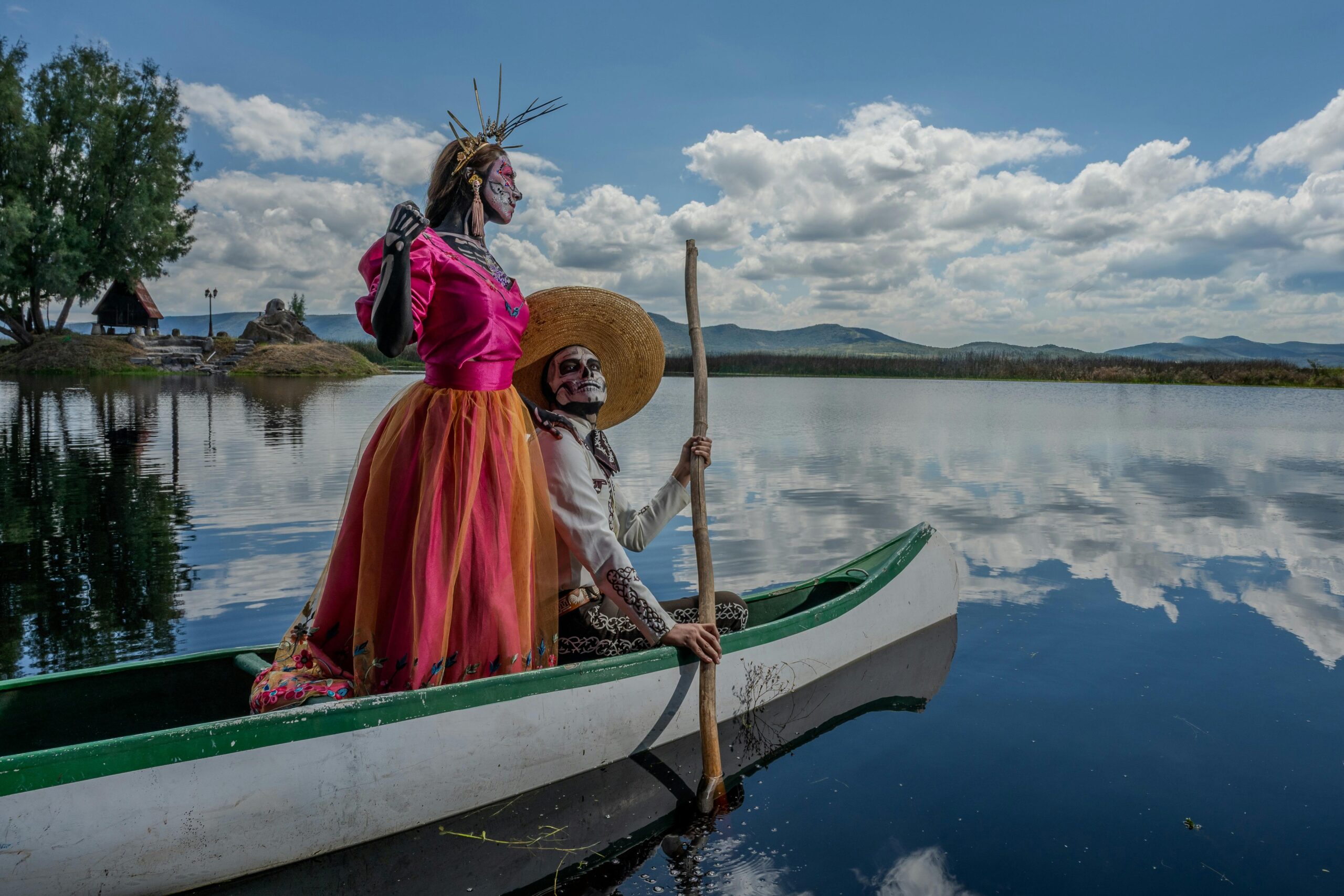
The Day of the Dead celebrations in Mexico, Carnival throughout Latin America and the Caribbean, and Songkran in Thailand have all experienced renewed vigor partly through tourism interest. While some worry about authenticity when festivals become tourist attractions, the economic support often enables more elaborate and frequent cultural expressions than would otherwise be possible.
Religious pilgrimages also intersect with tourism, supporting the maintenance of sacred sites, traditional practices, and cultural landscapes. The Camino de Santiago in Spain, Kumbh Mela in India, and various Buddhist pilgrimage routes throughout Asia demonstrate how spiritual traditions and tourism can coexist beneficially.
Education and Cultural Exchange Programs
Tourism creates educational opportunities that extend beyond casual visits. Study abroad programs, cultural immersion experiences, and volunteer tourism connect visitors more deeply with host communities. These extended engagements often lead to lasting relationships and support networks that benefit cultural preservation efforts.
Educational tourism also works in reverse, with cultural practitioners traveling to share their traditions abroad. Musicians, dancers, craftspeople, and cultural experts participate in festivals, workshops, and residency programs worldwide, raising awareness and support for their cultural heritage.
🔄 Digital Technology and Virtual Cultural Tourism
Digital platforms have expanded cultural tourism’s reach and preservation potential. Virtual museum tours, online cultural performances, and digital archives make heritage accessible to global audiences while creating additional revenue streams. These technologies also support documentation efforts that preserve cultural knowledge for future generations.
Social media has amplified cultural tourism’s impact, with travelers sharing experiences that inspire others and raise awareness about lesser-known cultural treasures. This visibility can be double-edged, sometimes bringing overwhelming tourist numbers, but it generally increases appreciation and support for cultural preservation.
Challenges and Sustainable Approaches
Cultural tourism faces significant challenges. Overtourism can damage the very heritage it claims to preserve, turning living cultures into staged performances and overwhelming communities with visitor numbers. Authenticity concerns arise when cultural expressions are modified for tourist consumption, potentially diluting their original meanings and functions.
Sustainable cultural tourism requires careful management: visitor number limits, seasonal distribution, community consultation, and benefit-sharing mechanisms. UNESCO’s World Heritage program and various certification schemes help establish standards, though implementation varies widely.
Climate change adds urgency to cultural preservation efforts, as rising seas, extreme weather, and environmental degradation threaten both cultural sites and traditional ways of life. Tourism revenue can support climate adaptation efforts, but the industry must also address its own carbon footprint.
💫 Looking Forward: Tourism’s Role in Cultural Continuity
The future of cultural preservation through tourism depends on evolving more equitable, sustainable models that prioritize community wellbeing and cultural integrity over profit maximization. Travelers increasingly seek meaningful engagement rather than superficial encounters, creating opportunities for deeper, more respectful cultural exchange.
Younger generations in many communities are rediscovering their heritage, often motivated by tourism opportunities that make traditional knowledge economically valuable. This trend suggests that tourism, despite its challenges, will continue playing a significant role in keeping diverse cultures vibrant and visible in our interconnected world.
As we move forward, the goal must be tourism that serves cultural preservation rather than cultures serving tourism. When communities control their narratives, benefit economically, and maintain agency over their cultural expressions, tourism becomes a genuine force for heritage celebration and identity preservation.
The stories, skills, and traditions that make human culture endlessly fascinating deserve protection and celebration. Tourism, when practiced with respect and intention, provides both the means and the motivation for communities worldwide to keep their heritage alive, share it with appreciative audiences, and pass it confidently to future generations who will continue these precious traditions.