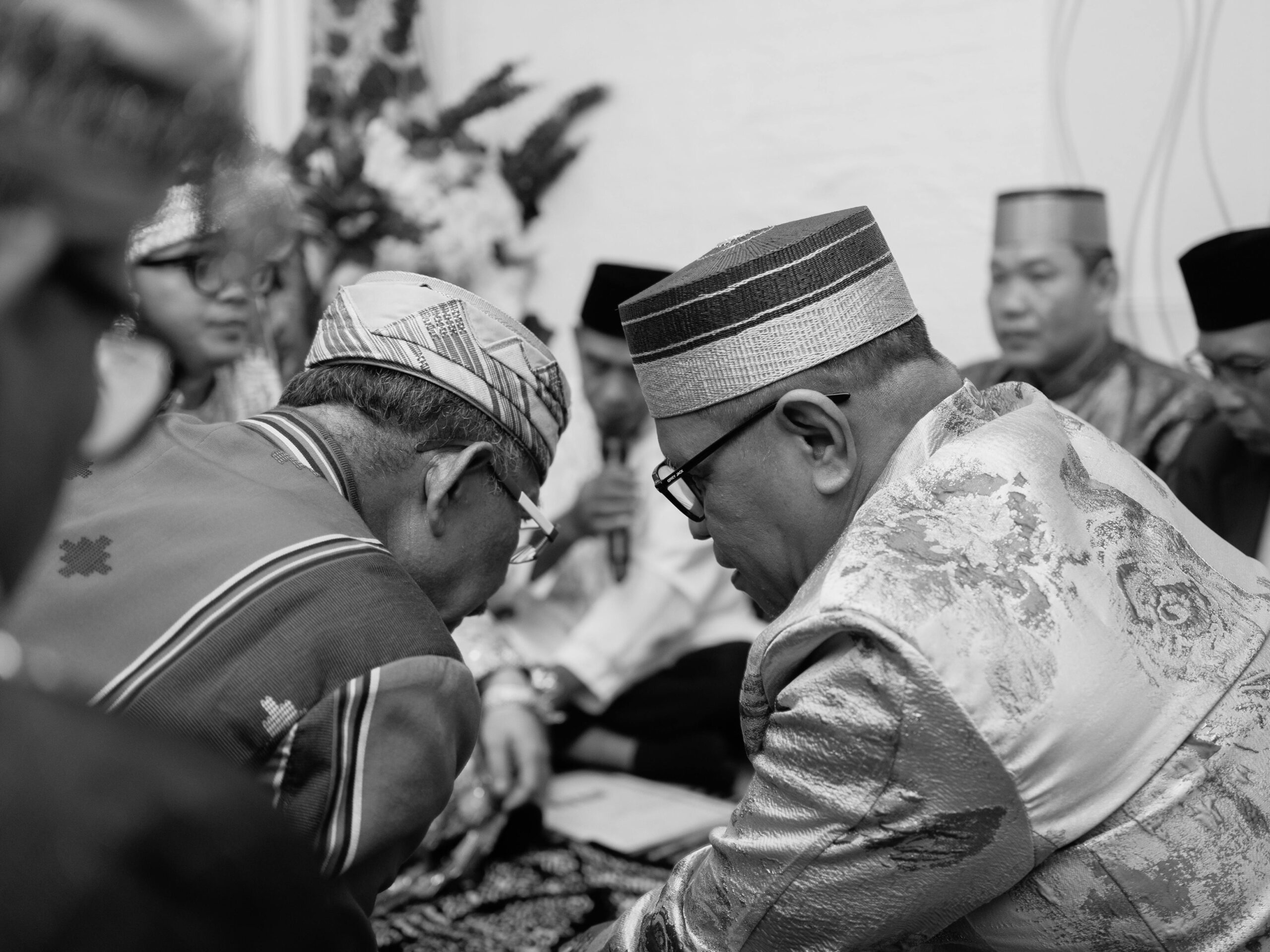
Cultural tourism stands as one of the most dynamic and rapidly evolving sectors in the global travel industry, offering unprecedented opportunities for economic development and cross-cultural understanding.

In an era where travelers increasingly seek authentic experiences and meaningful connections with local communities, cultural tourism has emerged as a powerful catalyst for sustainable growth. This transformative approach to travel goes beyond traditional sightseeing, inviting visitors to immerse themselves in the living heritage, traditions, and contemporary creative expressions of destinations worldwide.
The cultural tourism landscape has undergone remarkable transformation in recent years, driven by changing consumer preferences, technological innovation, and a growing awareness of sustainable development principles. Today’s cultural tourists are more informed, more discerning, and more interested in participatory experiences that allow them to engage directly with local cultures, crafts, cuisines, and communities.
🌍 The Economic Foundation of Cultural Tourism
Cultural tourism represents a significant economic force, contributing billions of dollars annually to global GDP and supporting millions of jobs across diverse sectors. Unlike conventional mass tourism, cultural tourism tends to generate higher per-capita spending, longer average stays, and more equitable distribution of economic benefits throughout host communities.
The multiplier effect of cultural tourism extends far beyond direct visitor expenditure. When tourists attend local festivals, visit heritage sites, purchase traditional crafts, or dine at authentic restaurants, they create ripple effects throughout the local economy. Artisans, guides, performers, hospitality workers, and countless other service providers benefit from this ecosystem of cultural exchange.
Small and medium enterprises particularly benefit from cultural tourism development. Family-run guesthouses, independent tour operators, local craft cooperatives, and community-based cultural centers often find viable business models through cultural tourism, creating employment opportunities that help stem rural-urban migration and preserve traditional ways of life.
Building Authentic Experiences That Resonate 🎭
Authenticity has become the cornerstone of successful cultural tourism development. Modern travelers possess sophisticated detection mechanisms for staged or commodified experiences, gravitating instead toward genuine interactions that reflect the true character of a destination and its people.
Creating authentic cultural tourism experiences requires careful collaboration between tourism developers, local communities, and cultural custodians. The most successful initiatives emerge from community-driven processes where residents maintain agency over how their culture is shared, interpreted, and experienced by visitors.
Storytelling plays a crucial role in building these authentic connections. Every destination possesses unique narratives woven through its history, landscape, and people. Effective cultural tourism programs identify these stories and create frameworks that allow visitors to discover them organically, rather than through contrived presentations that diminish their power and meaning.
Community Participation as a Growth Strategy
Sustainable cultural tourism cannot exist without meaningful community participation at every stage of development and implementation. Communities must be active partners rather than passive recipients of tourism development, with decision-making power over cultural assets and tourism activities.
This participatory approach yields multiple benefits. It ensures cultural integrity, builds local capacity, creates ownership and pride among residents, and produces more authentic experiences for visitors. When communities feel invested in tourism outcomes, they become enthusiastic ambassadors for their culture and natural guardians against overtourism and cultural erosion.
Training programs that build local capacity for tourism management, hospitality, interpretation, and entrepreneurship form essential components of this foundation. These initiatives should respect and incorporate traditional knowledge systems while introducing contemporary business skills and service standards.
🏛️ Heritage Conservation Through Tourism Innovation
One of cultural tourism’s most compelling value propositions lies in its potential to fund heritage conservation. Historic buildings, archaeological sites, traditional crafts, performing arts, and intangible cultural practices all require ongoing investment to survive and thrive in modern contexts.
Tourism revenues, when properly managed, can provide sustainable funding streams for conservation efforts that might otherwise rely entirely on limited public resources or philanthropic support. Entrance fees, guided tour revenues, licensing arrangements, and related commercial activities can generate substantial funds dedicated to preservation and restoration work.
However, this relationship between tourism and conservation must be carefully calibrated. Excessive visitor numbers can damage fragile heritage assets, while commercialization pressures may incentivize alterations that compromise authenticity. Robust management frameworks that prioritize conservation over short-term revenue maximization are essential for long-term success.
Technology as an Enabler of Cultural Discovery
Digital innovation has revolutionized how cultural tourism experiences are developed, marketed, and consumed. Virtual and augmented reality technologies allow visitors to experience reconstructed historical environments, witness traditional practices, and access layers of information that enrich their understanding without physical intervention in heritage sites.
Mobile applications have become powerful tools for cultural interpretation, offering multilingual audio guides, interactive maps, gamified exploration experiences, and social sharing capabilities that extend the tourism experience beyond the visit itself. These technologies democratize access to cultural knowledge while creating opportunities for more personalized, self-directed exploration.
Digital platforms also facilitate direct connections between cultural tourism providers and travelers, reducing intermediary costs and enabling smaller operators to reach global markets. Social media has transformed destination marketing, with authentic user-generated content often proving more influential than traditional promotional materials.
Creating Sustainable Revenue Models 💡
Financial sustainability represents a critical challenge for cultural tourism development, particularly in resource-constrained environments. Successful initiatives develop diversified revenue models that reduce dependency on any single income source while ensuring affordability and accessibility for diverse visitor segments.
Tiered pricing structures can balance revenue generation with social equity objectives, offering differential rates for international tourists, domestic visitors, students, and local residents. Package offerings that combine multiple attractions or experiences create value for visitors while maximizing revenue capture and encouraging extended stays.
Membership and subscription models have emerged as innovative approaches for cultural institutions, creating recurring revenue streams while building loyal constituencies of repeat visitors. These programs often include exclusive access, special events, and other benefits that deepen engagement with cultural offerings.
Strategic Partnerships and Collaboration Networks
No single organization can unlock cultural tourism’s full potential in isolation. Strategic partnerships between public agencies, private enterprises, non-profit organizations, educational institutions, and community groups create synergies that amplify impact and distribute risks and responsibilities.
Destination management organizations play vital coordinating roles, convening stakeholders, developing shared visions, establishing quality standards, conducting collective marketing, and managing visitor flows. These collaborative frameworks prove particularly effective in regions with multiple cultural attractions and diverse tourism providers.
International partnerships facilitate knowledge exchange, capacity building, and market access. Sister city relationships, UNESCO designations, cultural exchange programs, and tourism development projects funded by bilateral or multilateral agencies all contribute to strengthening cultural tourism foundations.
🎨 Innovation in Cultural Tourism Product Development
Continuous innovation keeps cultural tourism offerings fresh, relevant, and competitive in dynamic global markets. Product development should balance respect for tradition with creative interpretation that resonates with contemporary audiences and their evolving preferences.
Experiential learning opportunities represent a significant growth area, with travelers increasingly interested in workshops, classes, and hands-on activities that allow them to acquire new skills or knowledge. Cooking classes, craft workshops, language lessons, traditional music or dance instruction, and agricultural experiences all exemplify this trend toward participatory cultural tourism.
Seasonal programming creates reasons for repeat visitation while distributing tourism benefits more evenly throughout the year. Cultural festivals, temporary exhibitions, performing arts seasons, and special events generate excitement and attract specific interest groups while maintaining year-round engagement with cultural assets.
Niche Markets and Specialized Tourism Segments
Successful cultural tourism strategies often target specific niche markets with tailored offerings that meet specialized interests. Creative tourism, heritage tourism, indigenous tourism, culinary tourism, literary tourism, film tourism, and spiritual tourism each represent distinct segments with particular characteristics and preferences.
Understanding these market segments enables more effective product development and marketing. Culinary tourists, for example, seek authentic food experiences, cooking instruction, and insights into food cultures and traditions. Heritage enthusiasts desire in-depth historical information, architectural details, and connections to genealogical roots.
Accessibility considerations must inform product development to ensure cultural tourism experiences welcome visitors with diverse abilities and needs. Universal design principles, assistive technologies, sensory-friendly programming, and inclusive interpretation create opportunities for broader participation while demonstrating social responsibility.
Marketing Cultural Tourism in Digital Age 📱
Effective marketing strategies amplify cultural tourism’s reach and impact, connecting compelling destination stories with audiences most likely to respond positively. Digital marketing channels offer unprecedented targeting capabilities, enabling efficient resource allocation and measurable return on investment.
Content marketing has become central to cultural tourism promotion, with rich storytelling through blogs, videos, podcasts, and social media posts building emotional connections before travelers make destination decisions. User-generated content from satisfied visitors provides authentic testimonials that influence prospective tourists more effectively than promotional materials.
Search engine optimization ensures cultural tourism websites and content appear prominently when potential visitors research destinations or cultural experiences. Strategic use of keywords, local SEO tactics, mobile optimization, and quality content creation all contribute to improved online visibility and discoverability.
Measuring Impact and Demonstrating Value
Robust monitoring and evaluation systems provide essential feedback for continuous improvement while demonstrating cultural tourism’s value to stakeholders and funders. Metrics should encompass economic, social, cultural, and environmental dimensions, moving beyond simple visitor numbers to assess more meaningful impacts.
Economic indicators include direct spending, employment generation, tax revenues, and contributions to GDP. Social metrics might measure community satisfaction, local participation rates, skill development, and quality of life improvements. Cultural indicators assess heritage conservation outcomes, cultural vitality, intergenerational transmission of traditions, and artistic innovation.
Visitor satisfaction surveys, online reviews, repeat visitation rates, and social media sentiment analysis provide insights into experience quality and areas requiring improvement. This data-driven approach enables evidence-based decision-making and targeted interventions that enhance overall tourism performance.
🌱 Navigating Challenges and Mitigating Risks
Cultural tourism development inevitably encounters challenges that require proactive management. Overtourism threatens many popular cultural destinations, with excessive visitor numbers degrading experiences, straining infrastructure, and disrupting local life. Carrying capacity assessments, visitor management strategies, and dispersal initiatives help address these pressures.
Cultural commodification represents another concern, where traditions become simplified or modified to suit tourist preferences, potentially losing authenticity and meaning. Maintaining balance between accessibility for visitors and cultural integrity requires ongoing dialogue, community oversight, and ethical guidelines for cultural representation.
Climate change poses existential threats to cultural heritage, from rising sea levels endangering coastal archaeological sites to changing weather patterns affecting traditional agricultural practices and seasonal festivals. Adaptation strategies and resilience planning must become integral to cultural tourism development.

The Path Forward: Innovation Meets Tradition ✨
The future of cultural tourism lies in harmonious integration of innovation and tradition, where new technologies, business models, and approaches enhance rather than replace authentic cultural expressions. This balance requires wisdom, sensitivity, and ongoing commitment to principles of sustainability, equity, and cultural respect.
Emerging trends suggest continued growth in regenerative tourism approaches that actively contribute to cultural and environmental restoration rather than merely minimizing harm. Travelers increasingly seek opportunities to give back to communities they visit, participating in conservation projects, supporting social enterprises, or learning traditional skills from local masters.
Youth engagement represents both a challenge and opportunity for cultural tourism. While younger generations sometimes show less interest in traditional heritage, innovative interpretation methods, digital technologies, and connections to contemporary issues can bridge this gap, ensuring cultural continuity while allowing traditions to evolve organically.
Building strong foundations for cultural tourism innovation and growth requires long-term vision, inclusive planning processes, adequate investment, and unwavering commitment to authenticity and sustainability. When these elements align, cultural tourism unleashes transformative power that enriches visitors, strengthens communities, preserves heritage, and creates pathways toward more equitable and sustainable development.
The journey toward unlocking cultural tourism’s full potential continues, with each destination charting unique paths shaped by specific cultural assets, community aspirations, and market opportunities. Success stories emerge where stakeholders work collaboratively, respect cultural integrity, embrace innovation thoughtfully, and maintain focus on creating meaningful value for both visitors and host communities. This holistic approach transforms cultural tourism from simple consumption of heritage into profound exchanges that celebrate human diversity, creativity, and shared humanity.