Museums are no longer confined to physical spaces. Thanks to digital innovation, anyone with an internet connection can now explore world-class cultural heritage from home.

🌍 The Digital Revolution in Cultural Preservation
The transformation of museums from purely physical institutions to hybrid digital-physical spaces represents one of the most significant shifts in how we preserve and share human history. Virtual heritage through museums has emerged as a powerful tool for education, preservation, and accessibility, breaking down geographical and economic barriers that once limited who could experience the world’s greatest treasures.
This digital revolution began gradually but has accelerated dramatically in recent years. Major institutions worldwide have invested heavily in digitizing their collections, creating immersive virtual tours, and developing interactive experiences that sometimes surpass what’s possible in traditional museum settings. The COVID-19 pandemic further catalyzed this transformation, forcing museums to adapt rapidly and discover new ways to engage audiences remotely.
Virtual heritage isn’t simply about viewing images online. It encompasses 3D modeling, virtual reality experiences, augmented reality applications, interactive timelines, and sophisticated databases that allow users to explore artifacts, artworks, and historical sites in unprecedented detail. These technologies preserve not just objects, but context, stories, and the intangible aspects of cultural heritage.
🏛️ Leading Institutions Pioneering Virtual Access
The Smithsonian Institution stands as a pioneer in virtual heritage, having digitized millions of objects across its 19 museums and research centers. Their open access initiative allows visitors to download high-resolution images, explore 3D models, and even use materials for educational or creative projects. The British Museum offers similar access, with nearly two million objects documented in its online collection database.
The Louvre’s virtual tours transport visitors through the museum’s iconic galleries, allowing close-up examination of masterpieces like the Mona Lisa without crowds. The Vatican Museums have created stunning digital experiences of the Sistine Chapel, where users can zoom into Michelangelo’s frescoes with clarity impossible even for in-person visitors standing dozens of feet below.
Google Arts & Culture has partnered with over 2,000 cultural institutions across 80 countries, creating a massive digital archive accessible to anyone. Their platform combines high-resolution imagery, virtual tours, curated exhibitions, and educational content, making it perhaps the most comprehensive virtual heritage platform available today.
Regional Museums Joining the Digital Wave
It’s not just major international institutions embracing virtual heritage. Regional and specialized museums worldwide are discovering that digital presence expands their reach and relevance. Small historical societies can now share local stories with global audiences, while niche collections find enthusiasts they could never reach through traditional means.
Museums focusing on indigenous cultures, marginalized communities, or specialized subjects benefit especially from virtual platforms. These digital spaces allow communities to control their narratives, share perspectives often overlooked in traditional museum settings, and connect with diaspora populations maintaining ties to their heritage.
💻 Technologies Reshaping Museum Experiences
Virtual reality has transformed how we experience historical spaces. VR headsets can transport users to ancient Rome, allowing them to walk through the Forum as it appeared two thousand years ago. Archaeological sites destroyed by conflict or natural disasters live on in virtual form, preserving them for future generations and enabling researchers to study them remotely.
Augmented reality applications overlay digital information onto physical spaces, enhancing both in-person and remote museum experiences. Visitors can point smartphones at exhibits to see artifacts restored to their original condition, watch historical events unfold in the spaces where they occurred, or access detailed information without reading traditional labels.
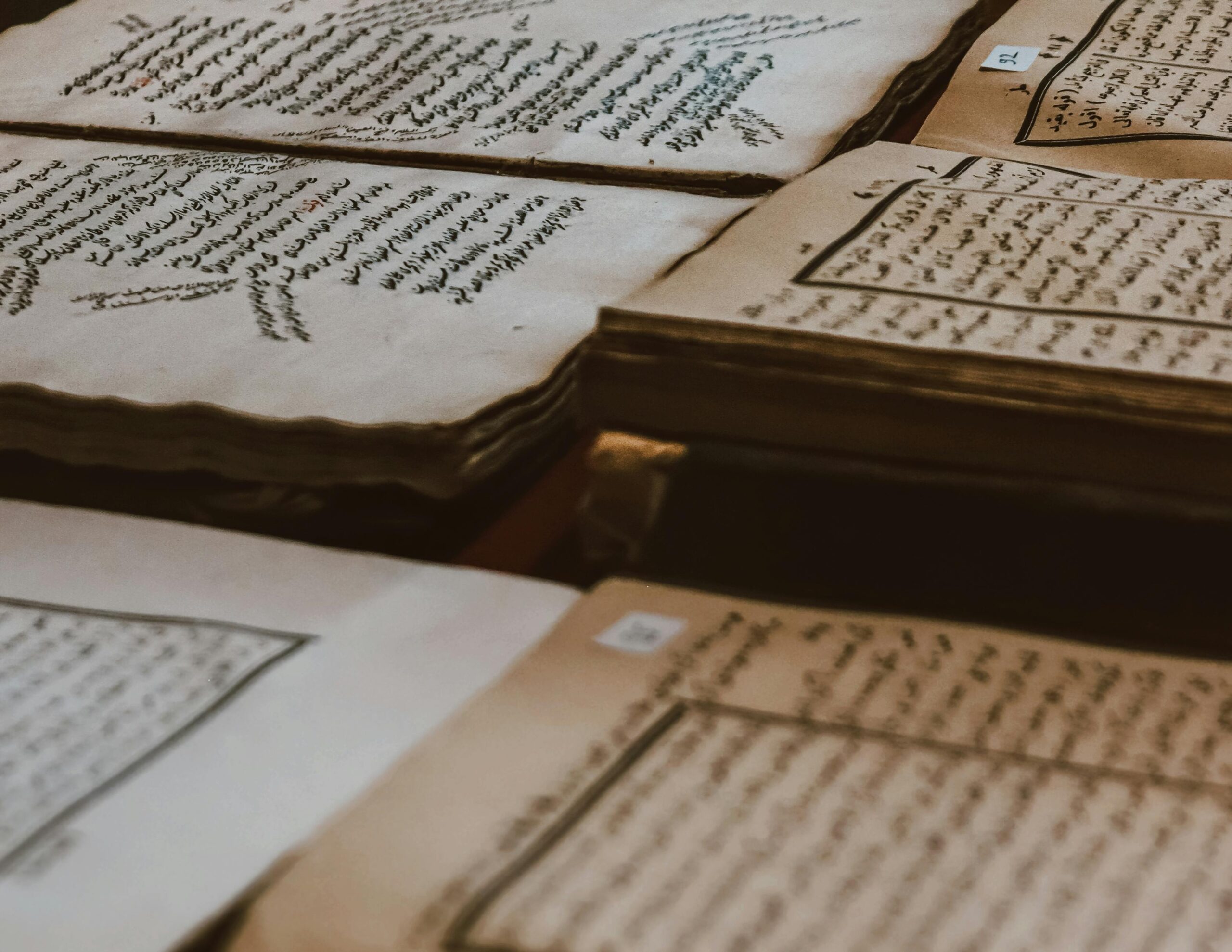
3D scanning and photogrammetry create incredibly detailed digital replicas of artifacts. These models preserve objects in their current state while allowing virtual restoration, cross-sectional analysis, and interactive manipulation impossible with physical objects. Researchers worldwide can study the same artifact simultaneously without risk of damage or travel expenses.
Artificial Intelligence Enhancing Discovery
AI-powered tools are revolutionizing how visitors navigate virtual collections. Machine learning algorithms can suggest items based on interests, identify connections between disparate objects, and even answer questions about exhibits in natural language. These systems make vast digital collections manageable and personalized, helping users discover relevant content in databases containing millions of items.
Image recognition technology allows visitors to photograph objects or artworks and instantly receive information about them. This bridges physical and digital experiences, turning every museum visit into an opportunity for deeper engagement and learning.
📱 Mobile Applications Bringing Heritage to Your Pocket
Smartphone applications have democratized access to virtual heritage more than any other technology. Museums have developed sophisticated apps that serve as pocket curators, offering guided tours, detailed object information, behind-the-scenes content, and even games that make learning about history engaging for younger audiences.
The Google Arts & Culture app exemplifies this trend, offering access to millions of artworks, virtual museum tours, and innovative features like Art Transfer that applies famous artistic styles to your photos, or Art Selfie that matches your face to historical portraits. These playful features introduce users to cultural heritage through entertaining, shareable experiences.
Museum-specific applications often provide enhanced experiences for in-person visitors while also offering standalone value for remote users. The Metropolitan Museum of Art’s app includes audio guides, high-resolution images, exhibition information, and the ability to create personal collections of favorite works.
🎓 Educational Opportunities Through Virtual Heritage
Virtual museum access has transformed education at all levels. Teachers can bring world-class artifacts into classrooms, allowing students to examine primary sources that would otherwise remain inaccessible. Virtual field trips connect students with curators, conservators, and experts worldwide, providing perspectives that enrich traditional curricula.
University programs in archaeology, art history, anthropology, and related fields increasingly incorporate virtual collections into their teaching. Students can compare artifacts across multiple institutions without travel, analyze objects in detail, and access resources that support research impossible in previous generations.
Lifelong learners benefit enormously from virtual heritage platforms. Online exhibitions, lectures, courses, and interactive experiences support continued cultural engagement regardless of age, location, or mobility. This democratization of knowledge represents a fundamental shift in who can participate in cultural discourse and heritage appreciation.
Interactive Learning Experiences
Many virtual heritage platforms incorporate gamification elements that make learning engaging without sacrificing educational value. Puzzles, quizzes, scavenger hunts, and challenges encourage exploration while teaching historical facts, artistic techniques, or archaeological methods. These approaches particularly resonate with younger audiences who might find traditional museum experiences less compelling.
Collaborative features allow students worldwide to work together on projects, share discoveries, and learn from diverse perspectives. Virtual exhibitions created by student groups can showcase research to global audiences, providing motivation and real-world application for academic work.
🔍 Preservation Through Digitization
Digital preservation serves as insurance against physical loss. When conflict, natural disasters, or deterioration threaten physical heritage, digital copies ensure survival of at least the visual and informational aspects. The tragic destruction of museums in Syria, Iraq, and other conflict zones highlights how fragile physical heritage can be and how valuable digital records become.
Even without catastrophic loss, objects deteriorate over time. Digitization captures their current state, creating permanent records that document condition, allow monitoring of changes, and support conservation decisions. High-resolution imaging sometimes reveals details invisible to the naked eye, supporting authentication, analysis, and art historical research.
Intangible heritage—traditions, languages, music, oral histories—can also be preserved through digital media. Video recordings, interactive documentaries, and virtual experiences capture cultural practices that might otherwise disappear as communities change and elder generations pass away.
🌐 Accessibility and Inclusion in Virtual Spaces
Virtual heritage platforms can be designed with accessibility features difficult or impossible to implement in physical museums. Screen readers for visually impaired users, audio descriptions, sign language interpretation, and adjustable interfaces accommodate diverse needs. Objects can be examined from any angle, zoomed infinitely, and accompanied by multiple levels of explanatory text.
Economic barriers diminish significantly in virtual spaces. While physical museum visits require admission fees, transportation, and sometimes accommodation costs, virtual access typically requires only internet connectivity. This opens cultural heritage to populations for whom traditional museum visits represent prohibitive expenses.
People with mobility challenges, chronic illnesses, or caregiving responsibilities that limit travel can participate fully in virtual museum experiences. Parents with young children, elderly individuals, and those living in remote areas gain access previously denied by circumstance rather than intent.
Language and Cultural Translation
Digital platforms facilitate multilingual access more easily than physical museums. Automated translation tools, while imperfect, provide basic understanding across language barriers. Museums increasingly offer content in multiple languages, expanding their audiences and acknowledging the diverse communities connected to their collections.
Cultural translation—explaining context and significance across different cultural frameworks—becomes possible through varied interpretive approaches. Virtual platforms can present multiple perspectives on the same object, acknowledging different cultural relationships to heritage and avoiding single, authoritative narratives.
🤝 Community Engagement and Co-Creation
Virtual heritage platforms increasingly involve communities in creating content rather than merely consuming it. Crowdsourcing projects invite public participation in transcribing documents, identifying people in photographs, or sharing knowledge about objects. This collaborative approach democratizes museum authority and acknowledges that expertise exists outside institutional walls.
Indigenous communities and source communities increasingly participate in interpreting their own heritage within museum collections. Digital platforms facilitate these collaborations, allowing communities to add narratives, correct misidentifications, and assert ownership over their cultural stories even when physical objects remain in distant institutions.
User-generated content, reviews, and social sharing transform visitors from passive consumers to active participants in heritage discourse. Virtual exhibitions curated by community members or themed by public vote reflect interests and perspectives that professional curators might overlook.
⚡ Challenges and Limitations of Virtual Heritage
Despite tremendous benefits, virtual heritage cannot fully replace physical museum experiences. The presence of authentic objects, the scale of monumental works, the social experience of visiting with others—these aspects remain incompletely captured by digital means. Virtual experiences work best as complements rather than substitutes for in-person engagement.
Digital divides persist. While internet access expands globally, significant populations remain unconnected or lack devices capable of accessing sophisticated virtual platforms. Creating truly universal access requires addressing infrastructure limitations, device costs, and digital literacy gaps.
The sheer volume of digital content creates navigation challenges. Users can feel overwhelmed by options or struggle to find specific information within massive databases. Effective search tools, intuitive interfaces, and thoughtful curation become essential for making virtual heritage genuinely accessible rather than merely available.
Technical and Financial Barriers
Creating high-quality virtual heritage experiences requires significant investment in equipment, expertise, and ongoing maintenance. Smaller institutions struggle to compete with major museums’ digital offerings, potentially reinforcing existing hierarchies rather than leveling the playing field as hoped.
Technical obsolescence poses ongoing challenges. Digital formats become unreadable, platforms become outdated, and links break over time. Ensuring long-term access to virtual heritage requires commitment to migration, updating, and maintaining digital infrastructure indefinitely—a daunting prospect for institutions already stretched thin.
🚀 The Future of Virtual Heritage and Museums
Emerging technologies promise even more immersive and accessible virtual heritage experiences. Haptic feedback devices could let users “feel” textures of artifacts. Advanced VR could recreate the experience of walking through historical spaces with unprecedented realism. Holographic displays might bring three-dimensional artifacts into homes and classrooms.
Blockchain technology could verify authenticity of digital artifacts and create new models for sharing digital cultural content while protecting rights. NFTs (non-fungible tokens), despite current controversies, might enable new relationships between institutions, creators, and audiences in managing digital heritage.
The metaverse—persistent, shared virtual spaces—could host permanent virtual museums existing entirely in digital realms. These spaces might mix historical recreation with impossible architecture, combine collections from multiple institutions, or create entirely new approaches to exhibiting and interpreting heritage.
🎯 Making the Most of Virtual Heritage Experiences
To maximize benefits of virtual heritage platforms, approach them with curiosity and intention. Rather than passively scrolling, engage actively—read detailed descriptions, explore related objects, follow suggested connections. Many platforms offer curated tours or themed collections that provide structure for exploration.
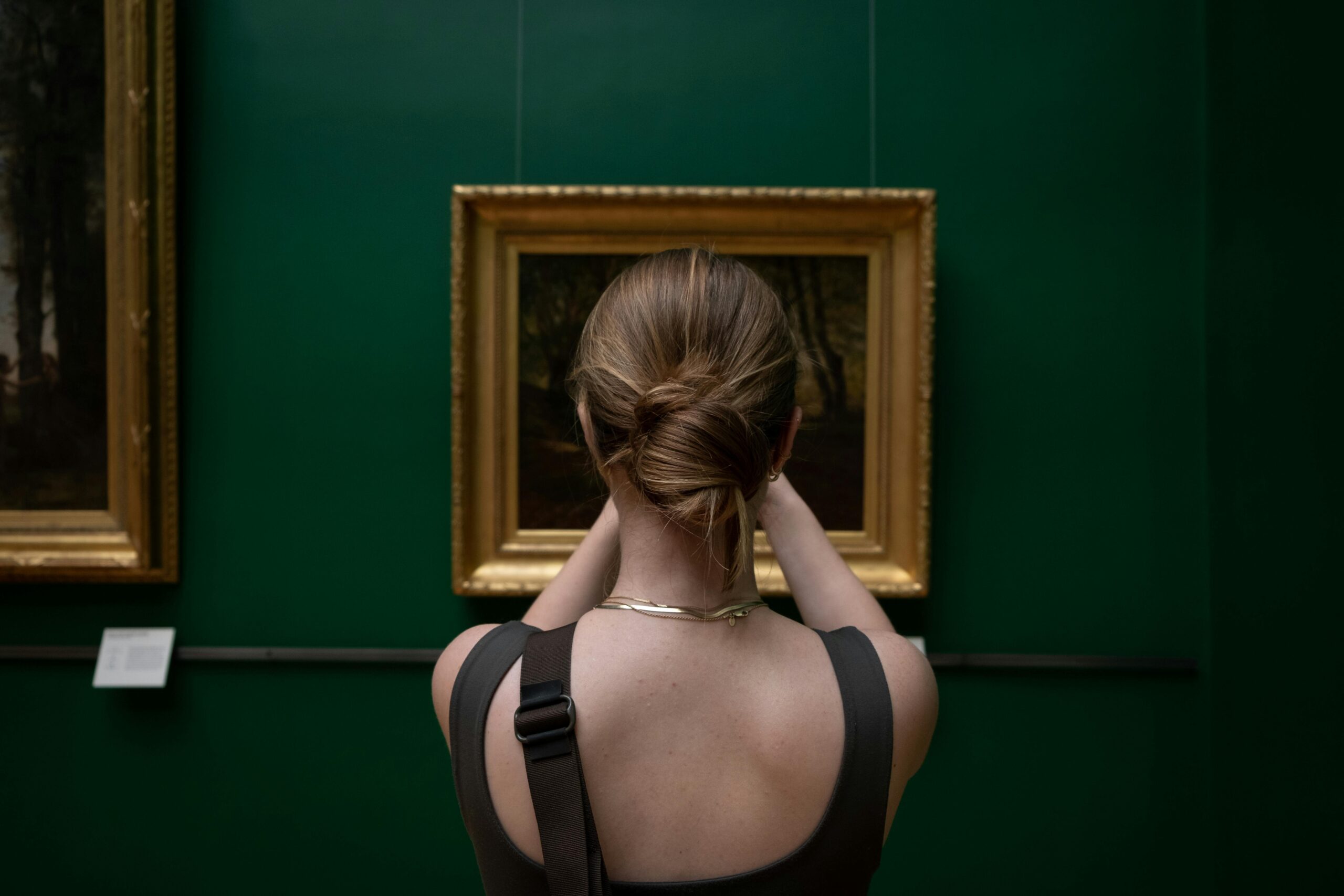
Combine virtual and physical experiences when possible. Use virtual platforms to preview museums before visiting, explore objects in detail that you can only glimpse behind glass, or revisit favorites from past visits. This integrated approach enriches both virtual and physical engagement.
Share discoveries with others. Virtual heritage becomes more meaningful when discussed, debated, and enjoyed socially. Social media sharing, virtual tours with distant friends, or family exploration of heritage connections deepen experience and spread awareness of available resources.
Virtual museums represent more than technological achievement—they embody a democratization of cultural heritage that would have seemed impossible just decades ago. By breaking down barriers of distance, cost, and access, these platforms invite everyone to step into the past and engage with the accumulated treasures of human creativity and history. As technology advances and more institutions embrace digital possibilities, virtual heritage will continue evolving, creating new opportunities to preserve, share, and celebrate our collective cultural legacy for generations to come.