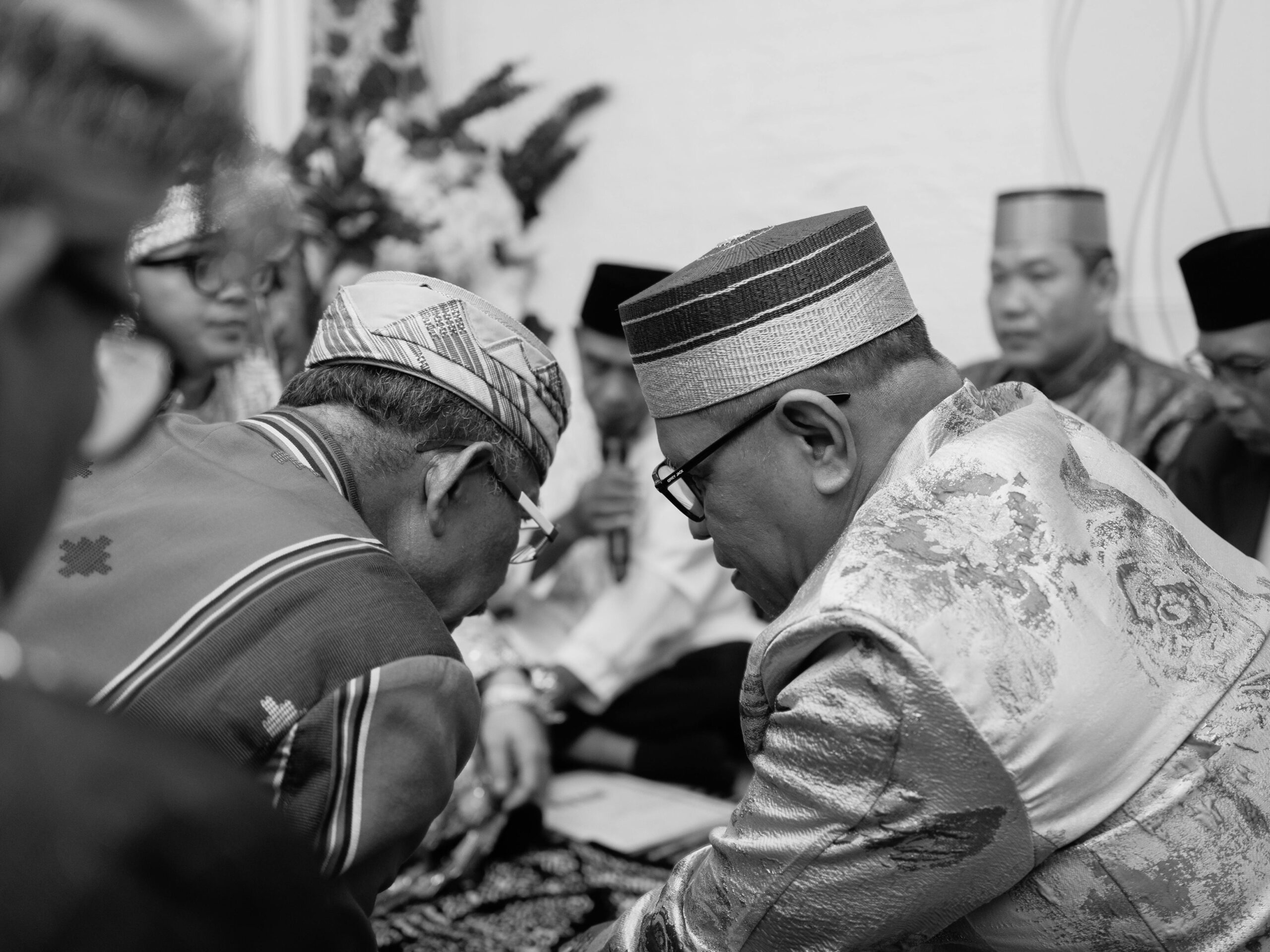
Cultural memory systems shape how societies preserve, interpret, and transmit their collective experiences across generations, bridging yesterday’s wisdom with tomorrow’s innovations.

🏛️ The Evolution of Memory: From Cave Walls to Cloud Storage
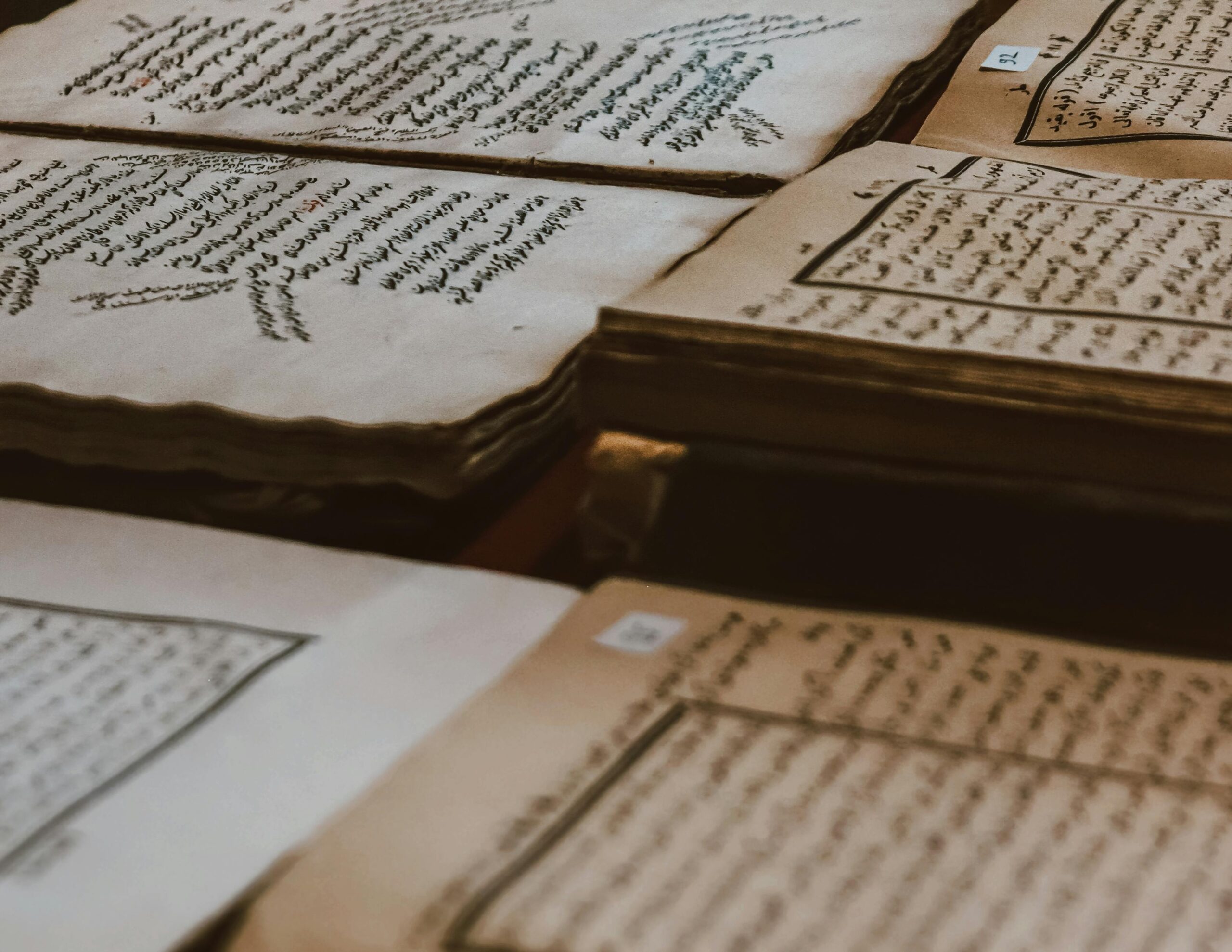
Throughout human history, the preservation of cultural knowledge has taken countless forms. Ancient civilizations etched their stories into stone tablets, medieval scribes painstakingly copied manuscripts by hand, and libraries became the guardians of accumulated wisdom. Today, we stand at an unprecedented crossroads where digital technologies are fundamentally transforming how we capture, store, and share our cultural heritage.
The transition from physical to digital cultural memory systems represents more than a mere technological upgrade. It reflects a profound shift in how humanity conceptualizes permanence, accessibility, and the very nature of collective memory. What once required pilgrimages to distant archives can now be accessed instantly from anywhere on the planet. Yet this convenience brings new challenges and responsibilities that we’re only beginning to understand.
Understanding Cultural Memory Systems in the Digital Age
Cultural memory systems encompass the methods, institutions, and technologies societies use to preserve and transmit their heritage. These systems include museums, archives, libraries, oral traditions, monuments, and increasingly, digital platforms that house everything from historical documents to social media posts documenting contemporary events.
The concept extends beyond simple storage. Effective cultural memory systems provide context, enable interpretation, and facilitate engagement with the past. They serve as bridges between generations, helping communities maintain continuity while adapting to change. In essence, they answer fundamental questions about identity: Who are we? Where did we come from? What values define us?
The Pillars of Modern Cultural Preservation
Contemporary cultural memory systems rest on several foundational elements that ensure their effectiveness and longevity. Understanding these pillars helps us appreciate both the opportunities and challenges inherent in digital preservation.
- Accessibility: Information must be discoverable and usable by diverse audiences, including future generations who may approach it with different technological capabilities and cultural contexts
- Authenticity: Preserved materials must maintain their integrity, with clear documentation of provenance and any modifications or interpretations
- Sustainability: Preservation strategies must account for long-term viability, including technological obsolescence and institutional continuity
- Inclusivity: Memory systems should represent diverse voices and perspectives, not just dominant narratives
- Interoperability: Digital systems must work together, allowing data to flow between platforms and institutions
🔓 Breaking Down Barriers to Historical Access
One of the most transformative aspects of digital cultural memory systems is their potential to democratize access to historical resources. For centuries, engaging with primary source materials required physical presence in specific locations, often with significant barriers related to cost, credentials, and geography. Digital platforms are dismantling these walls, though not without creating new ones.
Major institutions worldwide have embarked on ambitious digitization projects. The Europeana initiative, for example, provides access to millions of items from European museums, libraries, and archives. The Digital Public Library of America serves a similar function, aggregating collections from across the United States. Google Arts & Culture has brought high-resolution images of artworks and virtual museum tours to audiences who might never visit these institutions in person.
The Democratization Paradox
While digital access removes physical barriers, it simultaneously creates digital divides. Communities without reliable internet infrastructure, individuals lacking digital literacy skills, and institutions without resources for digitization face exclusion from these new memory systems. The irony is profound: technologies designed to increase access can inadvertently create new forms of marginalization.
Furthermore, the question of whose memories get digitized and preserved reflects existing power structures. Well-funded Western institutions can afford extensive digitization programs, while smaller community archives and non-Western cultural organizations often lack similar resources. This imbalance risks perpetuating colonial patterns in which certain narratives dominate global cultural memory while others remain invisible.
📱 Technology Reshaping Cultural Preservation
Emerging technologies are opening unprecedented possibilities for how we capture, preserve, and interact with cultural heritage. Artificial intelligence, blockchain, virtual reality, and advanced imaging techniques are transforming every aspect of cultural memory systems.
AI and machine learning algorithms can automatically catalog and tag vast collections, making them searchable in ways previously impossible. Natural language processing enables researchers to analyze patterns across millions of documents, uncovering connections that would take human scholars lifetimes to discover. Computer vision can identify and track art objects, detect forgeries, and even reconstruct damaged artifacts virtually.
Immersive Experiences and Virtual Heritage
Virtual and augmented reality technologies are revolutionizing how people engage with cultural heritage. Rather than viewing artifacts behind glass, users can manipulate three-dimensional models, exploring objects from every angle. Virtual reconstructions allow people to walk through destroyed heritage sites or experience historical locations as they appeared centuries ago.
The Smithsonian Institution has pioneered 3D scanning and sharing of its collections, making detailed models freely available for education, research, and even 3D printing. Similar projects have digitally preserved sites threatened by conflict, climate change, or development, creating backup copies for potential physical reconstruction and ensuring their survival in digital form regardless of what happens to the physical originals.
🌍 Global Collaboration and Cultural Exchange
Digital cultural memory systems facilitate unprecedented international collaboration. Researchers on different continents can work together on the same documents simultaneously. Distributed archives can link related materials held in different institutions, reuniting collections separated by history, conflict, or commerce.
This connectivity enables new forms of cultural exchange and understanding. Indigenous communities can access sacred objects and ancestral records held in distant museums. Diaspora populations can maintain connections to their cultural heritage regardless of geographic separation. Students anywhere can engage directly with primary sources that illuminate global history.
Addressing Historical Injustices
Digital technologies also provide tools for addressing historical wrongs related to cultural property. Many museums hold artifacts acquired through colonial exploitation or wartime looting. While digital repatriation doesn’t replace physical return of stolen cultural property, it can provide source communities with access to their heritage while complex negotiations continue.
Some institutions have begun collaborative projects with source communities, creating joint interpretive frameworks that present multiple perspectives on contested objects. These initiatives acknowledge that cultural memory systems have historically privileged Western institutional narratives while marginalizing indigenous and colonized peoples’ own understandings of their heritage.
⚠️ The Fragility of Digital Memory
Despite their apparent permanence, digital cultural memory systems face unique preservation challenges. The “digital dark age” refers to the potential loss of information stored on obsolete media formats or in deprecated file types. Technology evolves rapidly, and today’s cutting-edge storage solutions become tomorrow’s unreadable relics.
Physical artifacts, properly cared for, can last millennia. Digital data requires active, ongoing maintenance. Files must be migrated to new formats, storage media must be refreshed, and systems must be updated. This demands sustained institutional commitment and funding—resources not always guaranteed in an era of competing priorities and economic uncertainty.
The Imperative of Digital Preservation Standards
Addressing digital fragility requires robust standards and best practices. Organizations like the Digital Preservation Coalition and the International Internet Preservation Consortium work to develop frameworks ensuring long-term viability of digital cultural heritage. Key principles include format diversity, redundant storage, regular integrity checking, and comprehensive metadata documentation.
Cloud storage offers both opportunities and risks. Distributed systems provide redundancy, but reliance on commercial providers raises questions about long-term access. What happens when companies merge, fail, or change their business models? Who ensures continuity when corporate priorities shift? These questions demand answers as cultural institutions increasingly depend on commercial infrastructure.
🎭 Living Memory: Community-Driven Preservation
The most vital cultural memory systems aren’t institutional repositories but living communities that actively maintain and transmit their heritage. Digital technologies can support these grassroots efforts, providing tools for communities to document and share their own stories on their own terms.
Community archives, oral history projects, and digital storytelling initiatives empower people to be active participants in cultural memory rather than passive subjects documented by external authorities. These efforts often capture aspects of experience overlooked by formal institutions: everyday life, marginalized voices, and perspectives challenging dominant narratives.
Social Media as Informal Cultural Memory
Platforms like Instagram, TikTok, and Twitter have become de facto archives of contemporary experience, documenting everything from major historical events to mundane daily routines. While not designed as preservation systems, they capture vast amounts of cultural data that future historians will find invaluable for understanding our era.
However, the ephemerality of social media content poses challenges. Posts disappear when accounts close, platforms change or fold, and algorithmic curation shapes what becomes visible or buried. Archiving social media requires new approaches that respect privacy and consent while preserving culturally significant material.
🔮 Emerging Frontiers in Cultural Memory
Looking ahead, several emerging trends will shape the future of cultural memory systems. Blockchain technology promises verifiable provenance tracking and decentralized storage resistant to single points of failure. Quantum computing may enable previously impossible analyses of cultural data. Advances in materials science might yield storage media with millennial lifespans.
Artificial intelligence will likely play an increasingly sophisticated role, not just cataloging but interpreting cultural materials. AI-powered translation could make archives accessible across language barriers. Machine learning might identify connections and patterns that illuminate historical understanding in revolutionary ways.
Ethical Considerations for Tomorrow’s Archives
As cultural memory systems grow more sophisticated, ethical questions become more complex. Who controls AI systems interpreting cultural heritage? How do we prevent algorithmic bias from distorting historical understanding? What rights do individuals have regarding data about them in cultural archives? How do we balance preservation against privacy and the right to be forgotten?
These questions lack simple answers. They require ongoing dialogue among technologists, cultural heritage professionals, ethicists, legal experts, and diverse communities. The frameworks we develop now will shape how future generations understand their past and, consequently, how they imagine their possible futures.
💡 Practical Steps Toward Better Cultural Memory
Creating effective cultural memory systems for the future requires action at multiple levels. Institutions must invest in digital preservation infrastructure and expertise. Governments need policies supporting long-term funding and universal access. Technology companies should develop solutions prioritizing preservation over profit. Individuals can contribute by documenting their own communities and supporting cultural heritage initiatives.
Education plays a crucial role. Digital literacy must include understanding how cultural memory systems work, their limitations, and how to evaluate sources critically. Students should learn not just to consume cultural content but to think critically about whose perspectives are represented and whose are absent.

🌟 The Promise of Connected Heritage
Despite challenges, the future of cultural memory systems holds extraordinary promise. Never before have we possessed such powerful tools for preserving, accessing, and understanding our collective heritage. The key lies in using these tools wisely, inclusively, and sustainably.
By unlocking the past through digitization and accessibility while embracing innovative technologies thoughtfully, we can build cultural memory systems that serve all of humanity. These systems can foster mutual understanding across differences, provide foundations for identity and continuity, and offer insights that help us navigate contemporary challenges by learning from historical experience.
The work of building these systems is ongoing, requiring sustained commitment from institutions, communities, and individuals. It demands technical expertise, cultural sensitivity, ethical reflection, and inclusive participation. Most importantly, it requires recognizing that cultural memory isn’t about preserving a static past but about maintaining living connections between generations—connections that inform who we are and who we might become.
As we stand at this technological and cultural threshold, we have both opportunity and responsibility. The choices we make now about preserving and sharing cultural memory will echo across centuries, shaping how future generations understand not just their ancestors but themselves. By thoughtfully embracing new possibilities while learning from past mistakes, we can create cultural memory systems worthy of the rich, complex, diverse heritage they aim to preserve.