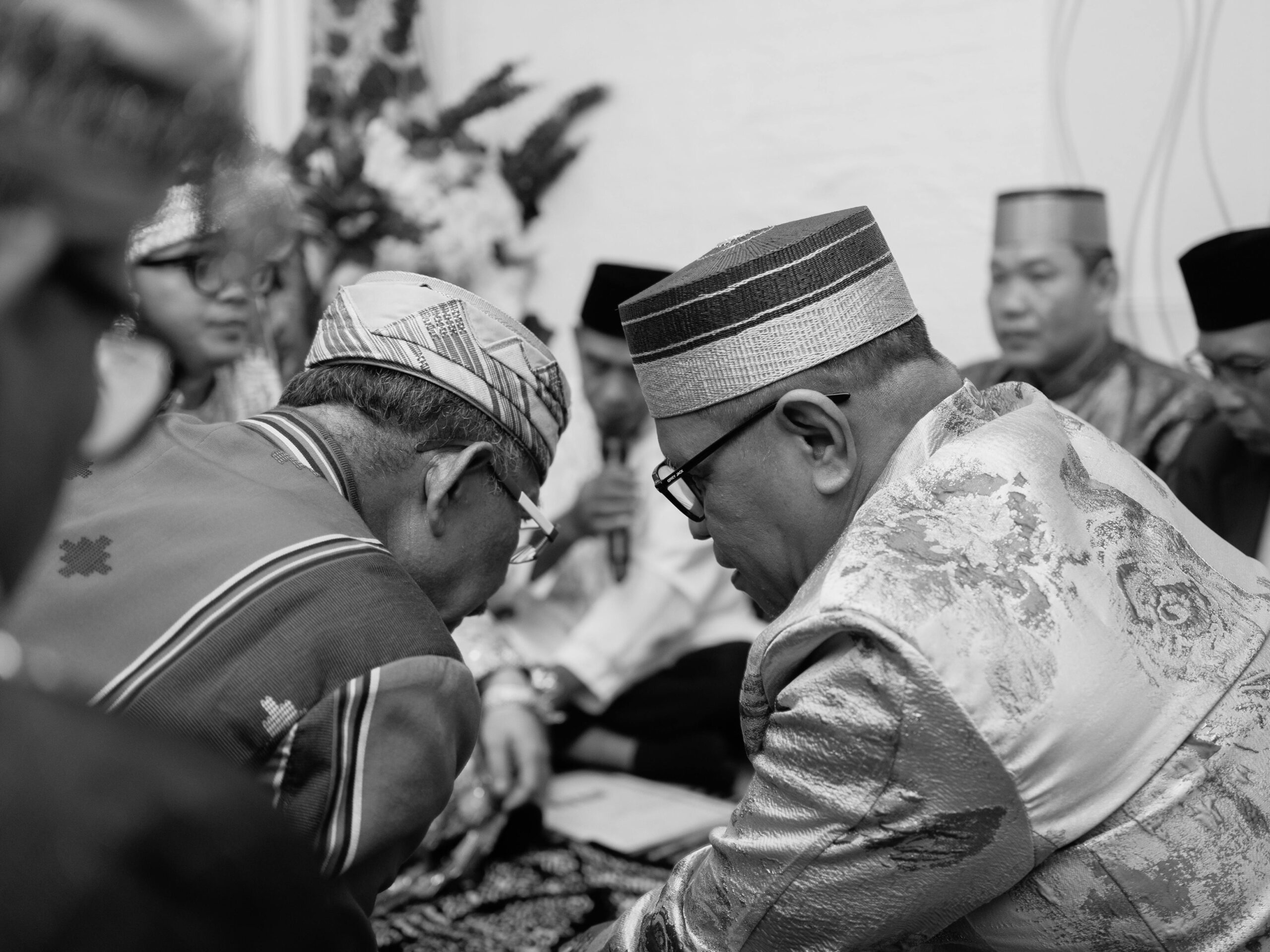
Intergenerational learning bridges age gaps by fostering mutual understanding, respect, and knowledge exchange between different age groups, creating resilient communities where everyone contributes and benefits.

🌟 The Foundation of Cross-Generational Connection
In an era marked by rapid technological advancement and social fragmentation, the wisdom of bringing generations together has never been more critical. Intergenerational learning represents more than just a educational methodology—it’s a powerful social catalyst that transforms how communities function, grow, and thrive together.
Traditional societies naturally incorporated multiple generations into daily activities, creating organic opportunities for knowledge transfer. Grandparents taught practical skills, parents provided stability, and children brought fresh perspectives. Modern life, however, has increasingly segregated age groups into separate spheres: schools for youth, workplaces for adults, and care facilities for seniors.
This separation has created significant gaps in understanding, empathy, and the natural flow of wisdom that once characterized human communities. Reconnecting these generational threads isn’t merely nostalgic—it’s essential for building stronger, more cohesive societies that leverage the full spectrum of human experience and capability.
Understanding the Dynamics of Knowledge Exchange Across Ages
Intergenerational learning operates on a fundamental principle: every generation possesses unique knowledge, skills, and perspectives that others can benefit from. Older adults bring decades of lived experience, historical context, traditional skills, and hard-won wisdom about navigating life’s challenges. Meanwhile, younger generations contribute technological fluency, fresh creativity, contemporary cultural insights, and innovative problem-solving approaches.
This bidirectional exchange challenges the conventional notion that learning flows only from old to young. When a teenager teaches a senior citizen to use video calling apps while learning traditional cooking methods in return, both parties grow. The relationship becomes transformative rather than transactional, building bonds that transcend the immediate educational content.
Breaking Down Stereotypes and Misconceptions
One of the most significant barriers to intergenerational learning stems from stereotypes each generation holds about others. Older adults may view younger people as disrespectful, technology-obsessed, or lacking work ethic. Conversely, youth might perceive seniors as technologically incompetent, rigid in thinking, or out of touch with modern realities.
Direct interaction through structured learning experiences dissolves these misconceptions remarkably quickly. When people engage in meaningful activities together—whether it’s a coding workshop, gardening project, or storytelling circle—they discover shared humanity beneath superficial differences. The 75-year-old retired engineer and the 15-year-old student find common ground in problem-solving approaches. The generation gap narrows as genuine relationships form.
💡 Practical Models for Implementing Intergenerational Programs
Creating successful intergenerational learning initiatives requires thoughtful design that respects each participant’s needs while maximizing engagement opportunities. Several proven models have emerged from communities worldwide that demonstrate effective approaches to bringing generations together.
Mentorship and Skill-Sharing Partnerships
Structured mentorship programs pair individuals from different generations based on complementary skills and interests. These partnerships might involve seniors teaching traditional crafts like woodworking, quilting, or instrument repair while learning digital photography or social media from younger partners. The key lies in establishing reciprocal relationships where both parties serve as both teacher and student.
Organizations can facilitate these connections through community centers, libraries, schools, or faith-based institutions. Regular meeting schedules, clear objectives, and celebration of mutual achievements help sustain engagement over time. Documenting the learning journey through photos, videos, or journals creates meaningful artifacts that participants treasure.
Community Project Collaborations
Working together on community improvement projects naturally integrates intergenerational learning. A neighborhood garden brings together seniors with agricultural knowledge, adults with organizational skills, and youth with energy and fresh ideas. Historical preservation projects allow elders to share memories while young people contribute research and digital documentation skills.
These initiatives deliver dual benefits: tangible community improvements and strengthened social bonds. Participants develop pride in shared accomplishments while learning to appreciate diverse perspectives and capabilities across age groups.
Technology Bridge Programs
Technology represents one of the most natural intergenerational learning domains. Young people, who’ve grown up immersed in digital environments, possess intuitive understanding of devices, apps, and online platforms. Older adults often struggle with rapidly evolving technology but have strong motivation to learn for staying connected with family, managing finances, or accessing services.
Technology training sessions where youth serve as patient teachers create powerful role reversals. Teenagers experience the satisfaction of being experts while developing empathy and communication skills. Seniors gain practical abilities and often discover unexpected confidence. The informal, judgment-free atmosphere of peer teaching frequently proves more effective than formal classes.
The Profound Benefits for Individual Participants
Intergenerational learning delivers measurable benefits for participants across all age groups. Research consistently demonstrates improvements in mental health, social connection, skill development, and overall life satisfaction among those involved in cross-generational programs.
Advantages for Older Adults 👴👵
Seniors participating in intergenerational learning report decreased feelings of loneliness and isolation—significant issues affecting this demographic. Regular interaction with younger people provides purpose, combats depression, and may even slow cognitive decline. Learning new skills, especially technology-related abilities, helps older adults maintain independence and stay connected with distant family members.
Many seniors discover renewed self-worth by recognizing that their knowledge and experiences hold value for younger generations. This validation combats the marginalization many older adults experience in youth-oriented cultures. Teaching traditional skills or sharing life stories affirms their ongoing relevance and contribution to society.
Benefits for Youth and Young Adults
Young people gain historical perspective and practical wisdom that school curricula rarely provide. Hearing firsthand accounts of historical events, economic challenges, or social movements brings textbook content to life. Seniors often share practical life skills—financial management, home repair, cooking from scratch—that parents sometimes lack time to teach.
Interacting with older adults also develops emotional intelligence and communication skills. Young people learn patience, active listening, and how to adapt explanations to different learning styles. These competencies prove invaluable in future educational and professional contexts. Additionally, relationships with non-parental adults provide alternative role models and safe spaces for discussing concerns.
Community-Wide Impact 🏘️
Beyond individual benefits, intergenerational learning strengthens entire communities. Social cohesion increases as age-segregated groups develop mutual understanding and respect. Communities with active cross-generational programs demonstrate higher civic engagement, increased volunteerism, and stronger informal support networks.
These initiatives also make efficient use of community resources. School facilities sit empty after hours while senior centers operate during the day—combining programs maximizes infrastructure utilization. Human resources similarly multiply when community members become both learners and teachers, creating sustainable models that don’t depend heavily on professional staff.
Overcoming Common Challenges and Barriers
Despite compelling benefits, intergenerational programs face obstacles that require thoughtful solutions. Recognizing and addressing these challenges increases the likelihood of creating sustainable, effective initiatives.
Logistical Considerations
Coordinating schedules across generations presents practical difficulties. School-age children have academic commitments, working adults face time constraints, and seniors may have health appointments or transportation limitations. Successful programs build flexibility into their structure, offering multiple participation times or hybrid in-person/virtual options.
Physical accessibility also requires attention. Meeting spaces must accommodate mobility devices, provide adequate seating, and consider sensory needs like lighting and acoustics. Transportation assistance may be necessary for seniors without reliable access to personal vehicles.
Addressing Communication Gaps
Generational differences in communication styles, vocabulary, and cultural references can initially create friction. Effective programs incorporate ice-breaker activities and communication skill-building exercises early in the process. Facilitators should model respectful interaction and intervene gently when misunderstandings arise.
Creating shared language around technology particularly requires patience. Terms that seem obvious to digital natives—”scroll,” “swipe,” “app”—may confuse those new to devices. Conversely, younger participants might need historical context or explanations of references from decades past. Building this mutual understanding becomes part of the learning journey itself.
🌍 Inspiring Examples from Around the Globe
Communities worldwide have pioneered innovative intergenerational learning programs that offer valuable models and inspiration. These initiatives demonstrate the universal appeal and adaptability of cross-generational connection.
Shared Sites Programs
Several countries have established intergenerational care centers where childcare facilities and senior centers share the same building and participate in regular joint activities. Children and elders eat meals together, collaborate on art projects, and form genuine friendships. These arrangements benefit both groups significantly—seniors experience renewed energy and purpose, while children develop empathy and comfort with aging.
Research on these programs shows impressive outcomes: improved mood and cognitive function among elderly participants, and enhanced social-emotional development in children. The model proves particularly effective because interactions occur naturally and frequently rather than as occasional special events.
Digital Storytelling Initiatives
Various organizations facilitate projects where youth interview elders about their life experiences, then collaborate to create digital stories combining recorded narratives, historical photos, and modern multimedia elements. These projects preserve valuable oral histories while teaching young people interviewing, editing, and technical skills.
The finished products often contribute to community archives or educational resources, giving lasting purpose to the work. Participants report that the deep listening required for storytelling creates profound connections and mutual respect that extends well beyond the project completion.
Designing Your Own Intergenerational Learning Initiative
Organizations and communities interested in launching intergenerational programs can follow proven strategies that increase success likelihood. Whether starting small with a pilot project or implementing a comprehensive program, certain principles apply universally.
Assessment and Planning Phase
Begin by assessing community needs, interests, and existing resources. Survey potential participants from different generations about what they’d like to learn and teach. Identify available meeting spaces, potential partner organizations, and individuals who might champion the initiative.
Define clear but flexible objectives. What outcomes do you hope to achieve? These might include reducing social isolation, preserving traditional skills, improving digital literacy, or strengthening neighborhood connections. Establish how you’ll measure success—through participation numbers, participant surveys, observed behavior changes, or community impact metrics.
Building Partnerships and Support
Sustainable programs rarely succeed through single-organization efforts. Build coalitions involving schools, senior centers, libraries, faith communities, local businesses, and municipal agencies. Each partner contributes different resources, expertise, and access to potential participants.
Secure leadership commitment from partner organizations and recruit enthusiastic staff or volunteers as coordinators. Identify funding sources, which might include grants, municipal budgets, corporate sponsorships, or participant contributions. Many successful programs operate on modest budgets by leveraging existing spaces and volunteer facilitation.
Program Launch and Iteration
Start with a pilot program allowing experimentation and learning before full-scale implementation. Choose an accessible, engaging initial activity that showcases intergenerational learning benefits—perhaps a technology workshop, storytelling circle, or community garden workday.
Gather feedback continuously from participants and make adjustments accordingly. What’s working well? What barriers prevent full engagement? How might activities better serve diverse interests and abilities? Successful programs evolve based on participant input rather than adhering rigidly to original plans.
🚀 The Future of Intergenerational Connection
As societies worldwide grapple with aging populations, youth disengagement, and social fragmentation, intergenerational learning offers a powerful antidote. The approach aligns with emerging understanding about community resilience, lifelong learning, and social determinants of health.
Technology will continue shaping how generations interact and learn together. Virtual reality might allow students to experience historical events through elders’ perspectives. Online platforms can connect generations across geographic distances, enabling grandparents abroad to read stories to grandchildren or seniors to mentor young people in different cities.
However, the fundamental human need for face-to-face connection, meaningful relationships, and purposeful activity transcends technological change. The most effective intergenerational programs will likely blend digital tools with in-person experiences, maximizing benefits of both approaches.

Creating Legacy Through Shared Learning
Intergenerational learning ultimately creates living legacies. When a grandmother teaches her traditional weaving technique to a teenager who then teaches digital design in return, knowledge flows in both directions across time. Skills that might otherwise disappear gain new life and relevance. Contemporary capabilities reach those who might otherwise remain excluded from digital society.
These exchanges preserve cultural heritage while fostering innovation. They validate the lived experiences of older adults while empowering young people as capable teachers. Most importantly, they rebuild the natural intergenerational connections that characterized human communities throughout history but have eroded in modern contexts.
Communities investing in cross-generational learning initiatives discover something remarkable: when generations come together with openness and mutual respect, everybody wins. Loneliness decreases, skills multiply, understanding deepens, and the social fabric strengthens. In our divided times, few interventions offer such comprehensive benefits with relatively modest resource requirements.
The power of intergenerational learning lies not in complex theories or expensive technologies, but in the simple act of bringing people together across age divides to share what they know and learn what they don’t. This fundamental human exchange—repeated in countless communities worldwide—quietly builds the stronger, more connected society we all deserve. By unlocking this power intentionally and systematically, we create communities where every generation contributes, every person matters, and collective wisdom grows exponentially through generous sharing across the years.