Art has always been humanity’s mirror, reflecting traditions, beliefs, and stories that define who we are and where we come from across generations.

Throughout history, civilizations have relied on creative expression to document their existence, communicate their values, and pass down knowledge that might otherwise be lost to time. From ancient cave paintings in Lascaux to contemporary digital installations, artistic endeavors have served as vessels carrying cultural DNA forward through the ages. The relationship between creativity and heritage preservation is not merely coincidental—it’s fundamental to our collective survival as distinct societies with unique identities.
In an increasingly globalized world where cultural homogenization threatens to erase local traditions, art emerges as a powerful defense mechanism. It captures the essence of languages, rituals, crafts, and worldviews that might otherwise disappear within a single generation. This article explores how various forms of artistic expression function as timeless keepers of heritage, examining the mechanisms through which creativity preserves culture and why this relationship matters more than ever in our modern era.
🎨 The Historical Foundation: Art as Cultural Documentation
Long before written language became widespread, humans used artistic expression to record their experiences and beliefs. The prehistoric paintings found in caves across Europe, Africa, and Asia weren’t simply decorative—they were sophisticated communication systems that preserved hunting techniques, spiritual beliefs, and community narratives. These ancient artworks continue to teach us about our ancestors’ lives thousands of years after their creation.
Ancient Egyptian hieroglyphics combined linguistic and visual elements to create a comprehensive record of their civilization. The intricate carvings and paintings within pyramids and temples documented religious ceremonies, political events, and daily life with remarkable detail. Without these artistic records, our understanding of Egyptian culture would be dramatically diminished.
Similarly, Indigenous peoples across continents have used various art forms—from totem poles to textile patterns—to encode genealogies, territorial boundaries, and spiritual teachings. These creative expressions functioned as three-dimensional libraries, storing information in forms that could be transmitted across generations even in societies without written languages.
Visual Arts: Capturing Identity in Color and Form
Painting, sculpture, and other visual arts provide tangible connections to cultural heritage by preserving aesthetic traditions and symbolic systems. Traditional Japanese ukiyo-e prints, for instance, offer windows into Edo-period society, showcasing fashion trends, entertainment culture, and social hierarchies with exquisite detail. These artworks don’t merely depict scenes—they embody the artistic philosophies and technical knowledge developed over centuries.
Folk art traditions around the world serve similar preservation functions. Mexican alebrijes, Polish wycinanki paper cutting, and Indian Madhubani paintings each carry specific cultural codes within their forms and motifs. When artisans create these pieces using traditional methods, they’re not just making decorative objects—they’re practicing and perpetuating specialized knowledge systems passed down through generations.
Contemporary visual artists often draw upon traditional techniques and themes while addressing modern concerns, creating bridges between past and present. This dialogue ensures that cultural heritage remains living and relevant rather than becoming fossilized museum curiosities.
The Power of Symbols and Motifs
Every culture develops unique visual vocabularies—specific symbols, colors, and patterns that carry deep meaning within their communities. African Adinkra symbols, Celtic knotwork, and Aboriginal dot paintings each represent complex philosophical concepts and historical narratives compressed into visual forms. By continuing to use and teach these symbolic languages, artists ensure that the worldviews they represent remain accessible to future generations.
📚 Literary Arts: Words That Echo Through Time
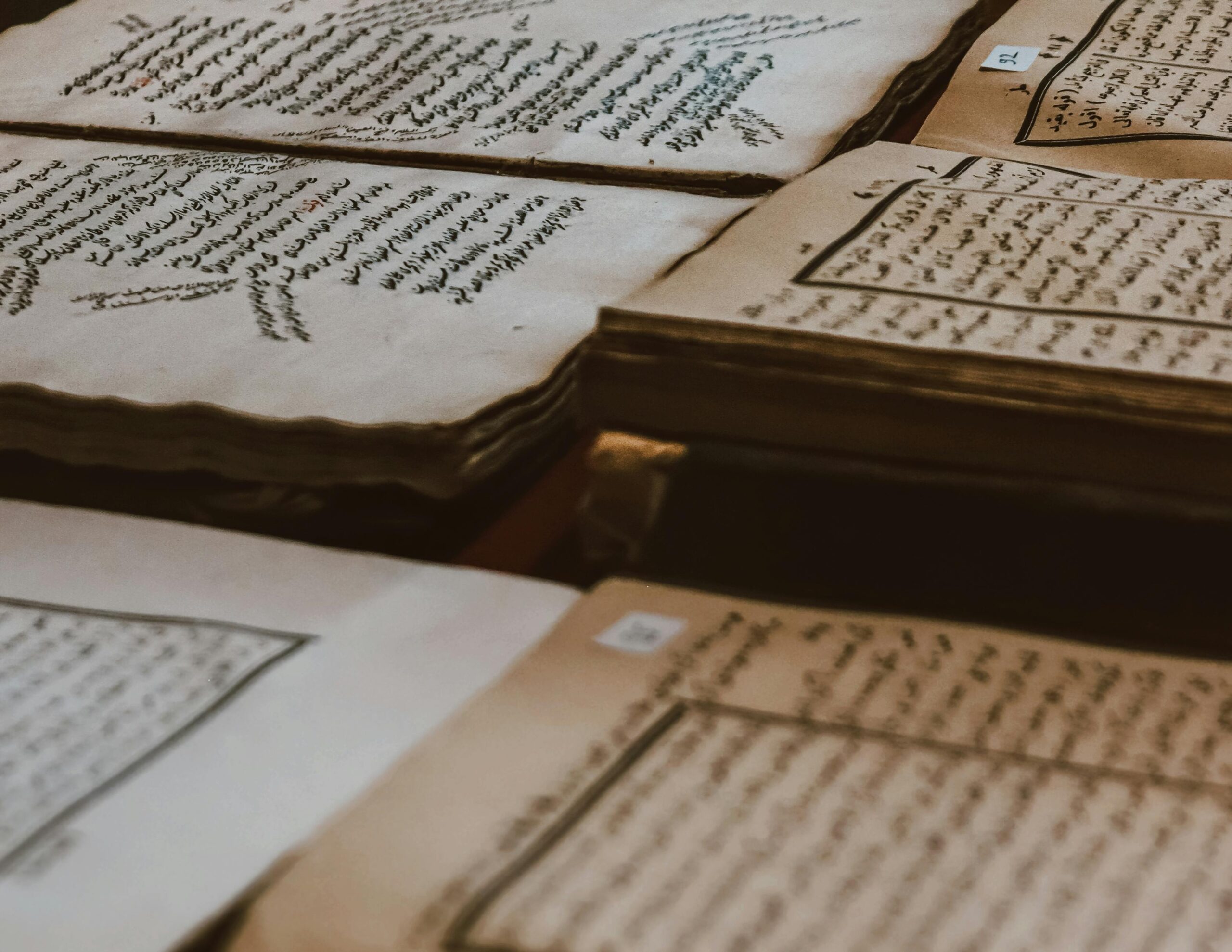
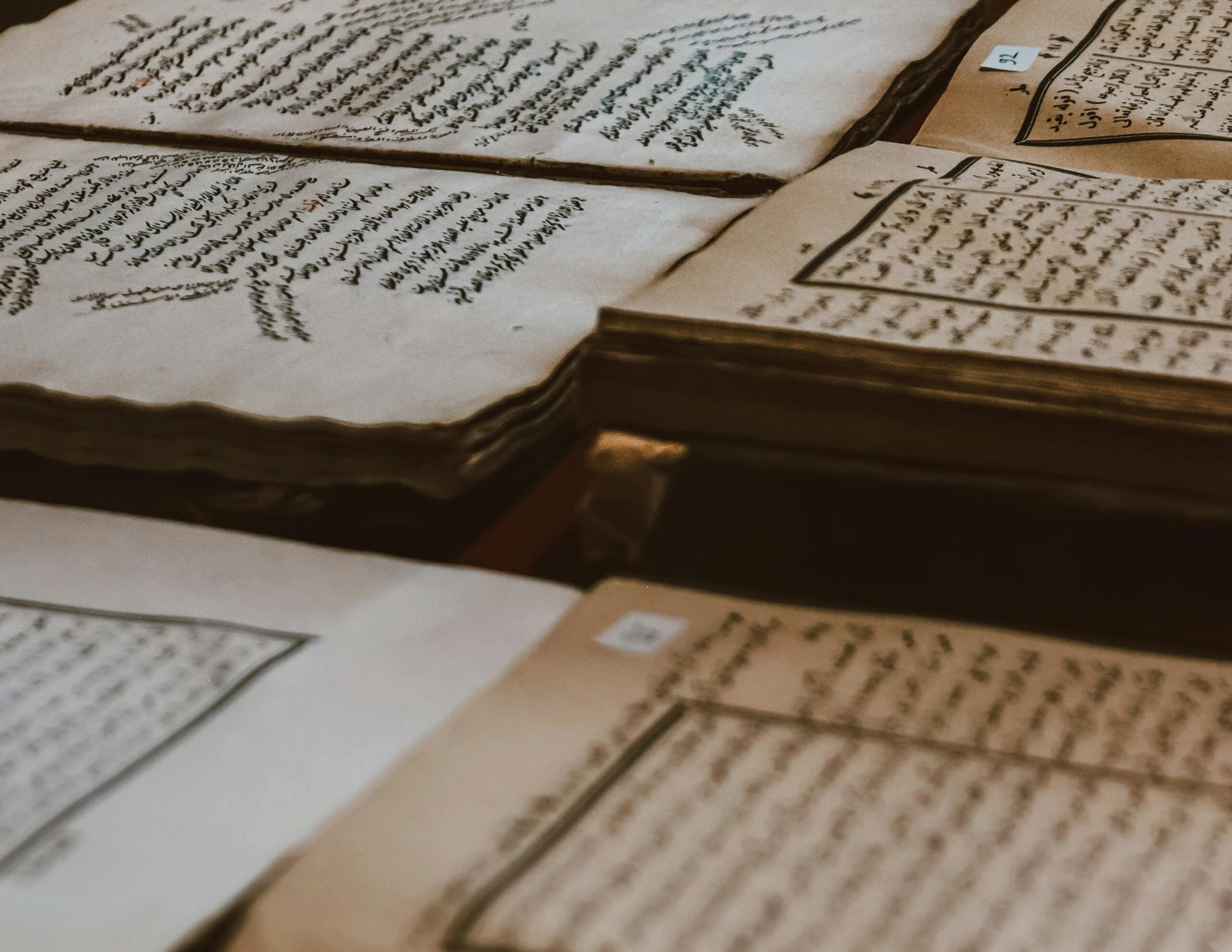
Literature—including poetry, oral storytelling, and written narratives—preserves linguistic heritage and the thought patterns embedded within languages. Epic poems like the Iliad, Mahabharata, and Sundiata were originally oral traditions that encoded historical events, moral teachings, and cultural values in memorable forms that could survive transmission across generations.
Language itself carries cultural information in its structure, vocabulary, and expressions. When minority languages face extinction, literary arts become crucial preservation tools. Authors writing in endangered languages create contemporary works that demonstrate these languages remain viable for expressing modern experiences, not just archaic traditions.
Folk tales and mythology preserve cultural wisdom in narrative packages that teach while entertaining. These stories contain accumulated knowledge about human psychology, social dynamics, and ethical frameworks developed over centuries. By retelling and reimagining these tales, writers keep cultural wisdom alive and adaptable to changing contexts.
🎭 Performing Arts: Living Heritage in Motion
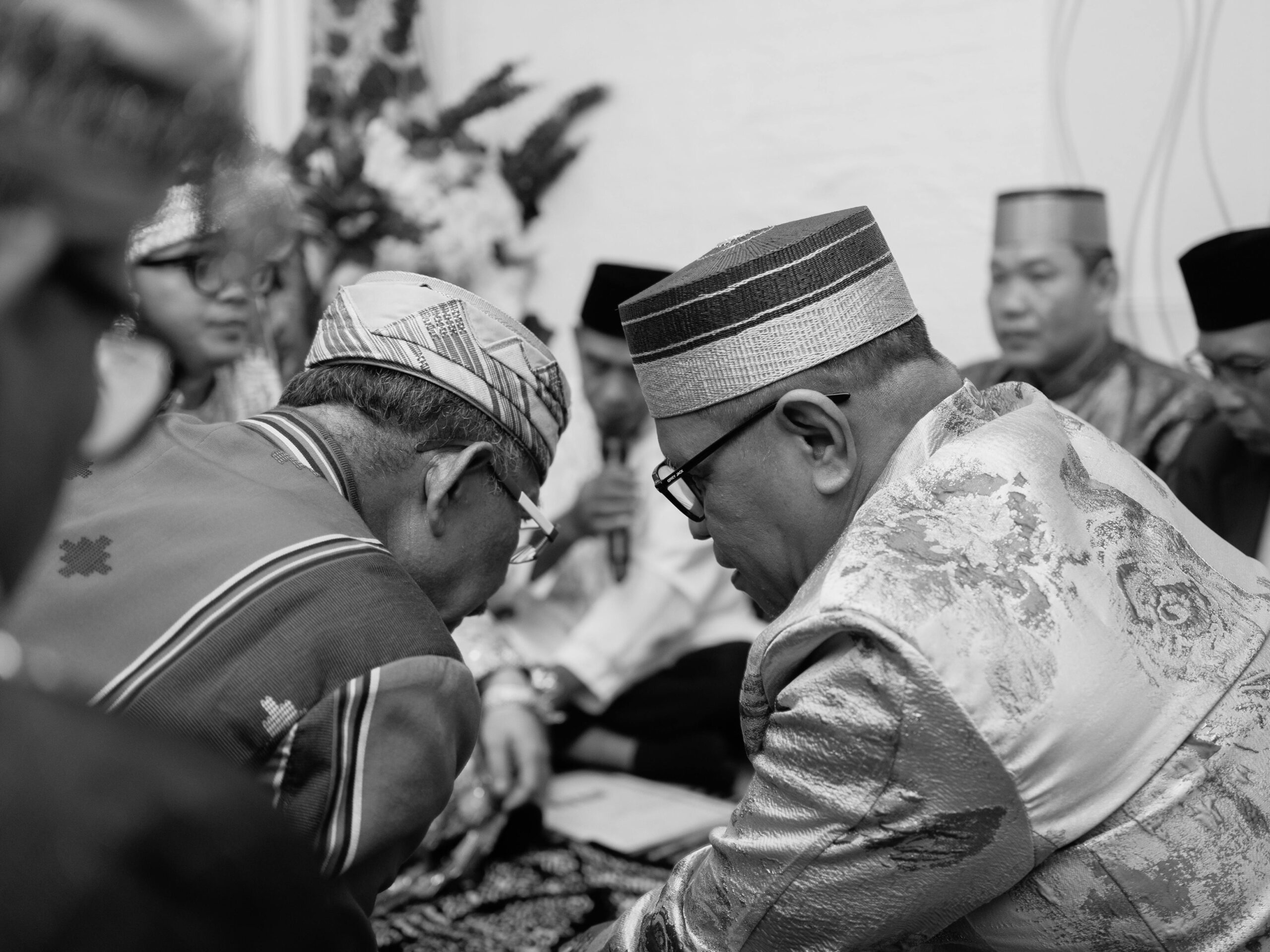
Dance, theater, and music represent perhaps the most dynamic forms of cultural preservation because they exist primarily in performance rather than as static objects. Traditional dances encode everything from courtship rituals to agricultural practices, creating embodied archives of cultural knowledge that practitioners carry within their bodies.
Japanese Noh theater, Indian Kathakali, and Balinese Legong dance are highly codified performance traditions that have maintained their essential character across centuries. The rigorous training systems required to master these art forms ensure that specific movement vocabularies, musical modes, and performance conventions continue unbroken from master to student.
Music preservation operates on multiple levels simultaneously. Melodies carry emotional and aesthetic preferences; rhythms reflect cultural concepts of time; scales and modes embody mathematical and philosophical principles; and lyrics preserve linguistic features and poetic traditions. When traditional musicians perform, they’re activating entire cultural ecosystems.
Festivals and Ceremonial Arts
Many performing arts exist within festival contexts that bring communities together in collective cultural expression. Brazilian Carnival, Indian Durga Puja, and Mexican Día de los Muertos celebrations combine multiple art forms—costume design, music, dance, visual arts—into immersive cultural experiences that reinforce community identity and transmit traditions to younger generations through participation rather than passive observation.
✋ Craft and Material Culture: Tangible Links to Ancestral Knowledge
Traditional crafts represent accumulated technical knowledge refined over generations. Pottery techniques, textile weaving, metalworking, and woodcarving each embody problem-solving approaches and aesthetic philosophies specific to their cultural contexts. When these crafts disappear, we lose not just objects but entire knowledge systems.
Japanese pottery traditions illustrate this principle beautifully. Different regions developed distinctive styles—Bizen, Raku, Hagi—each reflecting local clay characteristics, fuel sources, and aesthetic preferences. These aren’t merely techniques for making containers; they’re philosophical approaches to materials, imperfection, and the relationship between maker and object.
Indigenous basket weaving traditions encode botanical knowledge, geometric principles, and functional design sophistication developed over millennia. The patterns often carry symbolic meanings, while the materials selection requires deep understanding of local ecosystems and seasonal cycles.
🏛️ Architecture: Cultural Values Built in Stone and Space
Architectural traditions preserve cultural knowledge about climate adaptation, social organization, spiritual beliefs, and aesthetic preferences. Traditional building methods often represent sophisticated responses to local environmental conditions developed through generations of observation and experimentation.
The layout of traditional Chinese courtyard houses reflects Confucian family hierarchies and feng shui principles. Islamic architecture’s geometric patterns embody mathematical concepts and theological ideas about infinity and divine order. These aren’t arbitrary design choices—they’re spatial expressions of cultural worldviews.
When communities abandon traditional architectural forms for generic modern buildings, they lose tangible connections to ancestral knowledge and the sense of place that distinctive architecture provides. Conversely, contemporary architects who reinterpret traditional forms help keep cultural design principles alive while adapting them to current needs.
🌐 Digital Age: New Challenges and Opportunities for Cultural Preservation
Technology has dramatically expanded possibilities for documenting and sharing cultural heritage. Digital archives can preserve vast quantities of artistic works, making them accessible to global audiences. Virtual reality experiences can recreate historical sites and traditional performances for educational purposes.
However, digitization also presents challenges. The ephemeral nature of digital formats and rapid technological obsolescence threaten long-term preservation. Additionally, removing cultural expressions from their original contexts and communities raises questions about authenticity and cultural appropriation.
Social media platforms enable artists from marginalized communities to share their work globally without institutional gatekeepers, potentially revitalizing traditions by connecting them with new audiences and markets. Young people rediscover heritage arts through digital platforms, sometimes sparking renewed interest in learning traditional practices.
Contemporary Artists as Cultural Bridges
Modern artists who engage with traditional forms often serve as translators, making heritage accessible to contemporary audiences while keeping it relevant. They demonstrate that cultural traditions aren’t static relics but living practices capable of evolution while maintaining their essential character.
💡 Why Cultural Preservation Through Art Matters Today
In our interconnected world, cultural diversity functions like biodiversity—it represents accumulated adaptive strategies that might prove valuable under changing conditions. Different cultures have developed varied approaches to social organization, environmental management, conflict resolution, and meaning-making. Preserving this diversity through artistic expression maintains human civilization’s adaptive capacity.
Cultural heritage provides communities with identity anchors in rapidly changing times. When people understand and value their cultural roots, they develop stronger senses of belonging and purpose. Art makes this heritage tangible and emotionally resonant in ways that abstract historical facts cannot.
For individuals in diaspora communities, traditional arts offer connections to ancestral homelands and ways of maintaining cultural identity across geographical distances. Second and third-generation immigrants often rediscover heritage through artistic practices, finding contemporary relevance in traditional forms.
🔍 The Economics of Cultural Preservation Through Art
Heritage arts also have economic dimensions. Cultural tourism generates significant revenue in many regions, with visitors seeking authentic experiences of local traditions. This economic value can incentivize communities to maintain traditional practices while providing livelihoods for artists and craftspeople.
However, commercialization presents risks. When traditional arts become primarily tourist commodities, they may lose depth and authenticity, simplified to meet market expectations. Balancing economic sustainability with cultural integrity remains an ongoing challenge for heritage practitioners.
UNESCO’s Intangible Cultural Heritage lists and similar recognition programs have raised awareness about endangered traditions while providing frameworks for preservation efforts. These initiatives acknowledge that cultural expressions have value beyond economic measurements.
🎓 Education and Transmission: Ensuring Continuity
Effective cultural preservation requires robust transmission mechanisms. Traditional apprenticeship systems, where knowledge passes directly from master to student through extended immersive learning, have proven remarkably effective at maintaining complex artistic traditions across centuries.
Modern educational institutions play increasingly important roles in heritage preservation, documenting techniques, teaching traditional arts, and conducting research that deepens understanding of cultural practices. However, institutional approaches can sometimes strip away contextual elements that give traditional arts their full meaning.
Community-based learning initiatives that keep heritage arts embedded in their cultural contexts often produce more authentic results than isolated academic programs. When elders teach traditional practices within communities, they transmit not just techniques but worldviews and values integral to those practices.
🌍 Navigating Cultural Exchange and Appropriation
Globalization creates opportunities for cross-cultural artistic dialogue that can enrich all participants. Artists incorporating elements from multiple traditions can create innovative works that speak to contemporary multicultural realities. However, this exchange must be approached thoughtfully to avoid exploitative appropriation that harms source communities.
Respectful cultural exchange involves collaboration, proper attribution, understanding context, and ensuring that source communities benefit from sharing their heritage. When artists engage deeply with traditions they’re drawing upon, learning histories and meanings rather than superficially borrowing aesthetics, they honor rather than exploit cultural heritage.
Looking Forward: Art’s Continuing Role as Heritage Guardian
As we face unprecedented environmental, social, and technological changes, art’s role in preserving cultural heritage becomes increasingly critical. Traditional knowledge systems encoded in artistic practices may offer insights relevant to contemporary challenges, from sustainable living to community cohesion.
The most effective preservation approaches recognize that cultures are living entities that must evolve to remain relevant. Art facilitates this evolution by allowing traditions to adapt while maintaining core identities. Contemporary artists working with heritage forms aren’t betraying traditions—they’re ensuring traditions survive by demonstrating their continued vitality.
Supporting cultural preservation through art requires multiple strategies: funding for traditional artists and craftspeople, educational programs that teach heritage practices, legal protections against exploitation, documentation initiatives, and platforms for sharing cultural expressions with broader audiences.
Ultimately, every society benefits from robust cultural heritage preservation. The artistic expressions that carry cultural knowledge forward through time don’t just serve specific communities—they enrich humanity’s collective cultural wealth. By valuing and supporting artists as heritage keepers, we invest in preserving the remarkable diversity of human creativity and wisdom for future generations.
The relationship between art and cultural preservation is reciprocal and dynamic. Art needs culture to provide depth, meaning, and context, while culture needs art to make it tangible, transmissible, and emotionally resonant. Together, they form an inseparable partnership that has sustained human societies throughout history and will continue doing so as long as communities value their unique identities and stories. In creativity, we find not just expression but preservation—not just innovation but continuity—making art perhaps our most powerful tool for ensuring that the rich tapestry of human culture endures across the generations yet to come.